
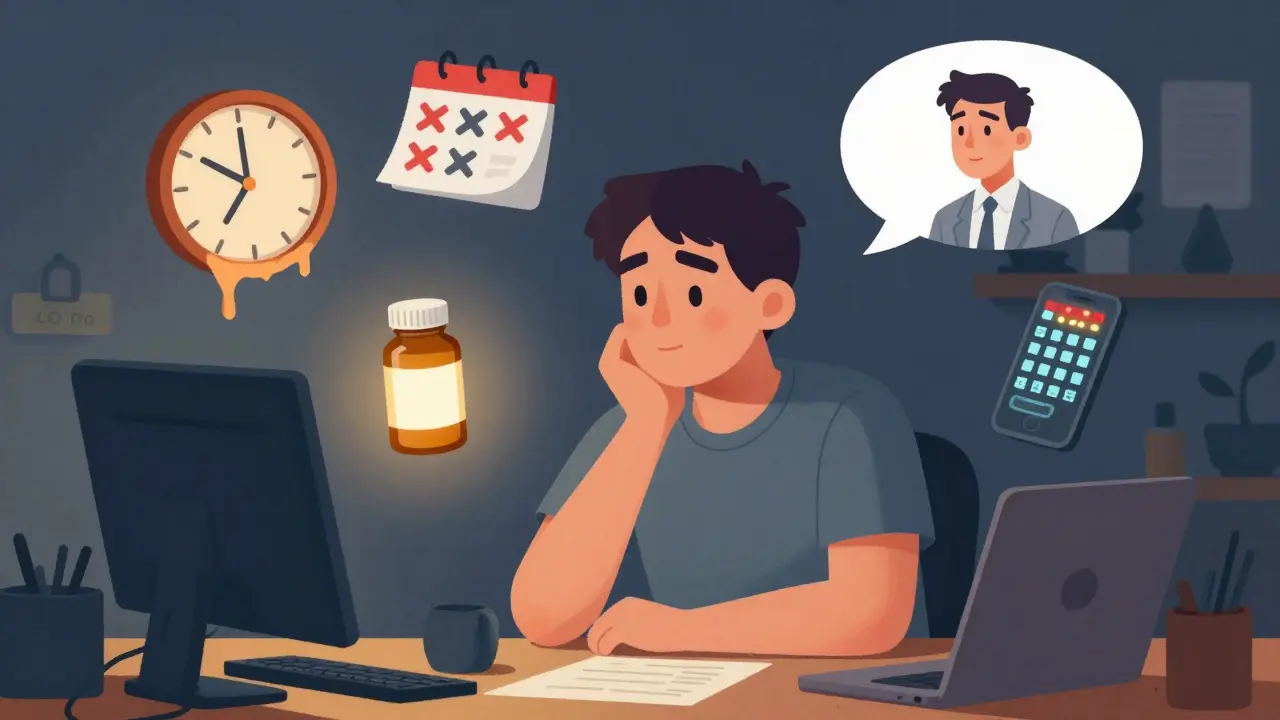
Many adults with ADHD live with a constant sense of being overwhelmed. Bills pile up. Meetings are missed. Simple tasks like paying rent or remembering a doctor’s appointment feel impossible. It’s not laziness. It’s not poor discipline. It’s a neurological difference that affects how the brain manages attention, time, and impulses. And the good news? There are real, evidence-backed ways to take control - not just one, but a combination of organization, coaching, and medication safety.
Why ADHD Doesn’t Just Go Away in Adulthood
ADHD isn’t a childhood phase you outgrow. About 4.4% of adults in the U.S. - roughly 8.7 million people - still meet diagnostic criteria. That number is rising. More adults are being diagnosed now than ever before, partly because awareness has grown, and partly because the condition simply doesn’t vanish. The brain’s executive functions - planning, prioritizing, starting tasks, regulating emotions - are underdeveloped in ADHD. That’s why adults with ADHD often struggle with time management, forgetfulness, disorganization, and impulsivity, even if they’re highly intelligent or creative.
Left untreated, these challenges lead to bigger problems: job instability, strained relationships, chronic stress, and even higher risks for accidents or substance use. But when managed well, adults with ADHD can thrive. Studies show properly treated individuals experience 30-50% reductions in symptom severity. That’s not a small change. That’s life-changing.
Medication: The Foundation - But Not the Whole Story
Medication is often the first step. It’s not a magic pill, but it can be the key that unlocks other strategies. Two main types are used: stimulants and non-stimulants.
Stimulants - like methylphenidate (Ritalin, Concerta) and amphetamines (Adderall, Vyvanse) - work by boosting dopamine and norepinephrine in the brain. They’re fast-acting. Most people feel the effects within 30-60 minutes. About 70-80% of adults respond well. Vyvanse, a prodrug that releases slowly, is one of the most prescribed because it lasts 10-14 hours and has lower abuse potential than older stimulants.
Non-stimulants - like atomoxetine (Strattera) and guanfacine - take longer. It can take weeks before you notice changes. But they’re helpful for people who can’t tolerate stimulants or have heart concerns. They don’t carry the same risk of dependence.
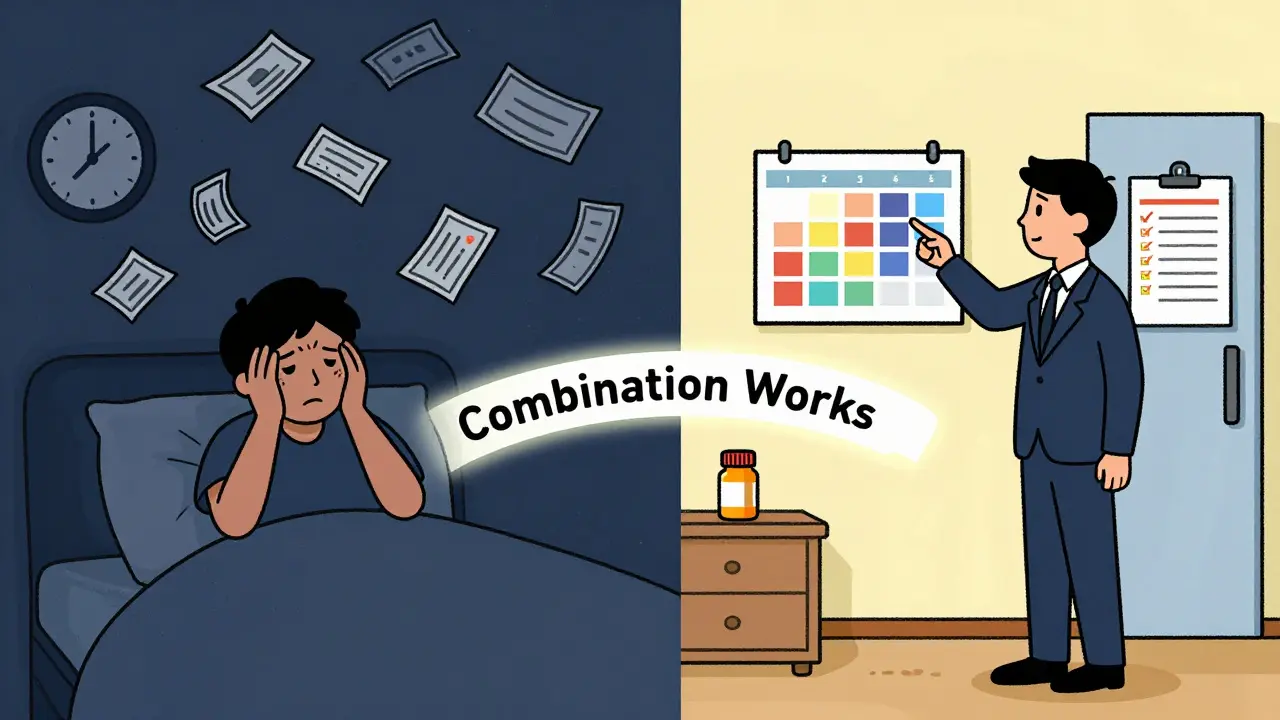
But here’s what most people don’t realize: medication alone isn’t enough. A 2023 survey by the ADHD Coaches Organization found that 81% of adults who used both medication and coaching saw major improvements in time management. Only 58% did with medication alone.
Medication Safety: What You Need to Know
ADHD meds are generally safe - but not risk-free. The biggest concern is cardiovascular health. Stimulants can raise heart rate and blood pressure. A 2023 JAMA Psychiatry study found each year of stimulant use slightly increased the risk of cardiovascular disease. That doesn’t mean you shouldn’t take them. It means you need to monitor.
Guidelines from the American Heart Association and the American Psychiatric Association are clear: adults over 40 should have a baseline ECG and blood pressure check before starting medication. After that, annual monitoring is recommended. Some clinics do this every visit. Others? Not so much. A 2022 JAMA Internal Medicine study found primary care doctors often only check blood pressure twice a year - not nearly enough.
One Reddit user shared: “My PCP didn’t check my BP for two years on Vyvanse. I ended up with undiagnosed hypertension.” That’s the kind of gap that can be dangerous. Always ask: “Are you tracking my heart rate and blood pressure?” If you’re over 50 or have a family history of heart issues, push for more frequent checks.
Also, avoid mixing ADHD meds with MAO inhibitors (some antidepressants) - it’s dangerous. SSRIs? Usually fine. Always tell your prescriber everything you’re taking.
Organization: The Practical Lifeline
Medication helps your brain focus. But if you don’t have systems in place, you’ll still drown in chaos. That’s where organization comes in - not as a rigid schedule, but as a set of tools tailored to how your brain actually works.
People with ADHD don’t respond well to “just get organized.” They need structure that works with their brain, not against it. Here’s what actually helps:
- Externalize memory: Use digital calendars with alerts (Google Calendar, Outlook). Put every single task, appointment, and deadline in there - even “call mom.”
- Break tasks into micro-steps: Instead of “clean the house,” try “put one dish in the sink.” Small wins build momentum.
- Use the two-minute rule: If something takes less than two minutes, do it now. Reply to that email. Put your keys on the hook.
- Set visual cues: Leave your wallet by the door. Put your gym clothes on your bed. Your environment should remind you, not your willpower.
One woman in Perth, diagnosed at 38, told me: “I went from missing 3 out of 5 appointments to 100% attendance after I started using color-coded phone alerts. It sounds silly, but it worked.”
Coaching: The Missing Piece
Coaching isn’t therapy. It’s not about digging into your past. It’s about building skills for the present. An ADHD coach helps you design systems, troubleshoot what’s not working, and hold you accountable - without judgment.
Most coaches use proven frameworks like the Eisenhower Matrix (urgent vs. important tasks) or time-blocking. They help you find the right tools - whether it’s a physical planner, a digital app like Notion, or even a simple checklist taped to your fridge.
According to the ADHD Coaching Organization’s 2023 survey, 81% of clients who combined coaching with medication reported “significant improvement” in daily functioning. Only 42% of those on medication alone felt the same.
Coaching also helps with emotional regulation. Many adults with ADHD carry years of shame. “I’m lazy.” “I’m broken.” “I’ll never get it right.” A good coach doesn’t fix you. They help you understand your brain and work with it.
Resources like CHADD (Children and Adults with Attention-Deficit/Hyperactivity Disorder) offer free workshops and local support groups. You don’t need to spend hundreds on a coach to start - many online communities offer free templates, checklists, and peer support.
What Doesn’t Work
Let’s cut through the noise.
- Willpower alone? No. ADHD isn’t a motivation problem. It’s a neurological one.
- Just meditate or do yoga? These help with stress, but they don’t fix executive dysfunction.
- Waiting until you’re “ready” to get organized? You won’t feel ready. Action creates clarity - not the other way around.
- Ignoring side effects? If your heart races, you can’t sleep, or you lose your appetite, talk to your doctor. Don’t suffer in silence.
The Bigger Picture: It’s Getting Better
The adult ADHD market is growing fast - from $14.3 billion in 2022 to an expected $24.7 billion by 2030. More companies are offering workplace accommodations. More doctors are trained to treat adults. The FDA now requires cardiovascular safety data for all new ADHD drugs. NIMH is funding a $15 million study tracking adults over 65 with ADHD to understand long-term effects.
And the data is clear: medication doesn’t just reduce symptoms. A 2024 Nature Mental Health study found that during periods of ADHD medication use, the risk of death from any cause dropped by 39%. The risk of serious injuries dropped by 25%. The benefits outweigh the risks - when managed wisely.
Where to Start Today
You don’t need to fix everything at once. Start here:
- Get evaluated: If you haven’t been diagnosed, see a psychiatrist or psychologist who specializes in adult ADHD. Don’t rely on online quizzes.
- Track your symptoms: Use the Adult ADHD Self-Report Scale (ASRS). It’s free online. Write down when you’re distracted, overwhelmed, or forgetful.
- Try one organizational tool: Pick one - a calendar alert, a to-do list app, or a notebook by your door. Stick with it for 2 weeks.
- Ask your doctor: “Do you monitor blood pressure and heart rate during treatment?” If they say no, ask for a referral to someone who does.
- Look into coaching: Search for ADHD coaches certified by the ADHD Coaches Organization. Many offer free 15-minute consultations.
You’re not broken. You’re wired differently. And with the right tools - medication that’s safe, systems that work with your brain, and support that doesn’t judge - you can build a life that feels manageable, even joyful.
Can ADHD medication be safe for older adults?
Yes - but with careful monitoring. A 2021 study published in adhdevidence.org found that low-dose ADHD medication is well tolerated in adults over 60 and doesn’t cause clinically significant cardiovascular changes. The key is baseline testing (ECG, blood pressure) and regular follow-ups. The FDA and American Psychiatric Association now recommend annual checks for all adults on stimulants, especially those over 50. Never stop or adjust your dose without medical supervision.
Is coaching worth it if I’m already on medication?
Absolutely. Medication helps you focus. Coaching helps you use that focus. A 2023 survey from the ADHD Coaches Organization showed that 81% of adults who used both medication and coaching reported major improvements in time management and daily functioning - compared to just 58% who used medication alone. Coaching helps you build systems, troubleshoot setbacks, and stay accountable. It’s not therapy - it’s practical strategy.
What are the most common side effects of ADHD meds?
The most common are insomnia (affects about 25% of users), decreased appetite (35%), headaches, and mild stomach upset. These usually fade within 2-4 weeks. More serious side effects - like increased heart rate, high blood pressure, or mood changes - need medical attention. If your resting heart rate jumps from 65 to 95 bpm, or you feel chest tightness, contact your doctor immediately. Don’t assume it’s just "adjusting."
Can I switch from stimulants to non-stimulants?
Yes - and it’s often recommended if you have heart concerns, anxiety, or a history of substance use. Non-stimulants like atomoxetine (Strattera) or guanfacine take longer to work - 4-8 weeks - but they don’t carry the same cardiovascular risks or abuse potential. They’re also not controlled substances. However, they’re generally less effective than stimulants. About 50-60% of users respond well, versus 70-80% with stimulants. Work with your doctor to find the right balance.
How do I know if my ADHD diagnosis is correct?
A proper diagnosis includes a detailed clinical interview, symptom history since childhood, and ruling out other conditions like anxiety, depression, or sleep apnea. Online tests aren’t enough. Look for a specialist - a psychiatrist or psychologist trained in adult ADHD. They’ll use tools like the Adult ADHD Self-Report Scale (ASRS) and may ask for input from family members. If you were diagnosed after age 25 with no childhood history, ask for more evidence. ADHD is neurodevelopmental - symptoms must have been present before age 12.




John Haberstroh
I’ve been on Vyvanse for 3 years. It’s not perfect, but it’s the first thing that let me finish a project without staring at a blank screen for 3 hours. Still, I wish doctors talked more about the long-term heart stuff. I didn’t know I needed annual ECGs until I read this.
James Lloyd
The 81% stat for coaching + medication is solid. I’ve seen it firsthand. One client went from getting fired for missed deadlines to leading a team after implementing time-blocking and externalized reminders. Medication gives you the bandwidth; coaching gives you the blueprint. Neither works alone for most adults with ADHD.
Agnes Miller
i just started strattera last month and honestly?? it’s weird. no rush, no buzz, just… quieter. like my brain stopped screaming. still forgetful but less panicked about it. also my doc didn’t mention bp checks. i’m gonna ask next visit. thanks for the heads up.
Haley DeWitt
This is the most helpful thing I’ve read all year. Thank you. I’ve been feeling so broken for so long. Just knowing I’m not lazy… that’s huge. 🙏
Logan Hawker
Let’s be real: the ADHD industrial complex is booming. Big Pharma + coaching gurus + productivity influencers are all cashing in. ‘Medication safety’? Sure. But what about the 40% who don’t respond? What about the ones who can’t afford $200/month co-pays? This reads like a marketing brochure dressed as medical advice.
Carrie Schluckbier
You know what’s really happening? The government is quietly using ADHD meds to control the population. Think about it - they push stimulants to make people ‘productive,’ then blame them for burnout when the system breaks. It’s behavioral conditioning. The ECGs? Just a distraction. They’re monitoring heart rhythms to map neural patterns. I’ve seen the leaked patents.
guy greenfeld
I’ve been thinking about this a lot lately. If ADHD is a neurological difference, then why do we pathologize it? Why not reframe it as a different cognitive architecture? The ‘fix’ culture is so toxic. Maybe we don’t need systems. Maybe we need to redesign society to accommodate neurodivergent time perception. What if the problem isn’t us… but the clock?
Adam Short
I’ve lived this. I got diagnosed at 42. My GP said, ‘Just try to be more organized.’ I almost quit. Then I found a coach. Now I run a small business. I don’t care what the stats say - if you’re not getting real support, you’re being left behind. This isn’t a U.S. problem. It’s a global one. We need systemic change.
Sam Pearlman
I’m a contrarian, so I’ll say it: maybe medication isn’t the answer. What if we just… stopped trying to ‘fix’ ADHD? Maybe the hyperfocus, the creativity, the chaos - that’s the gift. Maybe the real problem is our 9-to-5 grind. I’ve been off meds for 18 months. I’m more productive than ever. Who says you need a pill to be great?
Tony Shuman
I’ve been on Adderall since 2019. I’m not saying it’s perfect. But I’m alive. I’ve got a house. I’ve got a job. I’ve got a daughter who doesn’t think I’m a ghost. If you’re out here saying ‘just don’t take meds’ - you’ve never missed three rent payments because you forgot. You’ve never stared at a sink full of dishes and cried because your brain just… shut off. So shut up.
Liam Earney
I must say, the emphasis on medication safety is both commendable and, frankly, underwhelming. The systemic neglect of cardiovascular monitoring in primary care settings is not merely a lapse - it is a structural failure rooted in underfunded healthcare infrastructure and the commodification of mental health. I have personally witnessed a patient with a history of arrhythmia being prescribed Vyvanse without even a basic ECG - this is not negligence; it is institutional betrayal. One must ask: if the body is a machine, who is responsible for its maintenance?
Steph Carr
I’m a 39-year-old mom with ADHD who just started coaching. The coach had me write down one thing I did right every day. First week: ‘I remembered to feed the cat.’ Second week: ‘I didn’t yell at my kid for spilling cereal.’ Third week: ‘I paid a bill before the due date.’ I cried. Not because it’s hard. Because I finally realized - I’ve been surviving, not living. And now? I’m building. Slowly. Messily. Beautifully.
Linda Franchock
I’m 52 and started Adderall last year. My doctor said ‘check BP every 6 months.’ I asked if that’s enough. He shrugged. So I went to a cardiologist. Turns out my BP was creeping up. I switched to non-stimulants. Now I feel like me again - not a zombie, not a panic ball. If you’re on meds, don’t trust your PCP to be the expert. Find someone who actually knows ADHD. And yes - ask for the ECG. Don’t wait until you’re in the ER.
Brenda K. Wolfgram Moore
This. This right here. I’ve been saying this for years. You don’t need to be fixed. You need to be understood. And sometimes, that just means someone saying, ‘Yeah, it’s okay that you forgot again. Let’s figure out how to make it easier next time.’ I’ve had three coaches. Two were useless. One changed my life. It’s not about the tool. It’s about the person who helps you use it.