Running out of your blood pressure or diabetes meds shouldn’t be a surprise. Yet for millions of people, it happens-because they forget, get busy, or just don’t want to call the pharmacy again. Automated refills fix that. They’re not magic, but they’re one of the most effective tools we have for keeping people on their meds, especially when those meds are generic and taken daily for years.
How Automated Refills Actually Work
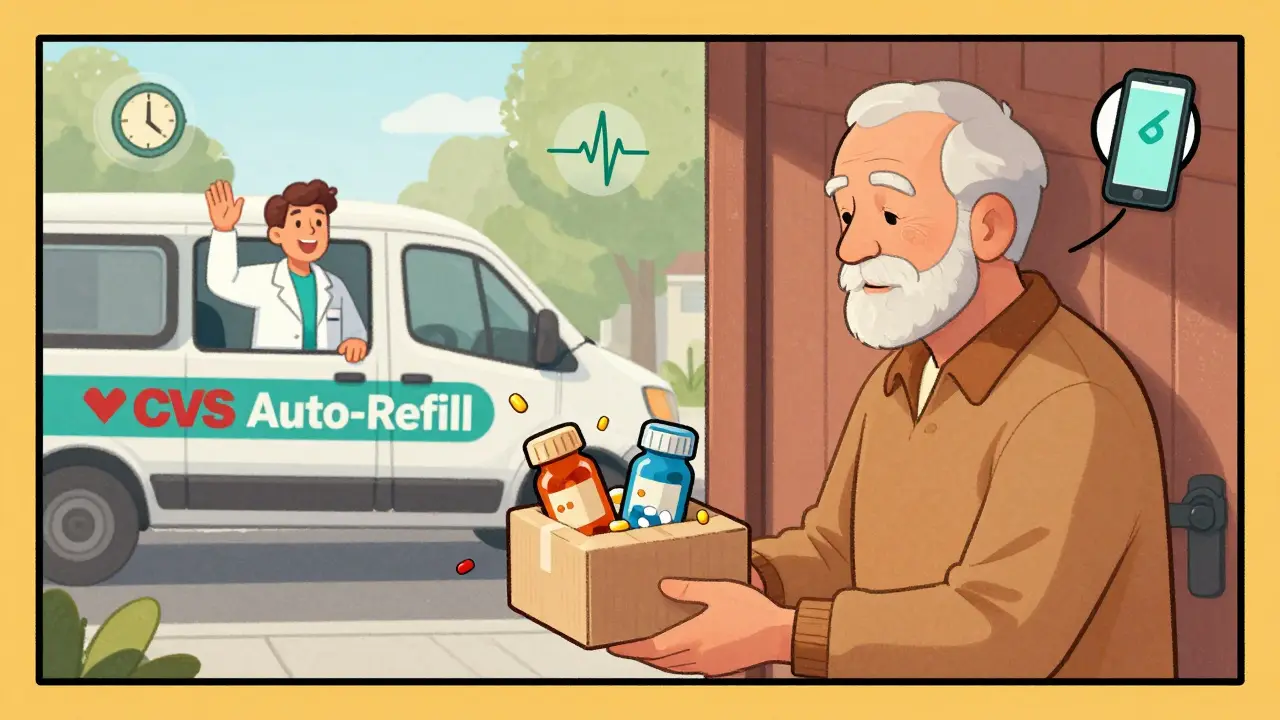
It’s simple: your pharmacy tracks when you’ll run out of medicine based on your prescription and refill history. Instead of waiting for you to call, they start the refill process automatically-usually 5 to 7 days before you’re empty. The system checks your dosage, confirms it hasn’t changed, and sends the order to the pharmacy’s fulfillment team. Then you get a text, email, or app notification saying your meds are ready for pickup or shipping.
This isn’t just for big chains. CVS, Walgreens, Amazon Pharmacy, and even local online pharmacies now offer it. The tech behind it ties into your electronic health record and pharmacy management system. If your doctor changes your dose, the system should flag it-but sometimes it doesn’t. That’s why you still need to check your pills when they arrive.
Why It Matters for Generic Medicines
Generic drugs are cheaper, yes-but they’re also the backbone of long-term treatment. If you’re on a statin, a blood thinner, or metformin, you’re likely taking it for life. And life gets busy. Kids, jobs, travel, forgetfulness-it all adds up. Studies show that about half of people with chronic conditions miss doses at some point. Automated refills cut that rate by nearly 7% for statins, nearly 4% for blood pressure meds, and almost 7% for diabetes drugs, according to a major 2016 Medicare study.
Generic meds are often the only affordable option. When you’re paying $5 a month instead of $50, you’re more likely to stick with it. Automated refills make that easier. No more hunting for the prescription bottle, no more calling during business hours, no more waiting for a doctor’s note to be faxed.
The Real Benefits: Less Stress, Fewer Trips
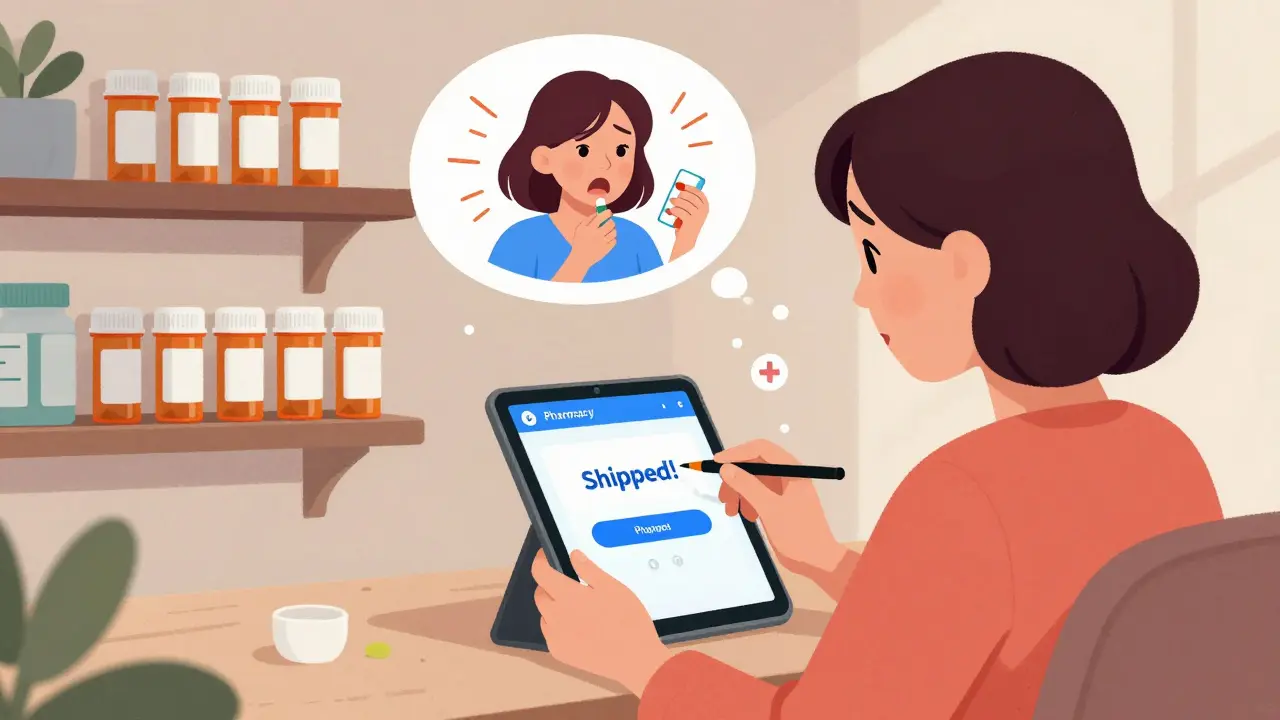
People who use automated refills report less anxiety about running out. One Reddit user with hypertension said, “I used to panic every third week when my pills ran low. Now I just open the app and see ‘Shipped’-no thought needed.”
For seniors or people with memory issues, this is huge. A 2024 survey found patients over 65 using automated refills maintained over 95% adherence rates. That’s not just convenience-it’s life-saving.
Pharmacies benefit too. Staff spend 37% less time fielding refill calls. That means more time for counseling, checking for drug interactions, or helping someone who actually needs help. It’s not about replacing human care-it’s about removing the friction so care can happen when it matters.
What Can Go Wrong
Automation isn’t perfect. The biggest risk? Dose changes. If your doctor increases your diltiazem from 240 mg to 360 mg, but the system doesn’t catch it, you’ll keep getting the old dose. There are documented cases of this happening. That’s why you must review your meds every time they arrive. Look at the label. Compare it to your prescription. If it doesn’t match, call the pharmacy immediately.
Another issue: enrollment without consent. Some patients don’t realize they’ve been signed up. A 2024 review of One Medical’s service found 31% of negative feedback came from people who got meds delivered and had no idea they’d enrolled. Always confirm your enrollment status in your pharmacy app or portal.
And then there’s the money angle. Some pharmacy benefit managers (PBMs) set refill triggers earlier than needed-like at day 60 of a 90-day supply-to generate more revenue. That’s not illegal, but it’s not always in your best interest. You might end up with extra pills you don’t need.
Amazon RxPass and Other New Models
Amazon Pharmacy’s RxPass, launched in January 2023, changed the game. For $5 a month, Prime members in 45 states get access to 60 common generic medications-no copay, no insurance needed. It’s not an automated refill system per se, but it works like one: you pick your meds, and they ship automatically every month. Since launch, JAMA Network Open reported a 18% jump in refill rates among users.
It’s not for everyone. If you’re on Medicare Part D or have good insurance, you might pay less through your regular pharmacy. But if you’re uninsured, underinsured, or just tired of juggling copays, RxPass is a real option.
How to Get Started
It takes less than 10 minutes. Log into your pharmacy’s website or app. Look for “Automatic Refills,” “Auto-Renew,” or “Prescription Management.” Select the meds you want to automate-usually chronic condition drugs. Confirm your contact info so they can reach you. You’ll need to give consent-this isn’t automatic.
If you’re not tech-savvy, ask a pharmacist in person. CVS and Walgreens offer in-store help during off-hours. Bring your pill bottles so they can match your prescriptions. Most chains now have visual guides to walk you through it.
Once enrolled, check your meds monthly. Verify the name, dose, and quantity. Set a quarterly reminder on your phone to review all your automated prescriptions with your doctor.
What’s Next for Automated Refills
The next wave is smarter. By 2026, two-thirds of pharmacy automation systems will use AI to adjust refill timing based on your actual usage. If you skip a few days, the system might delay your refill. If you refill early every time, it might nudge you to take your meds more consistently.
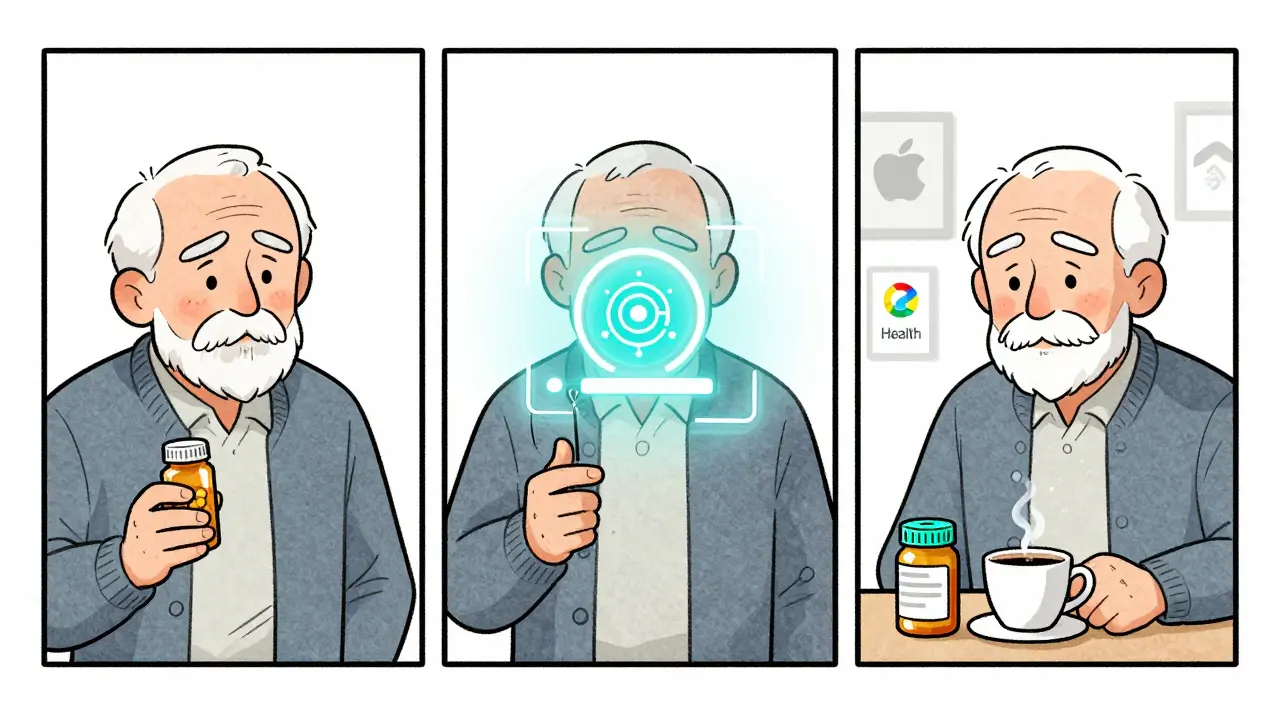
Integration with Apple Health and Google Fit is already here. CVS now syncs refill status with Apple Health, so your medication history shows up in your health dashboard. Future systems may connect with smart pill bottles that beep if you don’t open them, or telehealth apps that check in before a refill is sent.
But the biggest shift? It’s not tech. It’s trust. Patients want to know the system has their back-not just their data. That means clear communication, easy opt-outs, and real human support when things go wrong.
Final Thoughts: Is It Worth It?
For anyone on long-term generic meds, automated refills are a no-brainer. They reduce stress, cut down on missed doses, and save time. The data backs it up. The convenience is real. And the cost? Usually nothing extra.
Just don’t set it and forget it. Review your prescriptions. Confirm dosage changes. Know how to opt out if you need to. Use it as a tool-not a replacement for staying involved in your own care.
Medication adherence isn’t about willpower. It’s about design. Automated refills are one of the best-designed tools we have to help people stay healthy-without asking them to do more.