Renal Adjustment for Metformin and SGLT2 Inhibitors: What You Need to Know
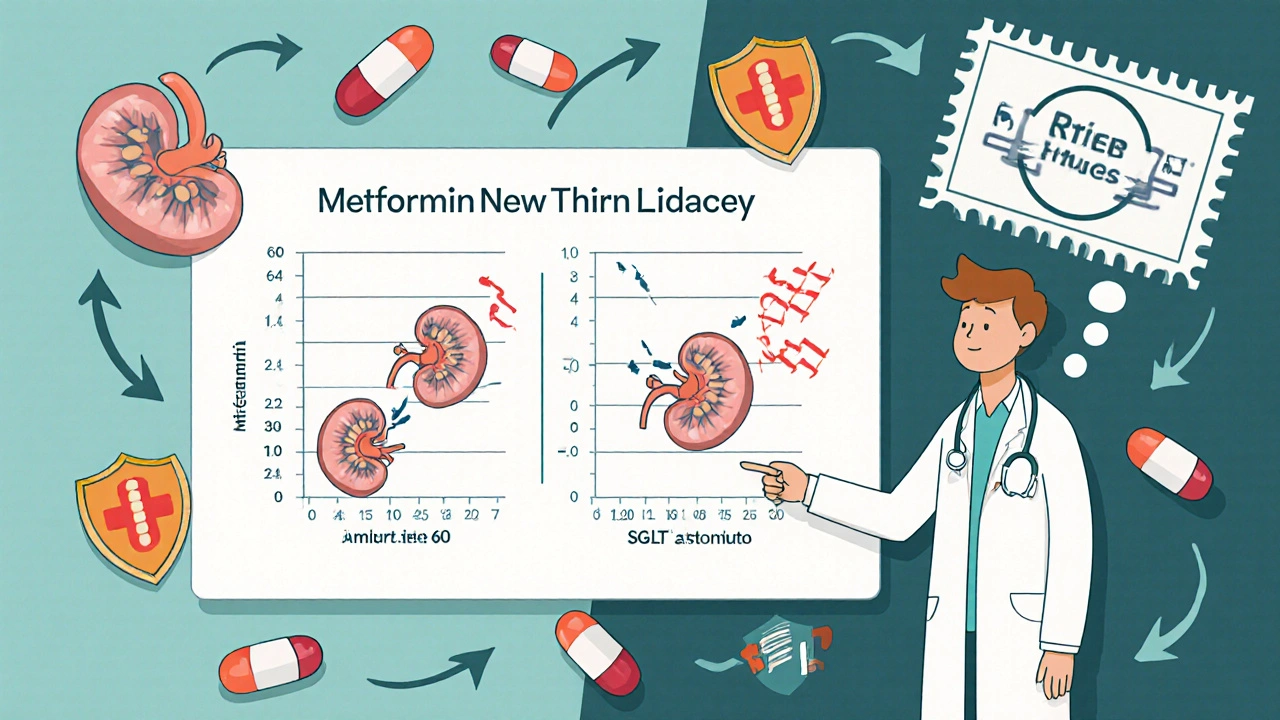
When your kidneys aren’t working well, metformin, a common type 2 diabetes drug that lowers blood sugar by reducing liver glucose production can become dangerous. That’s why doctors check your kidney function before prescribing it—and why they adjust the dose or stop it entirely if your kidneys decline. SGLT2 inhibitors, a newer class of diabetes drugs that make your kidneys flush out extra sugar through urine work differently, but they still need careful monitoring in people with kidney issues. These two drugs are often used together, but their safety depends on how well your kidneys filter waste. If your eGFR drops below 30, metformin is usually stopped. SGLT2 inhibitors like dapagliflozin or empagliflozin may still be used, but only if your eGFR stays above 20 or 25, depending on the specific drug.
It’s not just about the numbers. People with diabetes and kidney disease often take multiple medications—blood pressure pills, statins, diuretics—and some of those can make kidney function worse or interact with metformin and SGLT2 inhibitors. For example, NSAIDs like ibuprofen can reduce blood flow to the kidneys, making metformin buildup more likely. Dehydration from vomiting, diarrhea, or too much diuretic use can also spike your risk of lactic acidosis with metformin. That’s why kidney function, a measure of how well your kidneys filter blood, usually tested with eGFR and serum creatinine isn’t just a one-time check. It needs to be tracked every 3 to 6 months if you’re on these drugs, especially if you’re older, have heart failure, or already have mild kidney damage. Some patients see their eGFR drop slowly over years without realizing it—until they feel sick. That’s when it’s too late.
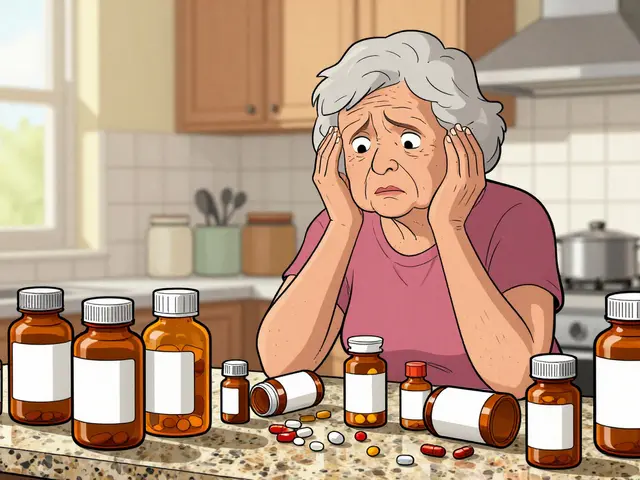
You don’t have to guess what your doctor is thinking. If you’re on metformin or an SGLT2 inhibitor, ask for your latest eGFR number and what it means for your dose. Bring a list of all your meds to every appointment—especially over-the-counter pain relievers or supplements. Some people stop their meds when they feel fine, but that’s risky. Even if you feel fine, your kidneys might be slipping. The good news? Many people with mild kidney issues can still safely take these drugs with the right dose and monitoring. The key is staying informed, not scared. Below, you’ll find real posts from people who’ve dealt with these issues—what went wrong, what worked, and what to watch for next time.