SGLT2 Inhibitors and Kidney Function: What You Need to Know
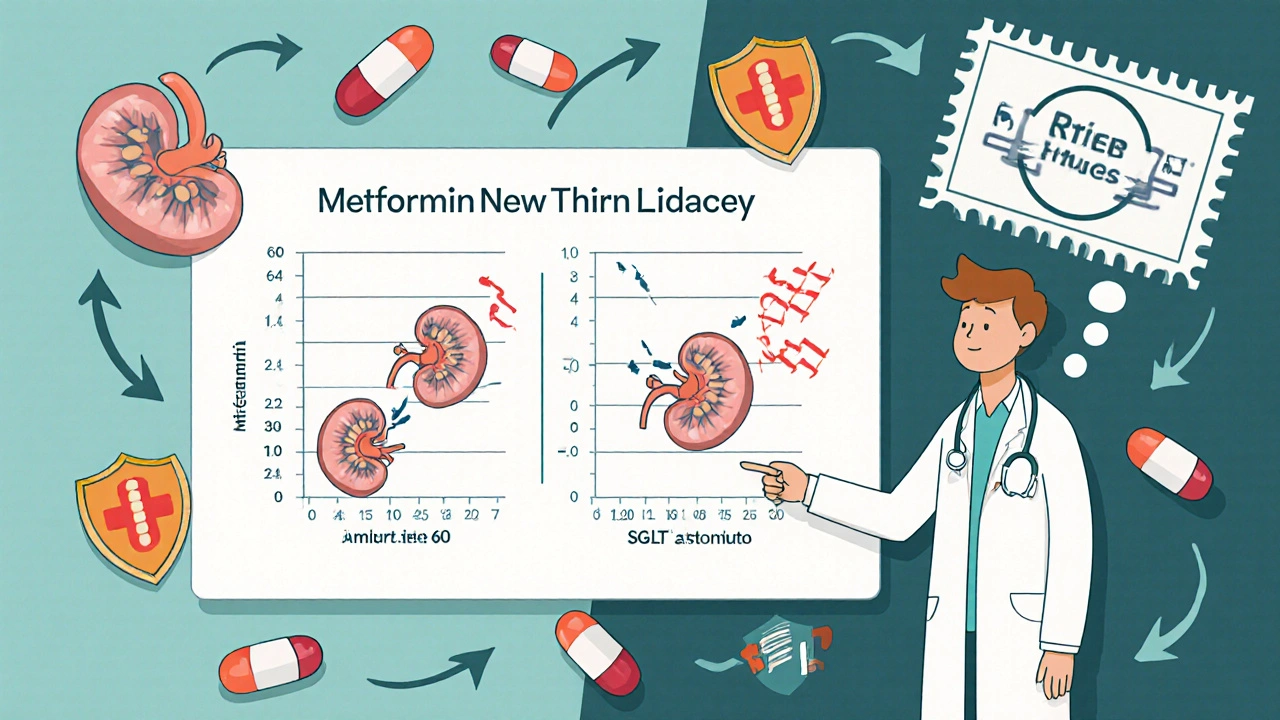
When you take an SGLT2 inhibitor, a class of diabetes medications that lower blood sugar by making the kidneys remove excess glucose through urine. Also known as gliflozins, these drugs don’t just control blood sugar—they’ve been shown in large studies to slow kidney damage in people with type 2 diabetes and chronic kidney disease. That’s not a side effect. It’s the point.
SGLT2 inhibitors like empagliflozin, a drug proven to reduce the risk of kidney failure and hospitalization for heart failure in high-risk patients, work by blocking a protein in the kidneys called sodium-glucose cotransporter 2. Normally, this protein reabsorbs sugar back into the blood. When it’s blocked, sugar leaves the body through urine. That lowers blood sugar. But it also reduces pressure inside the kidney’s filtering units, which is why these drugs protect kidney function over time. This isn’t theoretical. In the EMPA-REG OUTCOME trial, patients on empagliflozin had a 39% lower risk of kidney disease progression compared to those on placebo.
The same mechanism helps explain why these drugs also reduce heart failure hospitalizations. When the kidneys filter less aggressively, fluid builds up less in the lungs and legs. That’s why doctors now prescribe SGLT2 inhibitors not just for diabetes, but for heart and kidney protection—even in patients without diabetes. Other drugs in this class, like dapagliflozin, shown to delay kidney decline in people with chronic kidney disease regardless of diabetes status, have similar results in trials like DAPA-CKD. These aren’t niche treatments anymore. They’re standard care for many with kidney risk.
Not every person with diabetes needs one, and they’re not magic. They can cause dehydration, yeast infections, or rare but serious conditions like Fournier’s gangrene. But if you have diabetes and early signs of kidney stress—like protein in your urine or a declining eGFR—this class of drugs might be one of the most important tools you’re not using. The evidence is clear: these medications don’t just manage sugar. They change the course of kidney disease.
Below, you’ll find real-world insights on how these drugs interact with other medications, what labs to track, how they affect older adults, and what to watch for when switching treatments. This isn’t theory. These are the stories and data that matter when your kidneys are on the line.