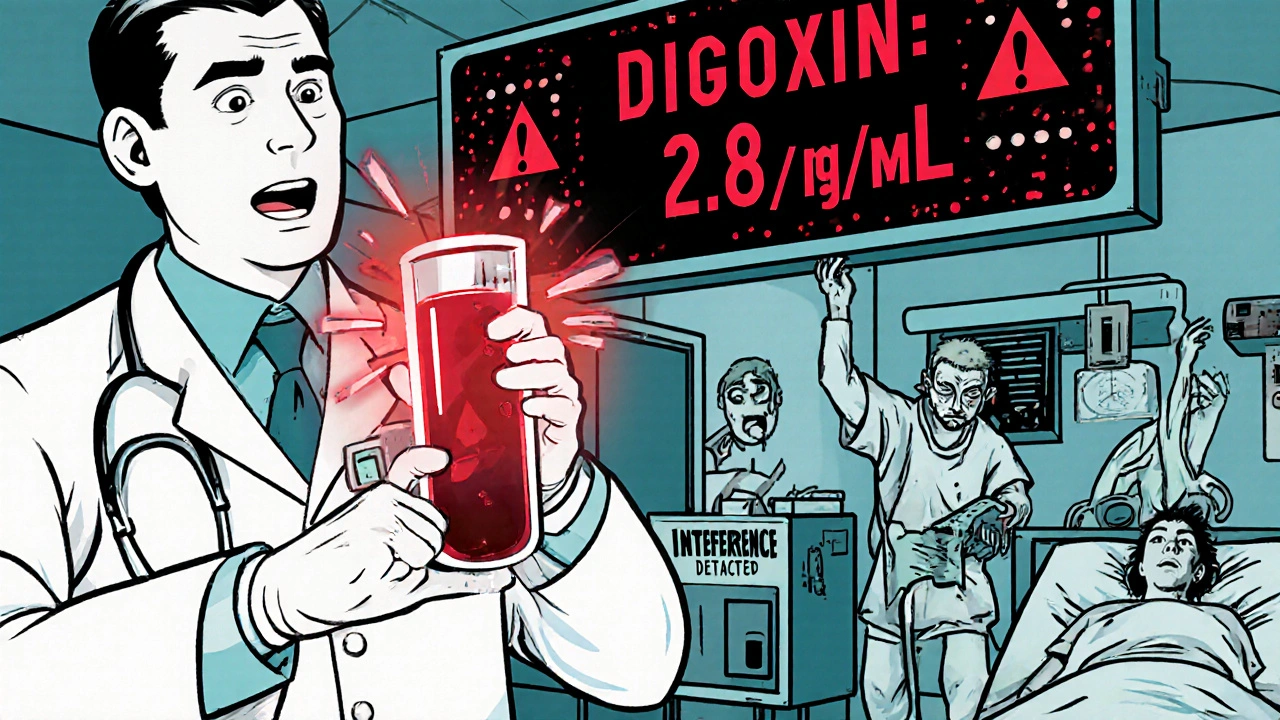
Therapeutic Drug Monitoring: How Doctors Track Medication Levels for Safer Treatment
When you take a medication, your body doesn’t always handle it the same way as someone else. That’s where therapeutic drug monitoring, the process of measuring drug concentrations in the blood to ensure they’re in the safe and effective range. Also known as TDM, it’s not just for complex cases—it’s a quiet backbone of treatment for heart drugs, antidepressants, epilepsy meds, and more. Without it, you could be getting too little to help—or too much and risking serious harm.
Think of it like tuning a radio. Too weak, and you miss the signal. Too loud, and it distorts. Drugs like warfarin, a blood thinner where even small dose changes can cause bleeding or clots need this kind of precision. Same with lithium, used for bipolar disorder, where levels just above the target can cause tremors, confusion, or kidney damage. Even antibiotics like vancomycin or antiseizure drugs like phenytoin rely on blood tests to stay in the zone. It’s not guesswork—it’s science built on decades of data showing what concentrations actually work in real people.
Why isn’t this done for every pill? Because most drugs have wide safety margins. But for the ones that don’t—where the difference between healing and harming is narrow—TDM is non-negotiable. It’s especially critical for older adults, people with kidney or liver issues, or those taking multiple meds that interact. You’ll see this in posts about drug interactions, like how rifampin lowers anticoagulant levels, or how sedating meds increase fall risk in seniors. These aren’t random side effects—they’re often signs that drug levels are out of balance.
What you’ll find here isn’t theory. It’s real-world examples: parents worrying about switching kids’ meds, seniors managing Medicare reviews, patients on statins with unexplained muscle pain, or people on antidepressants suddenly feeling anxious. All of these can tie back to how drugs behave in the body—and whether those levels were ever checked. This collection gives you the context to ask the right questions, spot red flags, and understand why your doctor might order a blood test even when you feel fine.