
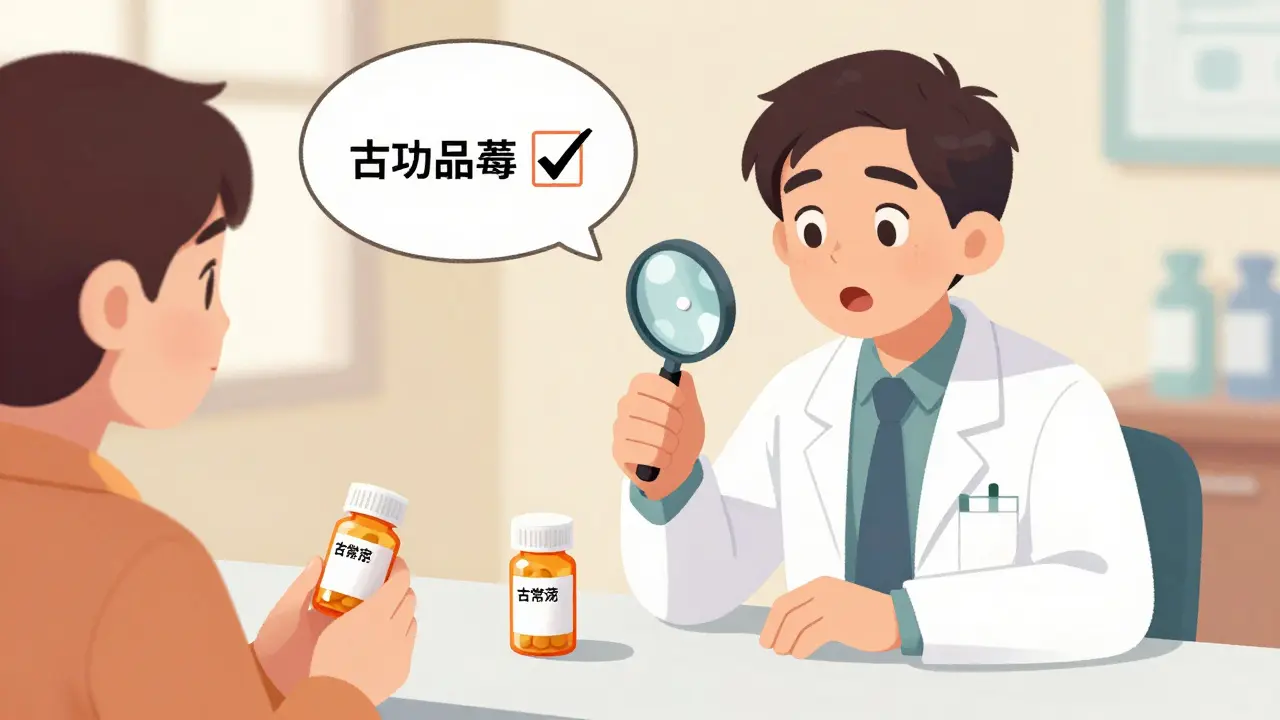
When you switch from a brand-name drug to a generic, you expect the same results - same relief, same side effects, same effectiveness. But what if the generic you get doesn’t match the brand exactly? That’s where authorized generics come in. They’re not just cheaper - they’re the exact same pill, just without the brand name on the label.
What Exactly Is an Authorized Generic?
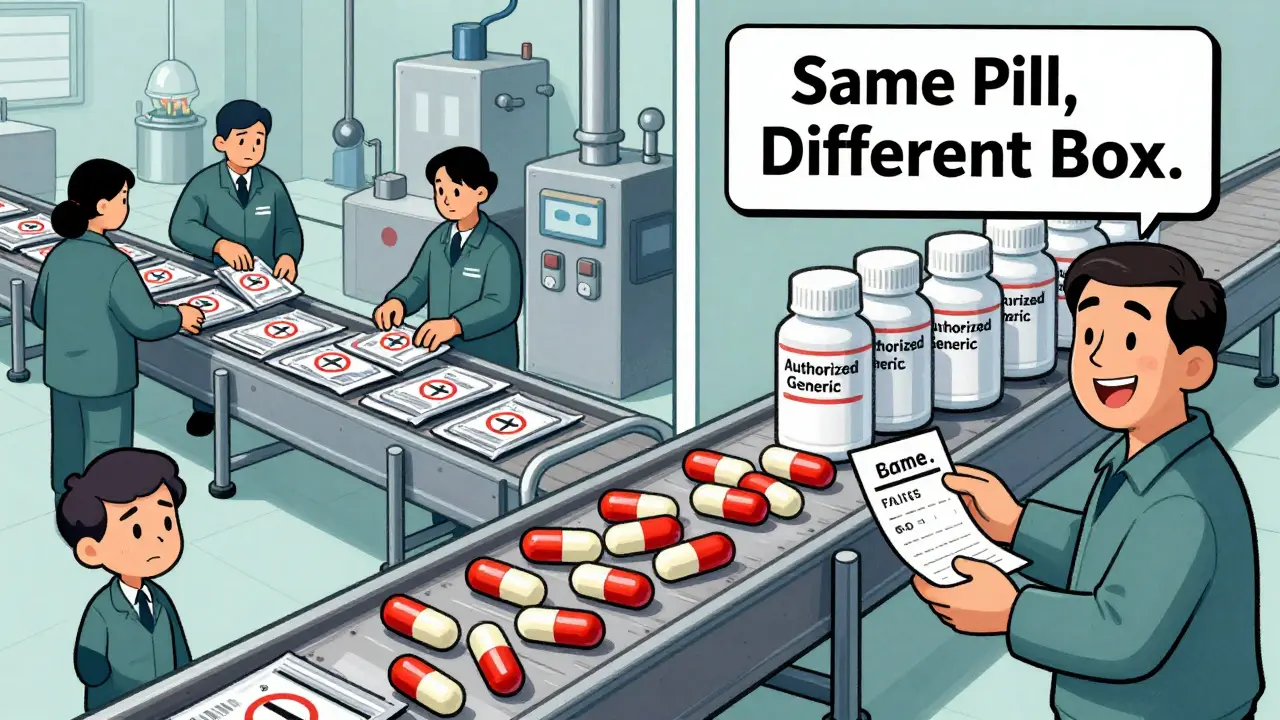
An authorized generic is made by the same company that makes the brand-name drug. It uses the same active ingredients, the same inactive ingredients, the same shape, the same release mechanism - everything. The only difference? It’s sold under a different label, often with a different color or marking, and at a generic price.
Think of it like this: your favorite coffee shop makes a latte. Then they open a second counter right next door, selling the exact same latte, same beans, same milk, same barista - but it’s labeled "House Blend" and costs $1 less. That’s an authorized generic. It’s not a knockoff. It’s the real thing, repackaged.
The FDA recognizes these as therapeutically identical to the brand. Unlike traditional generics, which only need to prove they deliver the same amount of active drug into your bloodstream (bioequivalence), authorized generics don’t even need to go through that test. They’re already the same product - just sold under a different name.
Why Do They Exist?
Authorized generics weren’t created to help patients - at least not at first. They emerged as a business move by brand-name drugmakers after the 1984 Hatch-Waxman Act gave the first generic company 180 days of exclusive rights to sell a generic version of a drug. That exclusivity was meant to encourage competition. But instead of waiting, some brand companies started launching their own generic versions right before the 180-day clock started.
By doing this, they could undercut the first generic company, often forcing it out of the market before it even had a chance to build momentum. The Federal Trade Commission found that when brand companies did this, prices dropped 25-30% faster than when no authorized generic was introduced. That’s good for consumers - but bad for competition.
Still, for patients, the result is clear: more options, lower prices, and fewer surprises.
How Are They Different From Regular Generics?
Here’s the big difference: traditional generics only have to match the active ingredient. The rest? They can change. Fillers, dyes, coatings, preservatives - all of those inactive ingredients can be swapped out. And that matters more than you think.
For drugs with a narrow therapeutic index - like warfarin, levothyroxine, or seizure medications - tiny changes in how the drug is absorbed can lead to big problems. A 2023 study in US Pharmacist found that 32% of patients reported new side effects or reduced effectiveness after switching from brand to traditional generic. Many of those cases were traced back to changes in inactive ingredients.
Authorized generics? No changes. Same fillers. Same coatings. Same manufacturing process. That’s why pharmacists and doctors often recommend them for patients who’ve had trouble with regular generics.
One pharmacist on Reddit shared a real case: a patient on levothyroxine kept having thyroid swings after switching generics. Switching to the authorized version? Symptoms disappeared. 70% of similar cases in that pharmacist’s practice improved.
Are They Cheaper? How Much?
Yes - and usually more than you’d expect. Authorized generics typically cost 15-20% less than the brand-name version. That’s not as deep a discount as some traditional generics (which can be 80% cheaper), but it’s still significant.
And here’s the catch: because they’re made by the brand company, they’re often available before any traditional generic even hits the market. That means you can get a lower price even if no other generic has been approved yet.
For example, if your doctor prescribes a brand-name drug that’s still under patent, but the manufacturer has released an authorized generic, your pharmacy can fill it at generic pricing - no waiting, no hassle.
How Do You Know If You’re Getting One?
That’s the problem. Most patients don’t realize they’re getting an authorized generic until they check the label or get a bill.
A 2022 Kaiser Family Foundation survey found that 28% of patients didn’t know they’d been switched until after they picked up their prescription. Some worried they got the wrong medicine. Others thought their doctor changed their treatment.
Pharmacies are required to check the National Drug Code (NDC) to identify authorized generics, and 87% of chain pharmacies now have systems in place to flag them. But if your pharmacy doesn’t proactively tell you, you might never know.
Pro tip: Check the label. If the drug name matches your brand, but the manufacturer is different - and the pill looks almost identical - you’re likely looking at an authorized generic.
Insurance Coverage: Will Your Plan Pay For It?
Most insurers treat authorized generics like regular generics. Medicare Part D covers them at generic copay levels 92% of the time. Commercial insurers? About 78% of the time.
That means if your plan charges $10 for a generic and $50 for the brand, you’ll likely pay $10 for the authorized version - even if it’s made by the same company as the brand.
But not every drug has one. As of 2023, only 15-20% of brand-name drugs have an authorized generic available. The list grows slowly, mostly for high-demand or high-cost medications.
What’s Changing in 2024?
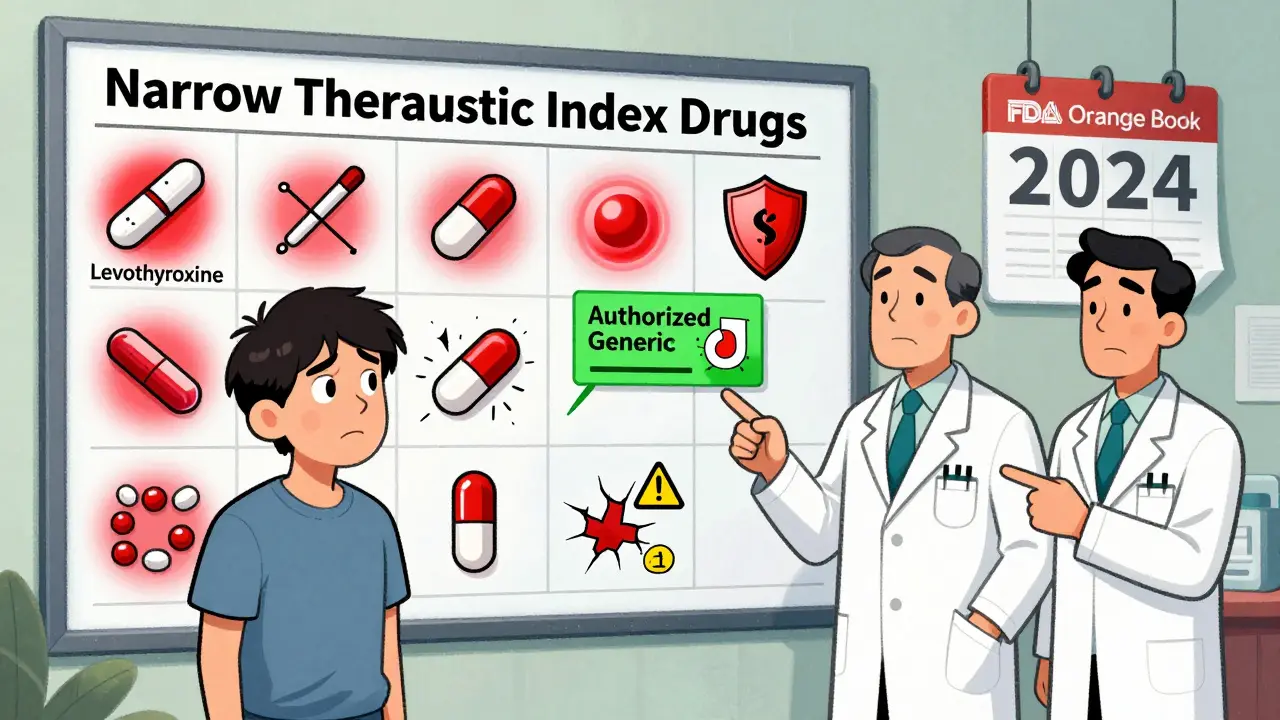
The FDA is finally making it easier to spot authorized generics. Starting in Q2 2024, they’ll add a dedicated section to the Orange Book - the official list of approved drugs - so pharmacists and patients can see which drugs have authorized versions.
This is a big deal. Right now, authorized generics don’t show up in the Orange Book at all. That’s why even some pharmacists get confused. Once the update rolls out, you’ll be able to look up your drug and see if an authorized version exists.
The Biden administration has also pushed the FDA to crack down on brand companies that use authorized generics to block competition. That could mean more authorized generics entering the market - or fewer sneaky launches timed to kill off first generic filers.
Who Benefits the Most?
Patients on drugs with narrow therapeutic indexes - drugs where small changes can cause big problems - benefit the most. That includes:
- Levothyroxine (for thyroid conditions)
- Warfarin (blood thinner)
- Phenytoin and other seizure meds
- Immunosuppressants like cyclosporine
For these, switching to an authorized generic can mean fewer doctor visits, fewer lab tests, and less anxiety.
It’s also a win for people on high-cost medications - like newer diabetes or heart drugs - where even a 15-20% discount adds up over time.
Should You Ask for One?
If you’ve had trouble with a traditional generic - weird side effects, feeling worse, inconsistent results - ask your doctor or pharmacist about the authorized version. It’s not always available, but if it is, it’s the safest, most reliable switch you can make.
And if your doctor hasn’t mentioned it? Bring it up. Say: "Is there an authorized generic for this drug? I want to make sure I’m getting the same formulation."
Most prescribers don’t know the difference between authorized and traditional generics. But once they do, they’ll often recommend it - especially for patients who’ve had issues before.
Final Thought: It’s Not Magic - But It’s Smart
Authorized generics aren’t a cure-all. They’re not available for every drug. They don’t always save you the most money. But for patients who need consistency - who can’t afford to risk a change in how their medicine works - they’re the closest thing to staying on brand without paying brand prices.
And that’s worth knowing.
Are authorized generics the same as brand-name drugs?
Yes. Authorized generics contain the exact same active and inactive ingredients, in the same amounts, as the brand-name drug. They’re made by the same company using the same process. The only difference is the label and price.
Why are authorized generics cheaper if they’re identical to the brand?
They’re sold without the marketing, advertising, and brand-name overhead. The manufacturer doesn’t pay for TV ads, fancy packaging, or patient support programs. That cost savings gets passed on to you.
Can my pharmacist switch me to an authorized generic without telling me?
Yes - unless your doctor wrote "dispense as written" or "no substitution" on the prescription. Pharmacists can legally substitute authorized generics just like traditional generics. But they’re not required to tell you. Always check the label.
Do authorized generics work better than regular generics?
For some people, yes. If you’ve had side effects or inconsistent results with a regular generic, it’s often because of differences in inactive ingredients. Authorized generics avoid that entirely - they’re exact copies. That’s why they’re recommended for drugs like levothyroxine or warfarin.
How do I find out if my drug has an authorized generic?
Ask your pharmacist or check the FDA’s website. Starting in mid-2024, authorized generics will be listed in the Orange Book. Until then, GoodRx and other drug pricing tools often note if an authorized version exists.
Will my insurance cover an authorized generic?
Almost always. Medicare Part D covers them at generic copay rates 92% of the time. Most private insurers do too. You’ll pay the same as you would for a regular generic - not the brand price.


Nicole Blain
This is literally the best thing I've read all week 🙌 I've been on levothyroxine for 8 years and switched to an authorized generic last year. No more weird fatigue, no more panic-checking my pill color. It's the same damn pill. Why do we even make this complicated?
Kathy Underhill
The real issue isn't whether they're identical. It's that the system is designed to obscure this information. Patients shouldn't have to dig through NDC codes or beg pharmacists to tell them what they're getting. Transparency isn't a feature-it should be the baseline.
Srividhya Srinivasan
Wait... so Big Pharma is *making* the generic version themselves to crush competition? That's not capitalism. That's a monopoly with a side of lies. They're not saving you money-they're controlling the market. The FDA's 'Orange Book' update? A PR move. They know this system is rigged. And they're still letting it happen.
Prathamesh Ghodke
I love how this post breaks it down like a coffee shop latte. Honestly? That analogy alone should be in every patient handout. And yeah, I’ve had patients cry because they thought their thyroid meds ‘stopped working’-turns out, it was just a different filler. Authorized generics? Game changer. Just wish more docs knew about them.
Stephen Habegger
If you’re on warfarin or levothyroxine and switched generics recently-check your pill. Seriously. A tiny change in coating can throw off your INR or TSH. Authorized generics aren’t flashy, but they’re the quiet hero of medication safety.
Justin Archuletta
I just asked my pharmacist if my blood pressure med had an authorized version... she looked at me like I spoke Klingon. Then she Googled it on her phone. We both learned something. Why isn’t this common knowledge?!
Sanjana Rajan
Of course the brand companies do this. They’d rather you pay $50 than $10. They don’t care if you feel better. They care if you keep paying. And now they’re using ‘authorized’ as a fancy word for ‘trick’. Don’t fall for it.
Kyle Young
It’s fascinating how the regulatory framework unintentionally incentivizes this behavior. The Hatch-Waxman Act intended to foster competition, yet it created a loophole where the original manufacturer can preemptively flood the market with their own version. Is this market distortion a feature or a bug? And who’s accountable when patient outcomes are collateral?
Kal Lambert
Ask your doctor. Ask your pharmacist. Check the label. Do it once. It might save you a trip to the ER. Simple. No drama. Just smart.