
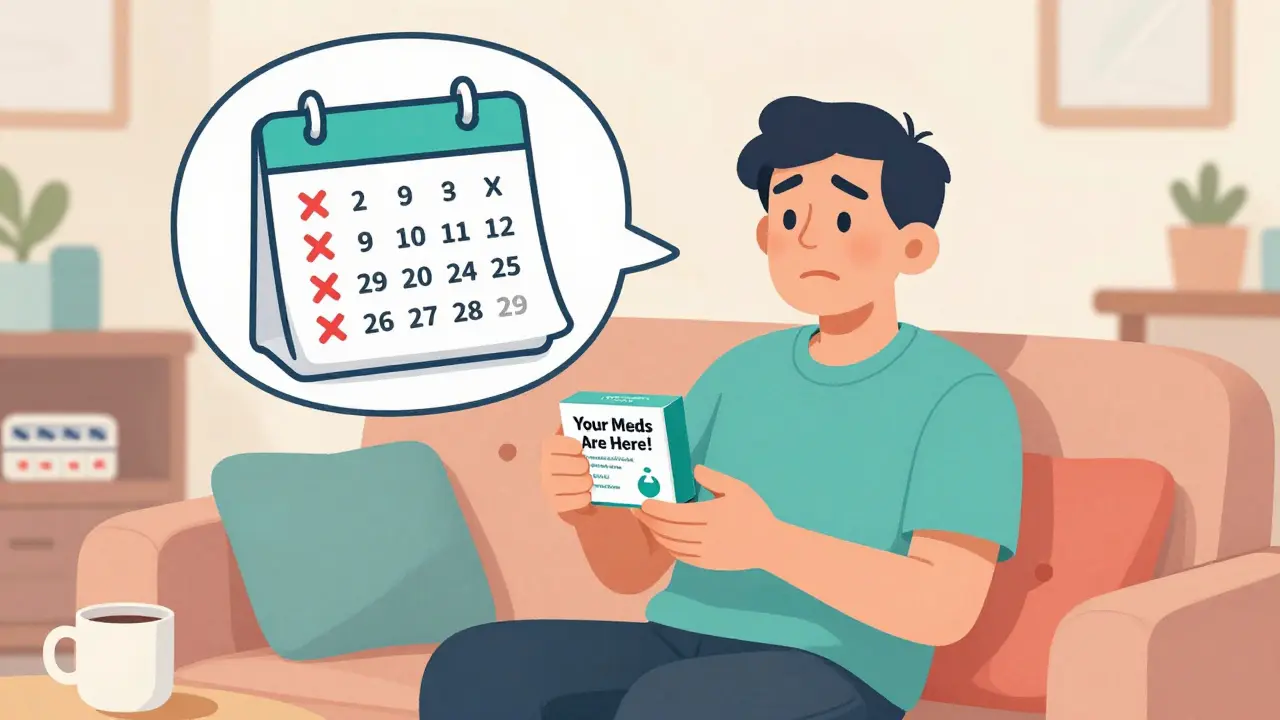
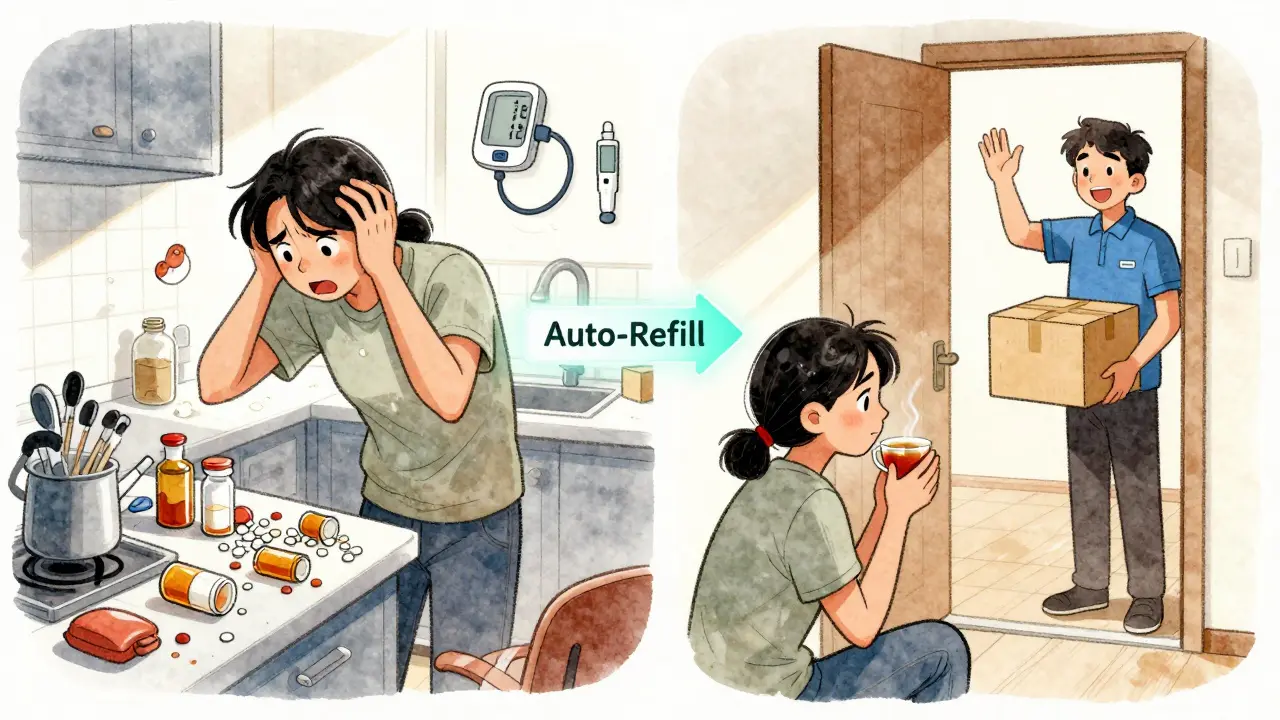
Running out of your blood pressure or diabetes meds isn’t just inconvenient-it’s dangerous. Yet, many people forget to refill prescriptions, especially when life gets busy. Automatic prescription refills fix that. They’re not magic, but they’re close: your pharmacy notices when you’re due for another bottle and ships it out before you run out. No calls, no trips, no panic.
What Automatic Refills Actually Do
Automatic refills mean your pharmacy tracks your medication schedule and sends a new supply automatically. You don’t have to remember to call, log in, or visit the store. Most systems send you a reminder first-usually by email or text-so you can confirm or cancel if something changed. This isn’t just about convenience. Studies show people who use auto-refills are 15-20% more likely to take their meds as prescribed. That’s huge for conditions like high cholesterol, asthma, or thyroid disorders where missing doses leads to worse outcomes.But here’s the catch: not every prescription qualifies. Controlled substances like opioids or strong painkillers can’t be auto-refilled due to federal rules. Same goes for meds that need frequent dose changes or prior authorization. If your doctor adjusts your insulin dose every few weeks, auto-refill might not be right for you.
How It Works Across Major Pharmacies
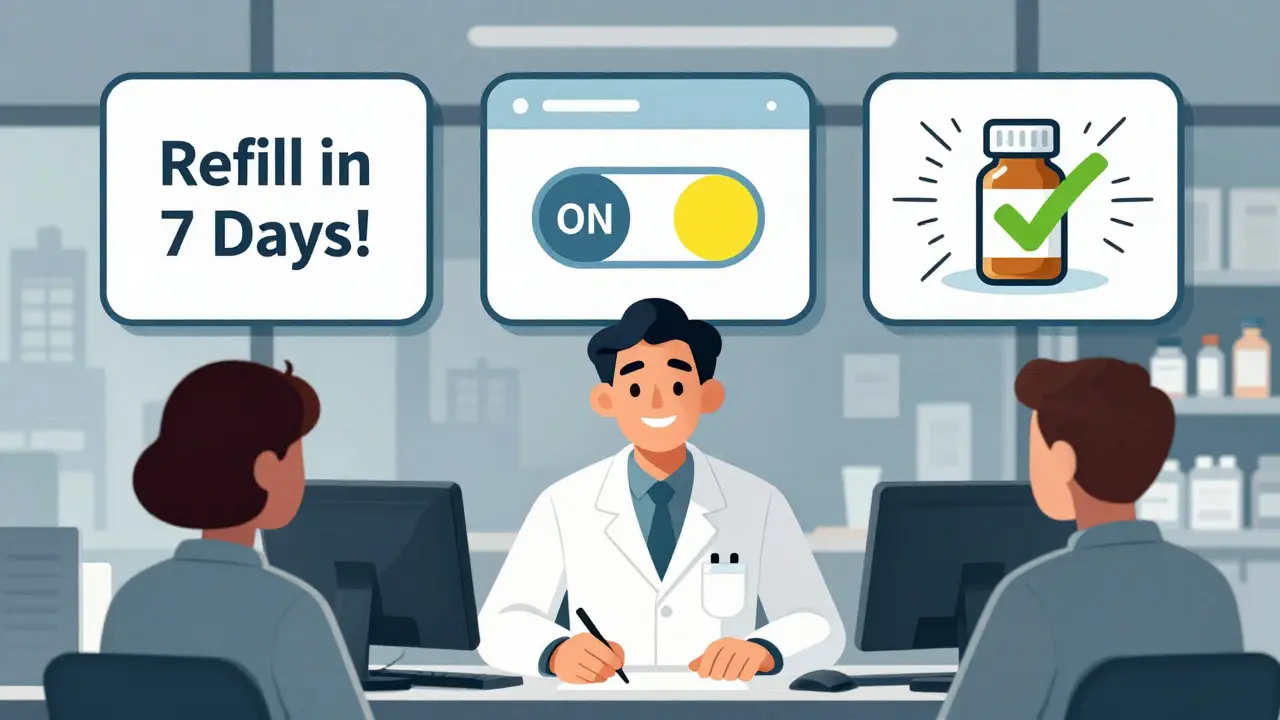
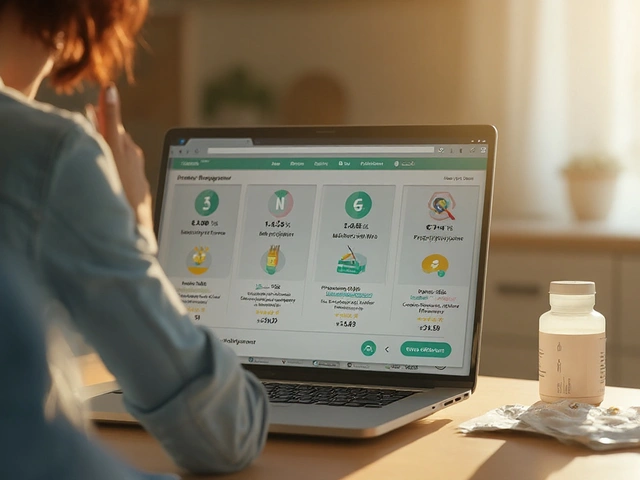
Whether you use CVS, Walgreens, Rite Aid, or a PBM like Express Scripts or Optum Rx, the process is nearly identical. You need an online account first. If you’ve never logged in to your pharmacy’s website or app, start there. Create an account using your name, date of birth, and insurance info. Most pharmacies sync this data automatically once you sign up.Once logged in, go to your list of prescriptions. Look for a button or link labeled “Manage Automatic Refills,” “Auto-Renew,” or “Enroll in Auto-Refill.” Click it. You’ll see each active prescription with a toggle switch. Turn it on for the ones you take regularly-like your statin, metformin, or blood thinner.
After you enroll, you’ll get two reminders before each refill ships. One comes about 7-10 days before your current supply runs out. The second comes 2-3 days later. These aren’t spam. They’re safety checks. If you’ve switched doctors, changed your dose, or stopped the med entirely, this is your chance to cancel. No one wants a box of pills they no longer need sitting in the cupboard.
Why Some People Can’t Use Auto-Refills
If you’re on Medicaid in Missouri, you probably can’t use auto-refills at all. Since April 2023, 27 state Medicaid programs-including Missouri’s MO HealthNet-banned automatic refills at the point of sale. Why? They worry patients might get duplicate meds or stockpile drugs they don’t need. It’s a valid concern, but it hurts people who rely on these systems to stay healthy.Even if you’re not on Medicaid, your insurance might block auto-refills if your prescription needs prior authorization every time. Some insurers require a new form from your doctor for each refill. In those cases, the pharmacy can’t process it automatically. You’ll see the option grayed out or marked “Not Eligible.”
Another common issue: shipping address mismatch. If your home address in the system is outdated, your meds might get sent to the wrong place. Always double-check your profile. If you live in an apartment, make sure your unit number is included. Pharmacies don’t leave packages at doors if the address is incomplete.
What to Do If Auto-Refill Isn’t Working
If you turned on auto-refill and nothing happened, here’s what to check:- Is the prescription active? Expired refills won’t auto-renew.
- Are you on a controlled substance? Those are excluded by law.
- Did your insurance change? Updates don’t always sync automatically.
- Is your address correct? Even a missing apartment number causes delays.
- Has your doctor changed your dose? That can pause auto-refill until they reauthorize.
If you’re still stuck, call your pharmacy. Most have a dedicated line for refill issues. Don’t wait until you’re out of pills. Ask them to manually trigger a refill while you sort out the system error. It’s faster than you think.
Benefits Beyond Convenience
Auto-refills don’t just save you trips to the pharmacy. They reduce stress. A 2022 CVS Health report found auto-refill users had a 23% lower rate of prescription abandonment-meaning fewer people just give up and stop taking their meds. That’s not just about adherence. It’s about health outcomes. People who stay on their meds longer have fewer hospital visits, ER trips, and complications.Pharmacists notice it too. One pharmacist in Perth told me, “We used to get 15 rush refill calls a day. Now it’s maybe three. People aren’t panicking because they know their meds are coming.” That’s the real win. Less chaos, more stability.
And it’s growing. Around 65% of maintenance prescriptions for Medicare Part D users now use some form of scheduled refill. By 2025, that number could hit 78%. The system isn’t perfect, but it’s getting better. New platforms like Optum Rx now let you pick your preferred refill date instead of accepting a default. That’s a big step toward personalization.
When Auto-Refill Might Hurt More Than Help
Auto-refills are great for stable conditions: high blood pressure, diabetes, thyroid meds, antidepressants. But they’re risky if your treatment plan changes often. If you’re on chemotherapy, adjusting insulin, or trying new mental health meds, auto-refill could send you the wrong dose or a drug you’ve stopped taking.The American Medical Association warned in 2024 that auto-refill systems can lead to “wasted drugs, incorrect dosing, and receipt of discontinued prescriptions” if not used carefully. That’s why the reminders matter. They’re not optional. Always respond to them. Even if you think you’re fine, it’s worth 30 seconds to say “yes” or “no.”
Some people get overwhelmed by the volume. If you’re on five or six long-term meds, you might get 10-12 auto-refill emails a year. That’s a lot. But you can turn off auto-refill for any med at any time. No penalty. No fine. Just go back to your account and toggle it off.
Final Tips for Success
- Set up auto-refill for all your chronic meds at once. Don’t wait until you’re out.
- Check your shipping address every six months. Life changes-move, roommates, PO boxes.
- Respond to every reminder. Even if you’re sure you want it.
- Use email, not just text. Some pharmacies send important updates only to email.
- If you switch pharmacies, re-enroll. Auto-refill settings don’t transfer.
- Keep a list of your auto-refill meds. It helps during doctor visits.
Automatic refills aren’t perfect. But for most people on long-term meds, they’re the easiest way to stay on track. No more guessing. No more missed doses. Just peace of mind.
Can I turn off automatic refills anytime?
Yes. You can turn off auto-refill for any prescription at any time through your pharmacy’s website or app. Just go to your prescription list, find the auto-refill toggle, and switch it off. There’s no penalty, and you can turn it back on later if needed.
Why can’t I see the auto-refill option for my prescription?
Your prescription may not qualify. Common reasons include: it’s a controlled substance (like opioids), it requires prior authorization each time, your insurance doesn’t allow auto-refills, or your doctor changed your dose recently. If you’re unsure, call your pharmacy-they can check your eligibility.
Do I have to pay extra for automatic refills?
No. Auto-refill services are free. You only pay your normal copay or insurance share for the medication. Shipping is usually included too. If someone tries to charge you for auto-refill, ask for clarification-it’s not standard practice.
What if I move or change my address?
Update your address in your pharmacy account right away. If your meds are shipped to an old address, they might be returned or lost. Pharmacies don’t always call to confirm changes, so it’s your responsibility to keep your profile current.
Can I choose when my refill ships?
Some pharmacies now let you pick your preferred refill date. For example, Optum Rx lets you choose a date that fits your schedule instead of accepting the default. Check your pharmacy’s app or website-if you see a calendar option, you can set your own timing.
Is auto-refill safe if I’m on Medicaid?
It depends on your state. In Missouri, auto-refill is banned for Medicaid patients as of April 2023. But in states like California or New York, it’s allowed and even encouraged. Check with your state’s Medicaid office or call your pharmacy to confirm if you’re eligible.


Mark Alan
OMG THIS IS A GAME CHANGER!!! 🚀 I was almost in the ER last month because I forgot to refill my blood pressure meds. Now I’ve got auto-refill on EVERYTHING. My pharmacist even texted me a pizza emoji last week. 🍕❤️
Sue Latham
Honestly? It’s funny how people act like this is some revolutionary tech. My grandma in 1998 used to call her pharmacy every Thursday. Now we’ve got algorithms doing her job? I mean… sure, I’ll take the convenience, but let’s not pretend this is innovation. Just… automation. With extra steps.
Colin Pierce
Just wanted to add a real tip: if you’re on Medicaid in a state that bans auto-refills (looking at you, Missouri), ask your pharmacy if they can do a "scheduled refill" instead. It’s not automatic, but they’ll call you 10 days out and set a date. Still way better than forgetting. And if your doctor’s office has a patient portal, link it - sometimes they can auto-request refills on your behalf.
Amber Daugs
I can’t believe people still don’t set this up. You’re literally choosing to risk your life because you’re too lazy to click a toggle. I’ve seen people die from skipped meds. This isn’t convenience - it’s survival. If you’re not using auto-refill, you’re not taking your health seriously. Period.
Ambrose Curtis
yo so i turned on auto refill for my metformin and then totally forgot i was on a new dose and got the old one shipped. thank god for the 2nd reminder email or i would’ve been in trouble. now i always check those. also, my address was missing my apt number and my meds got sent to the wrong building. pharmacy didn’t call. just sat there. so yeah - update your damn profile. it’s 5 seconds.
Linda O'neil
If you’re on 5+ meds and feel overwhelmed by the reminders - you’re not alone. I turned off auto-refill for my antidepressants for a while because I got so many emails. But then I missed a refill and crashed. Now I keep it on for everything and just delete the emails. Seriously. Your mental health is worth 30 seconds of your time. You got this!
James Dwyer
I’ve been on auto-refill for 3 years. Never missed a dose. Never had to call anyone. Never panicked. My pharmacist says I’m her favorite patient. That’s not because I’m nice - it’s because I’m consistent. This system works. Use it.
Chris Urdilas
Wow. So the government banned auto-refills for Medicaid patients because they’re afraid someone might… get too healthy? That’s the dumbest policy I’ve heard since they tried to charge people for oxygen. Meanwhile, the rest of us get to live without panic. Thanks, Missouri.
SRI GUNTORO
In India, we don't have this system. We wait in lines for hours. We pay out of pocket. We forget. We suffer. You people have it easy. Don't take this for granted.
Kevin Kennett
I used to think auto-refill was just for old people. Then my 28-year-old buddy with type 1 diabetes told me he almost died because he forgot to refill his insulin. Now he’s got it on for everything - even his allergy meds. If you’re thinking, "I’m young, I’ll remember," you’re lying to yourself. Set it up. Do it now. Your future self will hug you.
Jess Bevis
Set it up. Done.