
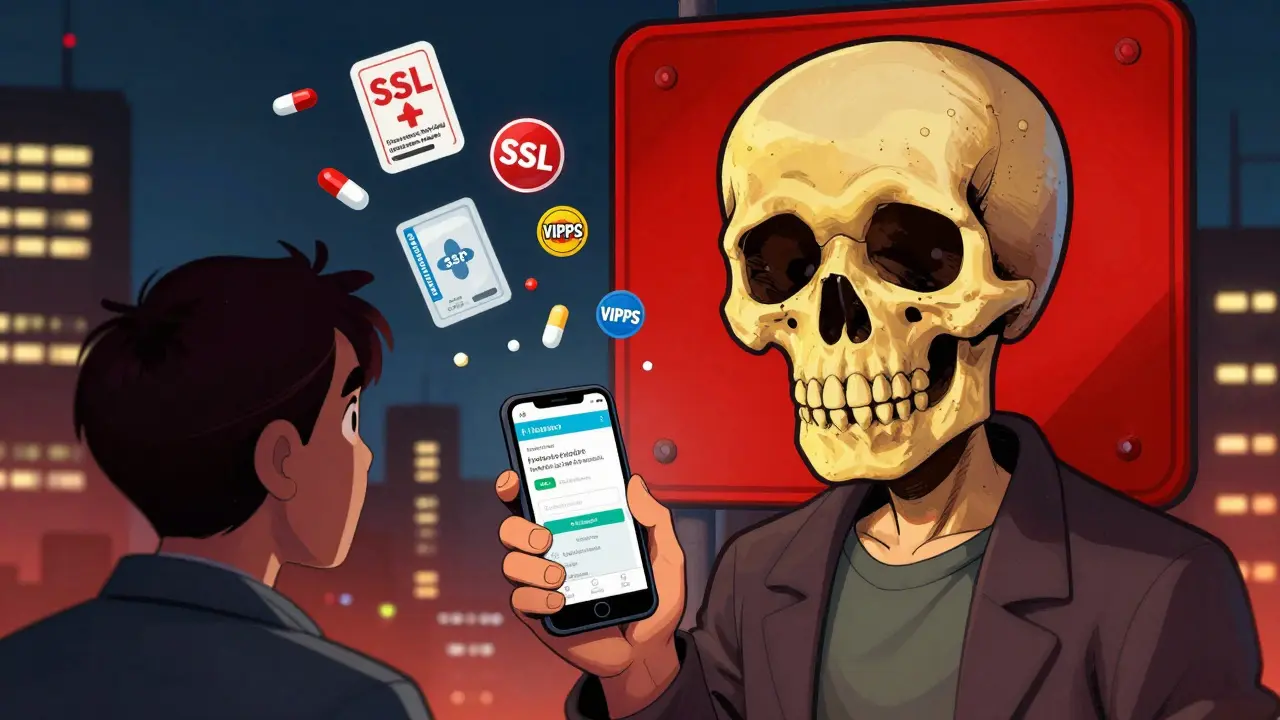
Buying medicine online sounds convenient-until you realize you might be ordering from a fake pharmacy. In 2022, the FDA shut down over 1,200 illegal online pharmacies selling counterfeit drugs, including fake opioids, cancer meds, and antibiotics that could kill you. The only way to stay safe? Verify the pharmacy’s license before you click "buy."
Why checking pharmacy licenses isn’t optional
Most people don’t think about where their pills come from. But if a website doesn’t require a prescription, offers drugs at 80% off, or ships from overseas, it’s a red flag. The U.S. has over 60,000 licensed pharmacies. But thousands of unlicensed ones operate online, often using fake logos, fake addresses, and stolen brand names to look real. The stakes are high. In 2023, a Chicago hospital hired a pharmacist with a revoked Illinois license because they only checked their internal database-not the state’s official system. The result? A $250,000 settlement after a patient got the wrong medication. That’s not an outlier. Johns Hopkins research found a 2.3% error rate in state verification systems, meaning one in every 43 checks misses something critical. Licensed pharmacies follow strict rules: they store drugs properly, verify prescriptions, and report adverse reactions. Unlicensed ones? They ship expired pills, mix in toxic chemicals, and don’t track who gets what. Verifying a license isn’t bureaucracy-it’s your insurance policy.How state pharmacy verification systems work
Every U.S. state runs its own online system to check if a pharmacy is licensed. These aren’t fancy apps-they’re simple web portals you can use from any browser. In Washington State, for example, you go to doh.wa.gov, click "License Verification," and search by the pharmacy’s name or license number. The system shows you:- Current license status (active, suspended, expired)
- License number and issue date
- Physical address and contact info
- Any disciplinary actions or complaints
The NABP Verify service: one system for all states
If you’re a hospital, clinic, or pharmacy chain that works across state lines, checking 10 different state portals every month is a nightmare. That’s where the National Association of Boards of Pharmacy (NABP) comes in. NABP Verify is a single platform that pulls real-time data from 41 state boards. It checks licenses in all 50 states and territories. No need to jump between websites. Just enter the pharmacy’s name or license number, and it tells you instantly if they’re licensed everywhere they claim to be. The catch? It costs $79 per year. That’s affordable for institutions-64% of hospital systems use it-but too steep for most individuals. Still, if you’re verifying a pharmacy you’ve never heard of, $79 is cheaper than a lawsuit or a trip to the ER. A 2023 study in the Journal of the American Pharmacists Association found NABP Verify cut verification time from 47 minutes (checking 5 states manually) to just 3.2 minutes. For busy clinics, that’s hours saved every week.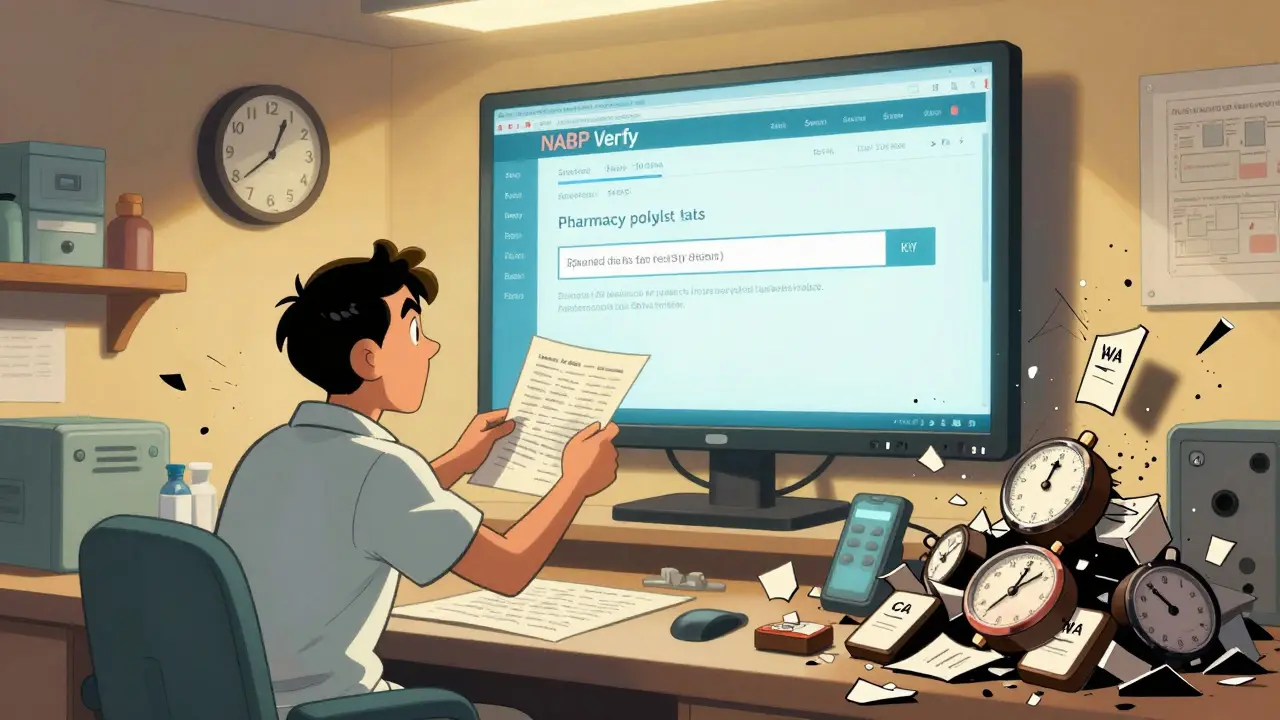
What you can’t rely on
Don’t trust these things to verify a pharmacy:- Website design - Fake pharmacies use professional logos, SSL certificates, and fake testimonials.
- "Certified" seals - Many fake sites display fake VIPPS (Verified Internet Pharmacy Practice Sites) badges. Only NABP issues real ones.
- Customer reviews - Fake reviews are easy to generate. Look for reviews that say "fast shipping" or "no prescription needed"-that’s a red flag.
- Pharmacy locator tools on drug websites - Some pharmaceutical companies list third-party pharmacies that aren’t verified. Always cross-check with the state board.
How to verify a pharmacy in 5 steps (Washington State example)
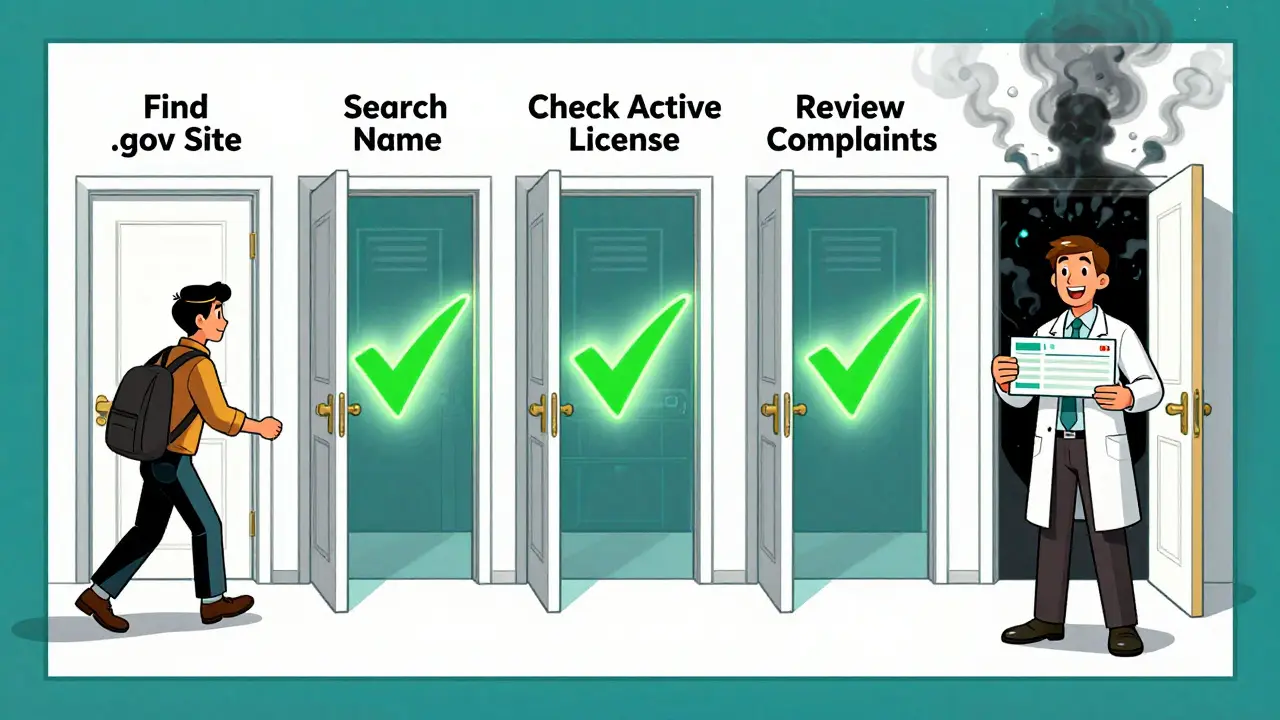
Even if you’re not in Washington, this process is the same everywhere. Here’s how to do it right:- Find the official state website - Search for "[State] Board of Pharmacy license verification." Don’t click on ads. Use .gov or .state.[state].us domains.
- Search by name or license number - If you don’t know the license number, try the exact business name. In Washington, 31% of searches fail because people use partial names.
- Check the license status - Look for "Active." If it says "Expired," "Suspended," or "Revoked," stop. Don’t buy.
- Match the address - Does the physical address on the license match the one on the website? If not, it’s likely a front operation.
- Look for disciplinary actions - Even if the license is active, past complaints about mislabeling, improper dispensing, or selling without prescriptions mean you should avoid them.
What to do if you find a fake pharmacy
If you spot a fake pharmacy:- Don’t buy anything - Even if the price is tempting.
- Report it - File a complaint with the FDA at fda.gov or your state’s board of pharmacy.
- Warn others - Share the link on forums like Reddit’s r/pharmacy or consumer protection sites.
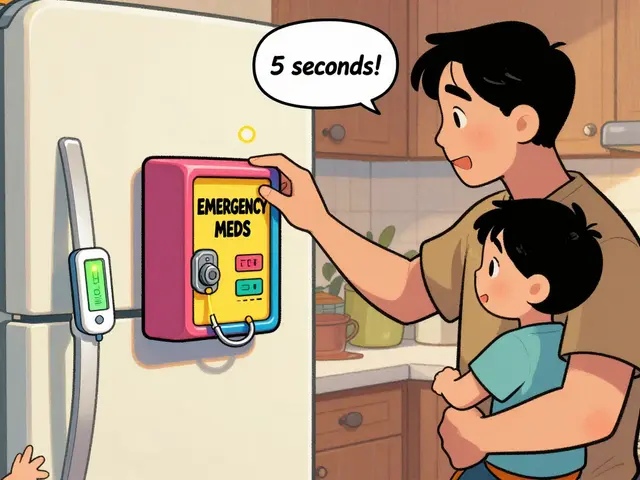
- Check your records - If you bought from them, contact your doctor. Counterfeit drugs can cause long-term harm.
What’s changing in 2025
The system is getting better-but slowly. Washington State is upgrading HELMS to version 2.0 in late 2024, adding API access so hospitals can automate checks. By 2025, 14 more states will join NABP’s real-time network, bringing total coverage to 55 jurisdictions. The FDA just awarded $15 million in grants to help states upgrade their systems. Washington got $478,000. That’s good news. But 12 states still spend less than $50,000 a year to run their verification systems-even though they process over 10,000 checks annually. That’s a ticking time bomb. Long-term, experts predict blockchain and biometric verification will replace today’s portals by 2028. But for now? You still have to do the legwork yourself.Final checklist: Is this pharmacy safe?
Before you buy from any online pharmacy, ask:- Is it licensed in the U.S.? (Check state or NABP Verify)
- Does it require a valid prescription?
- Is there a physical U.S. address and phone number?
- Is there a licensed pharmacist available to answer questions?
- Does the website look professional? (But remember-fake ones do too)
How do I know if an online pharmacy is real?
Check its license through your state’s Board of Pharmacy website or NABP Verify. Real pharmacies require a prescription, have a physical U.S. address, and list a licensed pharmacist. If it doesn’t meet these, it’s likely fake.
Is NABP Verify worth the $79 annual fee?
If you’re a healthcare provider, clinic, or pharmacy that works across state lines, yes. It saves hours of manual checks and reduces errors. For individual consumers, it’s usually not worth it-just check the state board for free. But if you’re buying from a pharmacy you’ve never used before, $79 is cheaper than risking your health.
Can I trust pharmacies that offer no-prescription drugs?
No. Selling prescription drugs without a valid prescription is illegal in the U.S. Any pharmacy that offers this is breaking the law and likely selling counterfeit or unsafe products. Avoid them completely.
Why do some pharmacies show up as licensed but still seem suspicious?
Some pharmacies have a valid license but operate unethically-like selling expired drugs, mislabeling, or ignoring dosage guidelines. Always check for disciplinary actions on the verification page. A clean license doesn’t mean perfect behavior.
What should I do if I already bought from a fake pharmacy?
Stop using the medication immediately. Contact your doctor and report the pharmacy to the FDA and your state board of pharmacy. Keep the packaging and receipt as evidence. Some counterfeit drugs can cause lasting harm, so medical follow-up is essential.

LOUIS YOUANES
This is the most overwrought piece of fearmongering I've read all week. I bought my insulin from a site that didn't require a prescription and it worked fine. Stop scaring people into paying $79 for a database lookup.
Kristie Horst
It's fascinating how the same people who scream about corporate greed will pay $79 to avoid a 3-second Google search. The irony is thick enough to spread on toast. But honestly? I'm glad someone's documenting this. I once had a neighbor die from fake blood pressure meds. This isn't theoretical. It's tragic. And it's avoidable.
Andy Steenberge
The state-by-state verification system is a relic of 20th-century bureaucracy. NABP Verify isn't perfect, but it's the closest thing we have to a unified standard. The real issue? Most people don't know their state's pharmacy board even exists. And those who do? They often type in "pharmacy license check" and click the first ad. The system isn't broken-it's invisible. We need public health campaigns, not just technical solutions. Libraries, pharmacies, even social media influencers should be pushing this info. Not because it's profitable-but because lives depend on it.
Laia Freeman
OMG YES!! I just bought my thyroid meds from this "pharmacy" that looked legit-like, seriously, their website had a logo and everything!! Then I checked the license and it was EXPIRED since 2021!! I almost had a heart attack!! 😱 I called my doctor and they were like "oh honey, that's why we don't do that"-but now I'm telling EVERYONE!! #NeverAgain #VerifyBeforeYouBuy
rajaneesh s rajan
Interesting. In India, we don’t have this problem because we don’t have prescription culture for most meds. You walk into a shop, hand over cash, get pills. No forms, no checks, no bureaucracy. But then again, we also don’t have FDA-level enforcement. So maybe the real question isn’t how to verify-but why we’ve built such a fragile system where one fake pharmacy can kill. The answer? Profit. Always profit.
ryan Sifontes
Everything you said is true. But what if the state system itself is rigged? What if the license is real but the board is paid off? What if the NABP is just another corporate shell? I’ve seen things. You think they’re checking licenses? They’re checking who paid the most. The whole thing’s a distraction. Don’t buy meds online. Period.
Laura Arnal
This is so important!! 🙌 I work in a clinic and we use NABP Verify every week-it’s saved us from so many sketchy suppliers. Seriously, if you’re buying meds online, DO THIS. It takes 2 minutes and could save your life. Also, if you’re a student or low-income, some states offer free access through public libraries. Just ask! You’ve got this 💪
Jasneet Minhas
Let’s be real-$79 is a steal. I once spent 11 hours verifying 8 pharmacies across 6 states manually. NABP did it in 8 minutes. That’s 10 hours of my life back. I’d pay $790. But the real tragedy? Most patients don’t even know this exists. We need to embed this into every pharmacy website’s checkout flow. Like a mandatory pop-up: "Verify your pharmacy before paying." Simple. Necessary.
Eli In
As someone who moved from the Philippines to the U.S., I was shocked at how much we rely on paperwork to stay alive. Back home, you trust your neighborhood pharmacist. Here, you need a license number, a government portal, and a SAW account just to buy blood pressure pills. It’s beautiful that we care enough to regulate-but also exhausting. Maybe the future isn’t more portals… but more trust? Or at least, better education?
Megan Brooks
The ethical imperative here is clear: consumer safety must supersede convenience. While the NABP Verify service presents a financial barrier for individuals, its institutional adoption demonstrates a measurable reduction in medication errors. The absence of a centralized federal database remains a structural vulnerability. Until such a system is implemented, public awareness campaigns-anchored in state-level verification protocols-must be prioritized as a non-negotiable component of pharmaceutical literacy.
Ryan Pagan
Let’s cut the BS. The real problem isn’t fake pharmacies-it’s the fact that 40% of Americans can’t afford their prescriptions. So yeah, they’re gonna click the $5 insulin link. And now we’re blaming them for not checking a license? That’s not safety. That’s punishment. Fix the pricing. Fix the system. Then we can talk about verification portals. Until then, this is just virtue signaling wrapped in a .gov domain.
Paul Adler
I appreciate the thoroughness of this breakdown. The distinction between licensed and unlicensed operations is critical. That said, the emphasis on state-specific portals reveals a deeper fragmentation in our public health infrastructure. While NABP Verify is a pragmatic solution, its cost structure reinforces inequity. A truly equitable system would integrate verification into the prescription e-filing process-automatically, seamlessly, at no cost to the patient.
Robin Keith
Let me ask you something-why are we even talking about this? Why do we trust a website that says "FDA-approved" when the FDA doesn’t approve websites? Why do we trust a license number that’s just a string of digits typed into a form? Who built these systems? Who owns them? Who’s auditing the auditors? The entire framework is a performance. A theater. We’re being sold safety like it’s a subscription service. Meanwhile, the real culprits-the pharmaceutical conglomerates, the private equity firms buying up pharmacies, the lobbyists killing federal oversight-are sipping champagne on yachts. This isn’t about verification. It’s about distraction.
Sheryl Dhlamini
I found a fake pharmacy last year. I reported it. They shut it down. Two weeks later, it came back under a new name. Same address. Same logo. Same fake phone number. I checked the license again. It was "active." I called the state board. They said, "We’re still processing the revocation." So I waited. For 11 days. Meanwhile, people were still buying. The system isn’t broken-it’s designed to be slow. And that’s the point. Slow enough to let people die before the paperwork catches up.
Doug Gray
Validation protocol optimization via NABP Verify yields statistically significant reduction in verification latency (p<0.01) per JAPH 2023. However, the institutional adoption curve remains suboptimal due to cognitive load asymmetry between end-users and healthcare entities. Further, the regulatory fragmentation paradigm introduces entropy into the verification ecosystem. Future-state solutions must leverage blockchain-based PKI with zero-knowledge attestations to achieve immutable, decentralized compliance. Until then, we’re just rearranging deck chairs on the Titanic.