
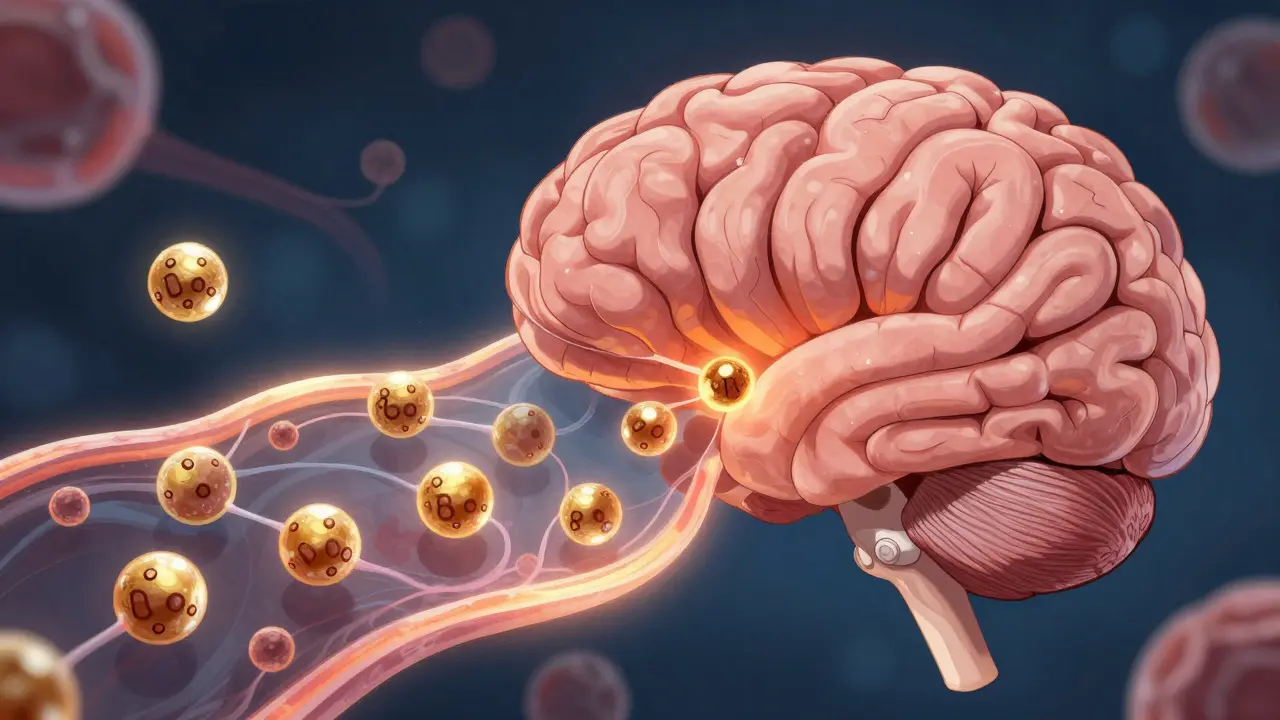
The frustrating part is that your doctor might tell you your iron levels are "normal" based on a standard lab range. However, the brain's requirements for iron are much stricter than the rest of the body's. Even if you aren't clinically anemic, a functional iron deficiency in the substantia nigra-a key area of the brain-can trigger those nighttime surges. This means the target for someone with RLS is very different from the target for a healthy adult without the condition.
The Magic Number: Why 50 ng/mL Matters
If you look at a standard lab report, a Ferritin level (which is a blood protein that stores iron) might be listed as normal if it's anywhere from 12 to 300 ng/mL. But for those struggling with restless legs, a level of 30 ng/mL is often far too low. Clinical evidence from the American Academy of Neurology and the AASM suggests that the critical threshold is 50 ng/mL. If your ferritin is below this mark, there is a high probability that iron repletion will significantly reduce your symptoms.
But it doesn't stop at 50. Many specialists now push for a target between 75 and 100 ng/mL for optimal control. Why the higher bar? Because iron doesn't just float in the blood; it has to cross the blood-brain barrier. When your stores are barely adequate, your brain might still be starving for iron even if your blood test looks okay. Some patients find that they only see a real change in their sleep quality once they hit that 75 ng/mL sweet spot.
Oral Supplements vs. IV Iron: Which One Works?
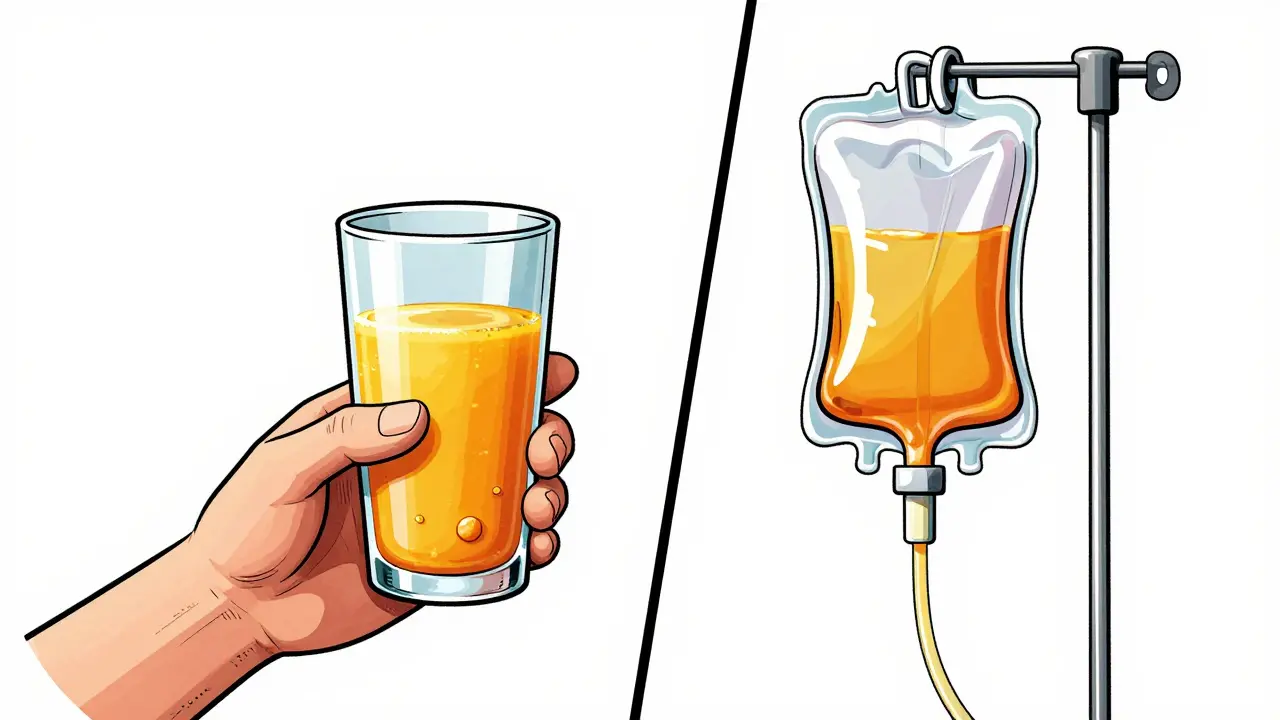
When it's time to fix the deficiency, you generally have two paths: pills or an infusion. Oral iron is the starting point for most, but it's not without its headaches-literally and figuratively. A common starting dose is 325 mg of ferrous sulfate, which provides about 65 mg of elemental iron. To make this work, you typically need to take it on an empty stomach or with a bit of vitamin C to help with absorption. However, about 30% of people find these pills cause stomach pain or constipation.
If your gut can't handle the pills, or if your ferritin levels refuse to budge, Intravenous Iron (IV iron) is the heavy hitter. Using a compound like ferric carboxymaltose, doctors can bypass the digestive tract and deliver iron directly into the system. Research shows this is often more effective for severe cases, with some patients seeing a dramatic drop in their IRLS (International Restless Legs Scale) score. The trade-off is that IV therapy is more expensive and requires a clinic visit, but for someone who hasn't slept properly in years, the efficiency is usually worth it.
| Feature | Iron Supplementation | Dopamine Agonists (e.g., Pramipexole) |
|---|---|---|
| Onset of Relief | Slow (2-8 weeks) | Fast (a few days) |
| Risk of Augmentation | Virtually Zero | High (up to 70% long-term) |
| Primary Side Effects | Gastrointestinal upset | Nausea, sleepiness, impulse control |
| Annual Cost (Est.) | $185 - $350 (Oral) | $2,400 - $4,800 |
The Danger of "Augmentation"
Many people start by taking dopaminergic medications because they work quickly. You take a pill, and suddenly you can sleep. But there is a hidden trap called augmentation. This happens when the medication actually makes your symptoms worse over time. Your symptoms might start earlier in the day, or move from your legs to your arms. It's a paradoxical reaction that can leave you in a worse position than when you started.
Iron therapy is the antidote to this cycle. By addressing the underlying iron deficiency, you may be able to lower or even eliminate your need for these heavy-duty drugs. Because iron doesn't cause augmentation, it is widely considered a safer long-term strategy for those who qualify. The goal isn't just to mask the sensation, but to fix the biological gap that's causing the neurological "misfire."
The Hepcidin Factor: Why Some People Don't Respond
Have you ever taken iron supplements for months, but your levels didn't move? Or maybe your levels went up, but your legs still feel like they're on fire? This is where Hepcidin comes in. Hepcidin is a hormone that acts as the "master regulator" of iron. If your hepcidin levels are too high, your body blocks the absorption of iron from your gut, regardless of how many pills you swallow.
Recent studies have found that people with RLS often have higher hepcidin levels than healthy people. This creates a state of functional iron deficiency-you have iron in your body, but it's locked away and cannot reach your brain. If you're in this boat, oral supplements are often a waste of time. This is exactly why doctors recommend IV iron for non-responders; it bypasses the hepcidin-blocked gateways in the gut.
Practical Steps for Starting Iron Therapy
If you suspect your restless legs are tied to iron, don't just buy a random supplement from the pharmacy. Too much iron can be toxic, so you need a roadmap. Start by asking your doctor for a full iron panel, not just a hemoglobin test. You want to see your ferritin, transferrin saturation, and total iron-binding capacity (TIBC).
If you start oral iron, try these pro tips to make it easier on your system:
- Alternate-day dosing: Some find that taking iron every other day reduces stomach issues without sacrificing effectiveness.
- Pair with Vitamin C: A glass of orange juice or a 100mg supplement can help your body absorb the iron more efficiently.
- Avoid Calcium with Iron: Don't take your iron supplement at the same time as milk or calcium tablets, as they compete for absorption.
- Re-test at 8-12 weeks: It takes time for stores to build. Don't panic if you don't feel a change in week one; the real shift usually happens after two months of consistent loading.
Dietary Iron: Is Steak Enough?
You'll often hear that eating more red meat or spinach will fix the problem. While a diet rich in heme iron (found in red meat) is helpful for general health, it's rarely enough to treat RLS. A serving of steak might provide 1-2 mg of absorbable iron, while a standard medical supplement provides 65 mg. When you're trying to raise your ferritin from 30 to 75 ng/mL, you're fighting an uphill battle with food alone. Use diet to maintain your levels, but use supplements or infusions to reach your target.
What is the ideal ferritin level for someone with Restless Legs Syndrome?
While a general healthy range starts as low as 12 ng/mL, RLS patients should aim for a minimum of 50 ng/mL. Many sleep specialists recommend a target between 75 and 100 ng/mL to ensure sufficient iron reaches the brain and to minimize the risk of symptom recurrence.
Can I take iron supplements if my doctor says my levels are "normal"?
You should never start high-dose iron without medical supervision because iron overload can damage the liver and heart. However, if your ferritin is between 50-75 ng/mL and you still have severe symptoms, some clinicians suggest a therapeutic trial of iron. Always get a baseline blood test first.
How long does it take for iron supplements to stop the leg sensations?
Unlike dopamine medications that work in days, iron therapy is a slow burn. Most patients begin to notice a reduction in symptom intensity after 4 to 8 weeks of consistent supplementation. IV iron may work slightly faster for some, but the biological shift still takes a few weeks to stabilize.
What is augmentation and why is iron better than drugs?
Augmentation is a paradoxical reaction where dopaminergic drugs (like ropinirole) eventually make RLS symptoms worse or cause them to start earlier in the day. Iron therapy treats the underlying cause-brain iron deficiency-and does not carry the risk of making the condition worse over time.
Why is IV iron recommended over pills for some people?
Two main reasons: tolerance and absorption. Many people experience severe gastrointestinal side effects with oral iron. Additionally, some patients have high levels of hepcidin, a hormone that blocks iron absorption in the gut, making IV infusions the only effective way to raise ferritin levels.