Benzodiazepine Overdose: Signs, Risks, and What to Do in an Emergency
When someone takes too much of a benzodiazepine, a class of central nervous system depressants used to treat anxiety, seizures, and insomnia. Also known as benzos, these drugs include common prescriptions like diazepam, lorazepam, and alprazolam. While they work well when taken as directed, a benzodiazepine overdose can slow breathing to dangerous levels—or stop it entirely. This isn’t rare. In fact, over half of all fatal benzodiazepine overdoses happen when these drugs are mixed with opioids or alcohol, turning a prescribed medication into a silent killer.
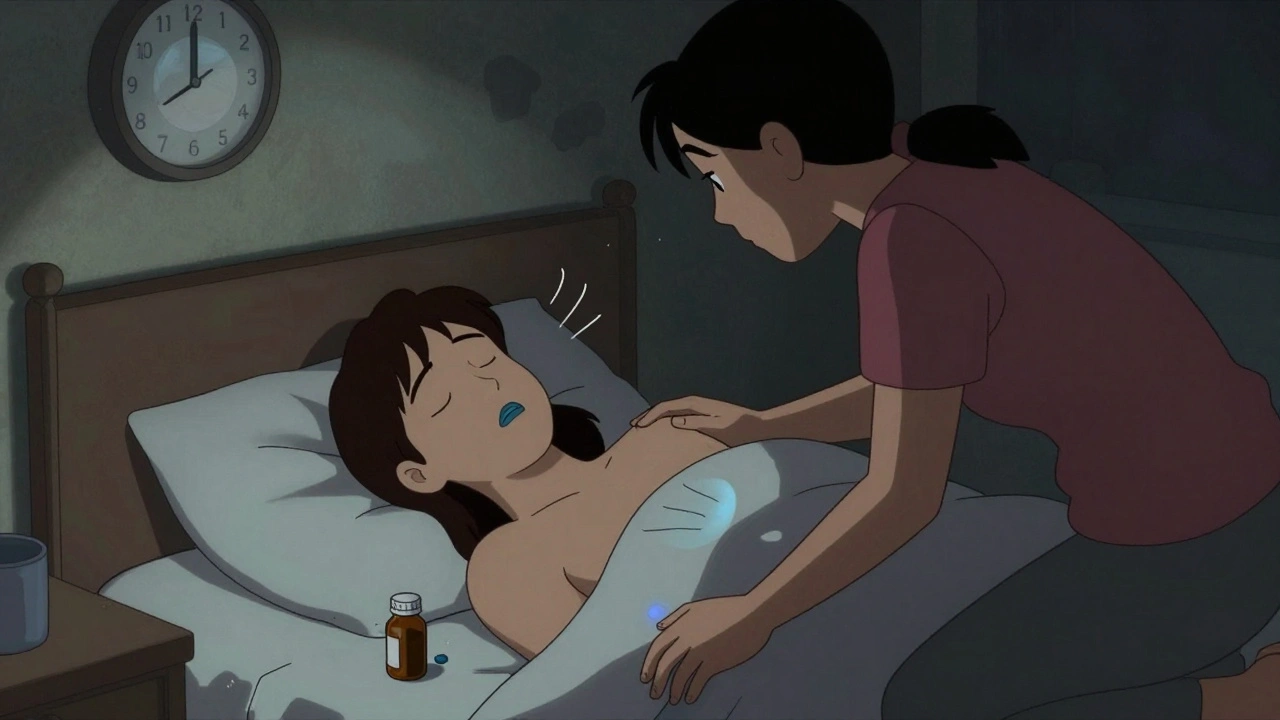
The body doesn’t handle too many sedatives well. Signs of overdose include extreme drowsiness, confusion, slurred speech, weak muscles, and slow or shallow breathing. In severe cases, the person may lose consciousness, slip into a coma, or stop breathing. What makes this especially dangerous is that people often don’t realize they’re at risk. Maybe they took an extra pill because they didn’t sleep, or they had a drink after their evening dose. Or worse—they didn’t know their prescription was being mixed with something else. naloxone, a drug used to reverse opioid overdoses won’t work here. Only specific medical care, like airway support and flumazenil (in rare cases), can help. That’s why calling 911 isn’t optional—it’s the only thing that can save a life.
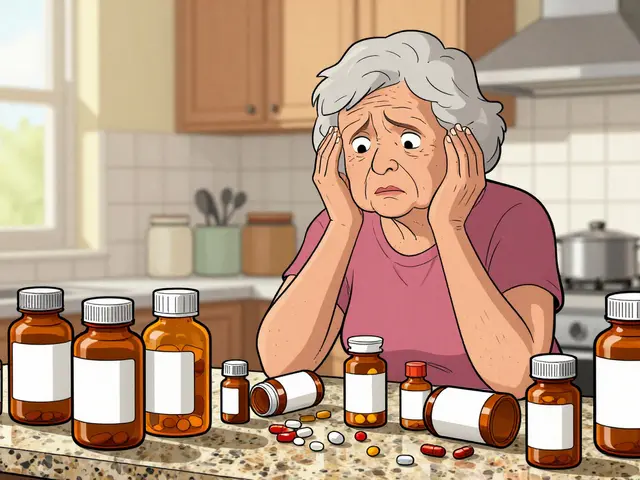
Older adults are at higher risk because their bodies clear these drugs slower, and even small doses can cause falls or confusion that lead to injury. People taking multiple medications—like painkillers, sleep aids, or antidepressants—are also more vulnerable. drug interactions, when two or more medications affect each other’s effects in the body are a major hidden danger. A pill that’s fine on its own can become deadly when combined with another. That’s why knowing what’s in your medicine cabinet matters just as much as taking your pills correctly.
You won’t find a single article here that tells you to panic about benzodiazepines. But you will find real stories, clear warnings, and practical advice from people who’ve seen the aftermath. From how to recognize the early signs of overdose to what emergency responders look for, these posts give you the facts you need—not guesses, not myths, not fear-mongering. Whether you’re a patient, a caregiver, or just someone who wants to understand why this class of drugs demands respect, the information below could help you spot trouble before it’s too late.