
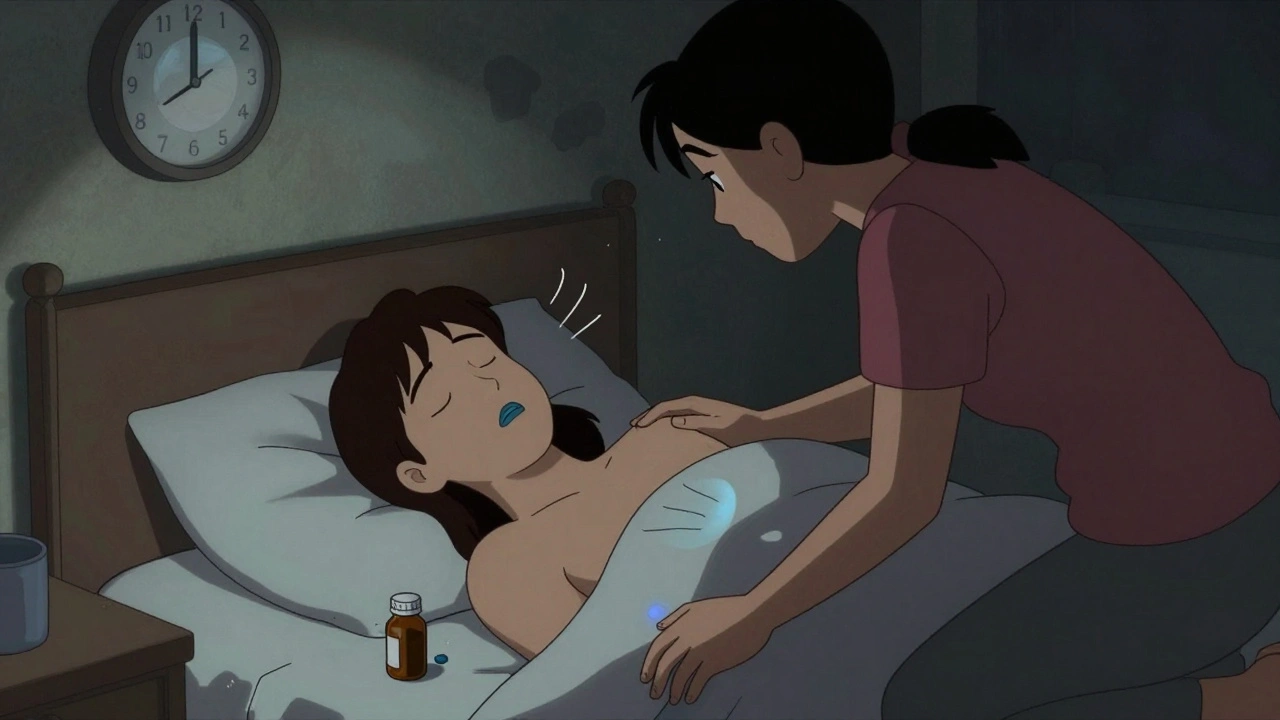
Every year, thousands of people overdose on sedatives and sleep medications-often because no one recognizes the warning signs until it’s too late. These drugs, prescribed to help with anxiety or insomnia, can turn deadly when taken in excess, mixed with alcohol, or used long-term. Unlike opioids, where pinpoint pupils and slow breathing are obvious red flags, sedative overdoses creep up quietly. Someone might just seem "too sleepy"-so much so that bystanders assume they’re passed out from a long day, not dying from respiratory failure.
What Happens When You Take Too Much?
Sedatives and sleep meds work by slowing down your central nervous system. That’s why they help you relax or fall asleep. But when you take too much, that slowdown goes too far. Your brain stops telling your body to breathe. Your heart rate drops. Your blood pressure falls. Your body temperature plummets. And if this isn’t reversed quickly, your lungs stop working entirely. The most dangerous drugs in this category include benzodiazepines like alprazolam (Xanax), diazepam (Valium), and zolpidem (Ambien), as well as older barbiturates and over-the-counter sleep aids containing diphenhydramine (like Tylenol PM or Benadryl). Even melatonin, often thought of as harmless, can cause nausea and dizziness in massive doses-but it rarely causes breathing problems. Prescription sedatives? That’s a different story.The Warning Signs: From Subtle to Life-Threatening
Recognizing an overdose isn’t about spotting one symptom. It’s about seeing a pattern. Here’s how it typically unfolds:- Unresponsiveness: Can you wake this person? Shout their name. Shake their shoulder. Do a sternal rub (rub your knuckles hard on the center of their chest). If they don’t react at all, that’s a major red flag. This isn’t deep sleep. This is unconsciousness.
- Slurred speech: If they’re still awake but talking like they’re drunk-even if they haven’t had alcohol-that’s a sign their brain is being suppressed. Studies show this happens in 87% of benzodiazepine overdoses.
- Slow, shallow breathing: Count their breaths for 30 seconds. Normal is 12 to 20 breaths per minute. If they’re taking fewer than 8 breaths in a full minute, they’re in immediate danger. Breathing that’s irregular, gasping, or silent means their body is shutting down.
- Cyanosis: Look at their lips, fingertips, and nail beds. Are they turning blue? That means oxygen levels have dropped below 90%. This is a late but unmistakable sign of respiratory failure.
- Cold, clammy skin: Their body temperature may drop below 95°F (35°C). This isn’t just feeling chilly-it’s your body losing the ability to regulate itself.
- Loss of coordination: They can’t stand, walk, or hold a cup. Their movements are unsteady, like they’re drunk. This is called ataxia, and it’s common in 76% of cases.
- Vomiting: Nausea and vomiting happen in over 40% of cases. But if they’re unconscious and vomiting, they’re at risk of choking. Turn them on their side immediately.
Not All Sleep Aids Are the Same
It’s easy to assume all sleep medications act the same. They don’t. The risks vary wildly by type:- Benzodiazepines (Xanax, Valium, Ambien): These are the most common culprits in overdoses. They cause deep sedation but often leave vital signs like heart rate and blood pressure relatively stable-until they don’t. That’s why people think they’re fine until it’s too late.
- Barbiturates (phenobarbital): Rarely prescribed today, but still dangerous. They depress breathing much more severely than benzodiazepines and can kill at lower doses.
- OTC sleep aids (diphenhydramine): These can cause hallucinations, seizures, rapid heartbeat, and urinary retention at high doses. Overdose isn’t always about breathing-it’s about toxic overload on the nervous system.
- Melatonin: Even at 60 times the normal dose, it rarely causes breathing problems. The worst you’ll see is headache and dizziness.
The Deadly Mix: Alcohol and Opioids
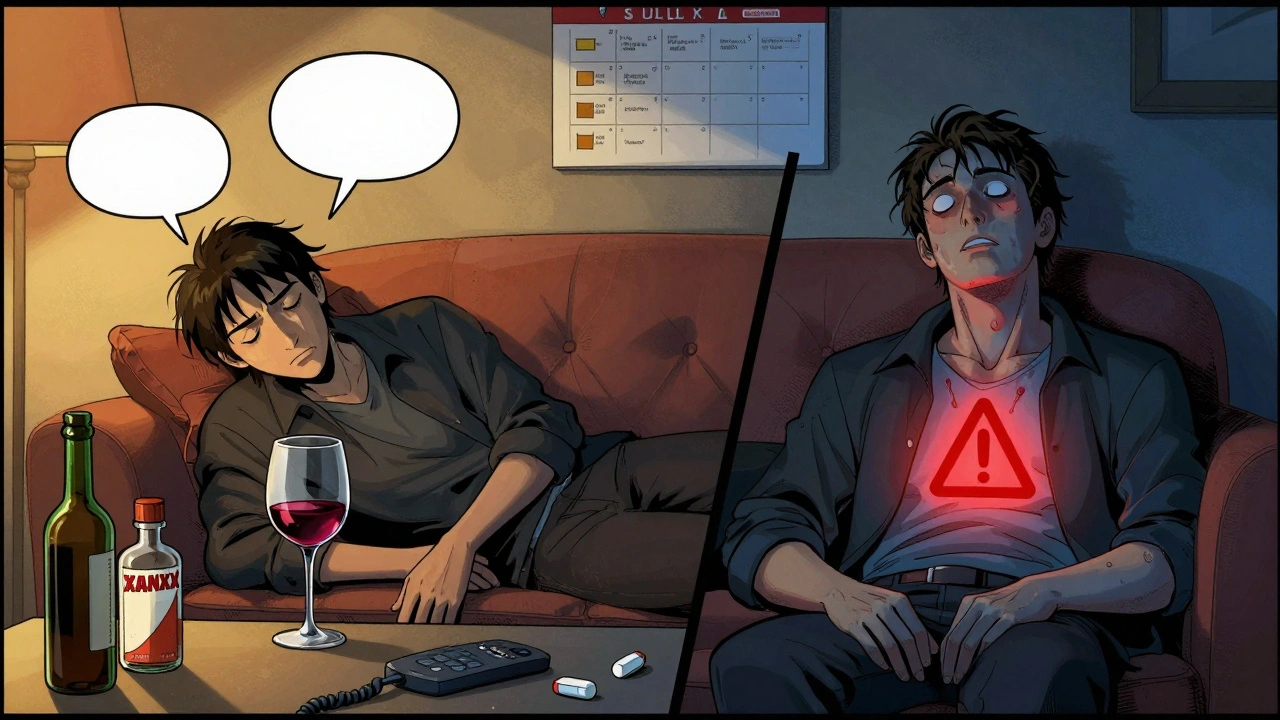
One of the biggest risks isn’t taking too much of one drug-it’s mixing them. Sedatives and alcohol are a lethal combo. Both depress the brain. Together, they multiply each other’s effects. In fact, 41% of fatal sedative overdoses involve alcohol. Even more dangerous? Mixing sedatives with opioids like fentanyl, heroin, or oxycodone. The CDC found that 23% of benzodiazepine-related deaths in 2021 also involved fentanyl. The result? Breathing stops completely, and the body has no backup. This combination is responsible for the sharp rise in overdose deaths over the last decade.What You Must Do Right Now
If you suspect someone has overdosed on a sedative or sleep med:- Check responsiveness. Shout. Shake. Sternal rub. If no reaction, assume emergency.
- Check breathing. Count for 30 seconds. Multiply by two. If it’s under 12 breaths per minute, call 911 immediately.
- Look for blue lips or cold skin. These mean oxygen is failing.
- Call emergency services. Don’t wait. Don’t try to wake them with cold water or coffee. Don’t assume they’ll sleep it off. Every minute counts.
- Place them on their side. If they’re vomiting or unconscious, this prevents choking.
- Stay with them. Monitor breathing until help arrives. If they stop breathing, start rescue breathing-mouth-to-mouth or using a mask if available.
Why People Delay Calling for Help
A 2022 study of over 1,200 overdose cases found that 68% of bystanders didn’t call 911 right away. Why? They thought the person was just "really tired," "drunk," or "just sleeping hard." Reddit users shared stories like: "I thought my roommate was just exhausted from work," or "I assumed the slurred speech was from drinking." But here’s the truth: sedative overdose doesn’t look like a nap. It looks like a person who can’t be woken up, isn’t breathing properly, and is turning blue. Delaying help reduces survival chances by 7-10% per minute, according to a 2022 meta-analysis.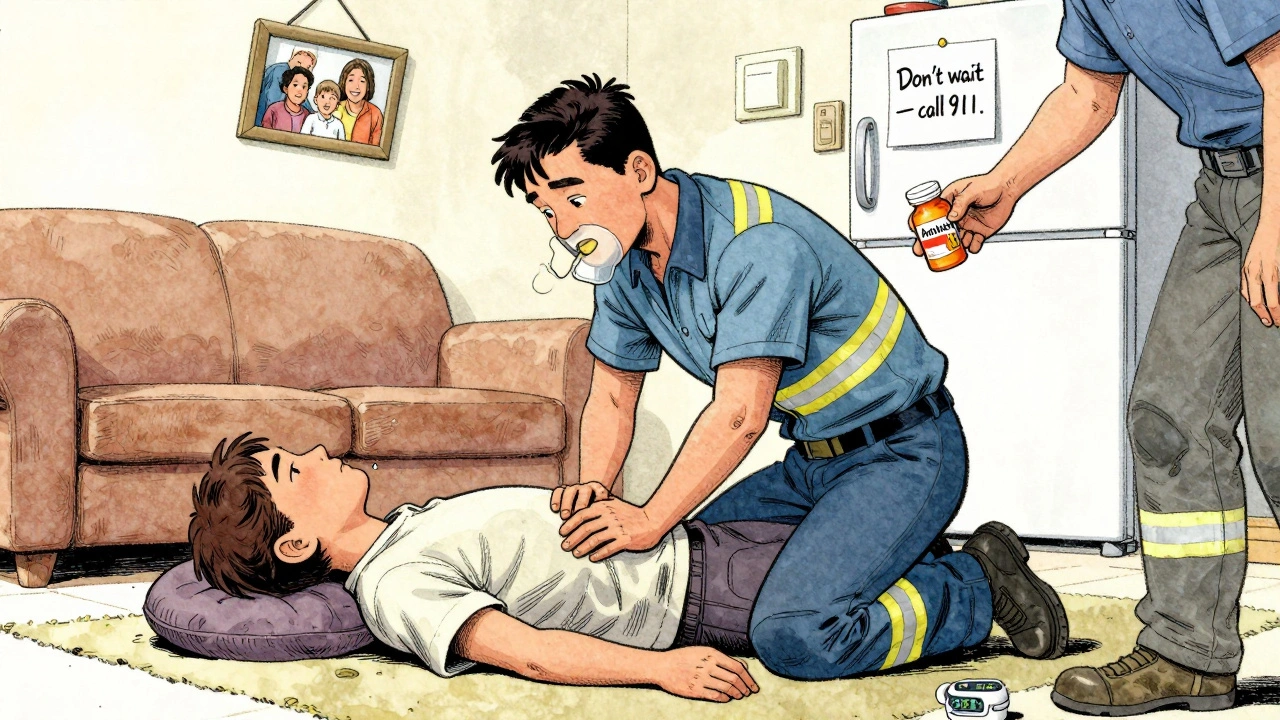
What You Shouldn’t Do
- Don’t give them flumazenil. This is the only antidote for benzodiazepine overdose, but it’s dangerous outside a hospital. It can trigger seizures in people who are dependent on the drug.
- Don’t try to make them vomit. If they’re unconscious, they could choke.
- Don’t leave them alone. Even if they seem to wake up, their breathing can stop again.
- Don’t assume it’s just one pill. People often take more because they don’t feel the effect right away. A single extra pill can push someone into overdose.
Who’s at Highest Risk?
The data shows clear patterns:- People aged 25-54 are most affected.
- Women are more likely to be prescribed these drugs-and more likely to overdose on them.
- Those with multiple prescriptions from different doctors are at higher risk.
- People with a history of substance use disorder or mental health conditions are especially vulnerable.
- West Virginia has the highest overdose death rate-3.8 per 100,000 people. The national average is 1.2.
What’s Changing in 2025?
New tools are emerging to help. The FDA approved intranasal midazolam (Nayzilam) for emergency use. Hospitals are now using pulse oximeters that monitor oxygen levels continuously-catching drops before breathing stops. California’s "Don’t Die" campaign handed out 250,000 overdose recognition cards to pharmacies. Early results show a 22% improvement in bystander recognition. But the most powerful tool remains awareness. If you or someone you know uses these medications, know the signs. Talk about it. Keep the medication container handy in case of emergency. Don’t wait for a tragedy to learn what to do.Can you overdose on Ambien or other "Z-drugs"?
Yes. Ambien (zolpidem) and similar "Z-drugs" are benzodiazepine-like sedatives. While they’re designed to be safer than older drugs, overdose is still possible-especially when taken with alcohol, opioids, or in high doses. Symptoms include extreme drowsiness, confusion, slowed breathing, and loss of consciousness. Over 12,500 deaths in 2021 involved benzodiazepines or Z-drugs, according to the National Institute on Drug Abuse.
Is it safe to take sleep meds every night?
No. Long-term use increases tolerance, dependence, and overdose risk. The FDA warns that even when taken as directed, these drugs can cause complex sleep behaviors like sleepwalking, driving, or eating while asleep. Most doctors recommend using them for no more than 7-10 days in a row. If you need help sleeping long-term, talk to a doctor about behavioral therapy or other non-drug options.
Can you die from a melatonin overdose?
It’s extremely rare. Melatonin is a hormone, not a CNS depressant. Even at doses 60 times higher than normal (up to 240mg), the worst effects are headache, dizziness, nausea, and daytime sleepiness. There are no documented cases of respiratory failure or death from melatonin alone. But it can interact with other medications, so always check with a doctor before mixing it with sedatives or blood thinners.
What should I do if I find an empty pill bottle next to an unresponsive person?
Call 911 immediately. Don’t wait. Don’t assume they’re fine. Bring the bottle to the hospital if you can-it helps doctors identify the drug and choose the right treatment. Even if you’re unsure what was taken, assume it’s an overdose. Emergency responders are trained to handle this, and your quick action could save a life.
Can naloxone (Narcan) reverse a sedative overdose?
No. Naloxone only works on opioids. It has no effect on benzodiazepines, barbiturates, or other sedatives. If someone is overdosing on sleep meds, naloxone won’t help. But if they’ve mixed sedatives with opioids, naloxone can still be life-saving. If you’re unsure what was taken, give naloxone anyway-it won’t hurt, and it might help. But always call 911 regardless.
How long does it take for a sedative overdose to become fatal?
It can happen in under 30 minutes, especially if the person has taken a large dose or mixed drugs. Respiratory depression builds slowly, but once breathing drops below 8 breaths per minute, death can follow within minutes. The CDC and American College of Medical Toxicology agree: any unresponsive person with breathing under 10 per minute needs emergency care immediately. There is no safe waiting period.


Mark Curry
Been there. Saw my cousin go quiet after mixing Xanax with wine. Looked like he was napping. Turned out his breathing was at 5 per minute. We called 911. He’s alive today because we didn’t assume he was just drunk.
These meds are silent killers. People don’t realize how fast it happens.
sean whitfield
So what you’re saying is the government wants you scared of sleep aids but not opioids? Classic. They’ll sell you benzos like candy then act shocked when you OD. Wake up people. This is all about control.
aditya dixit
Important post. Many in my country still think Ambien is safe because it’s prescribed. I’ve seen young adults take 4 pills to sleep and wonder why they wake up groggy for days. Education is the first step.
Always keep the bottle when giving meds to someone. Helps medics know what they’re dealing with.
Ada Maklagina
My mom took too much diphenhydramine once. Thought it was just a bad night. She was talking nonsense and couldn’t stand. We rushed her. She’s fine now but it scared the hell out of us.
Don’t wait. Just call.
Katie Allan
This is exactly the kind of information we need to spread. Not just for yourself but for your friends, your coworkers, your neighbors. Someone out there might be silently struggling with sleep and meds. Knowing these signs could save their life.
Share this. Print it. Put it on the fridge.
James Moore
Let’s be honest-this whole system is broken. Big Pharma pushes these drugs like candy, doctors hand them out like candy, and then when people die, we act like it’s some tragic accident. It’s not an accident-it’s negligence. And now they’re pushing intranasal midazolam? That’s just another profit center. They don’t care if you live or die-they care if you keep buying.
Chris Brown
People who take these drugs are irresponsible. If you can’t sleep without chemical crutches, then you’re weak. You should be doing yoga, meditating, or reading a book. Not popping pills like they’re Skittles. This is what happens when society loses its moral compass.
Stephanie Fiero
Wait so melatonin is safe?? I took 100mg once because I was stressed and I was fine. My friend said I was glowing and talking to the wall. But no breathing issues. So yeah, the real danger is the prescription stuff. Don’t let them scare you about melatonin. It’s just a hormone. Not a drug.
Laura Saye
It’s heartbreaking how many people don’t recognize the signs because they’ve internalized the idea that "sleeping hard" is normal. I’ve worked in ER for 12 years. The ones who survive are the ones who had someone who noticed the blue lips or the shallow breath. It’s not about being a hero-it’s about being present. And presence is the rarest thing these days.
Check on your people. Even if they seem fine. Even if they say they’re okay.
Krishan Patel
West Virginia has the highest rate? Of course. They let anyone get prescriptions. No background checks. No limits. This is why we need stricter controls. People here treat medicine like a vending machine. You want sleep? Take two. You want calm? Take four. And then you wonder why you’re dead. This isn’t freedom-it’s stupidity.
Juliet Morgan
I used to take Ambien every night. Didn’t think it was a big deal. Then I woke up driving my car at 3am. No memory of leaving the house. That’s when I stopped. I’m not saying don’t use them-but if you’re relying on them for more than a week, talk to someone. There’s help. You’re not alone.
Lucy Kavanagh
Did you know the FDA approved this stuff because Big Pharma bribed the regulators? And now they’re pushing these "recognition cards" like it’s a Band-Aid? They’re not fixing the problem-they’re just making you feel better about buying more pills. Wake up. This is all a scam.
Michael Dioso
And yet you still didn’t mention that naloxone doesn’t work on sedatives. That’s the whole point of this post. You think people are dumb? They’re not. They just don’t know. And if you’re not telling them, who is? Stop acting like you’re the only one who gets it. This info is life-or-death. Don’t be a jerk about it.