Biologic Therapy: What It Is, How It Works, and Which Conditions It Treats
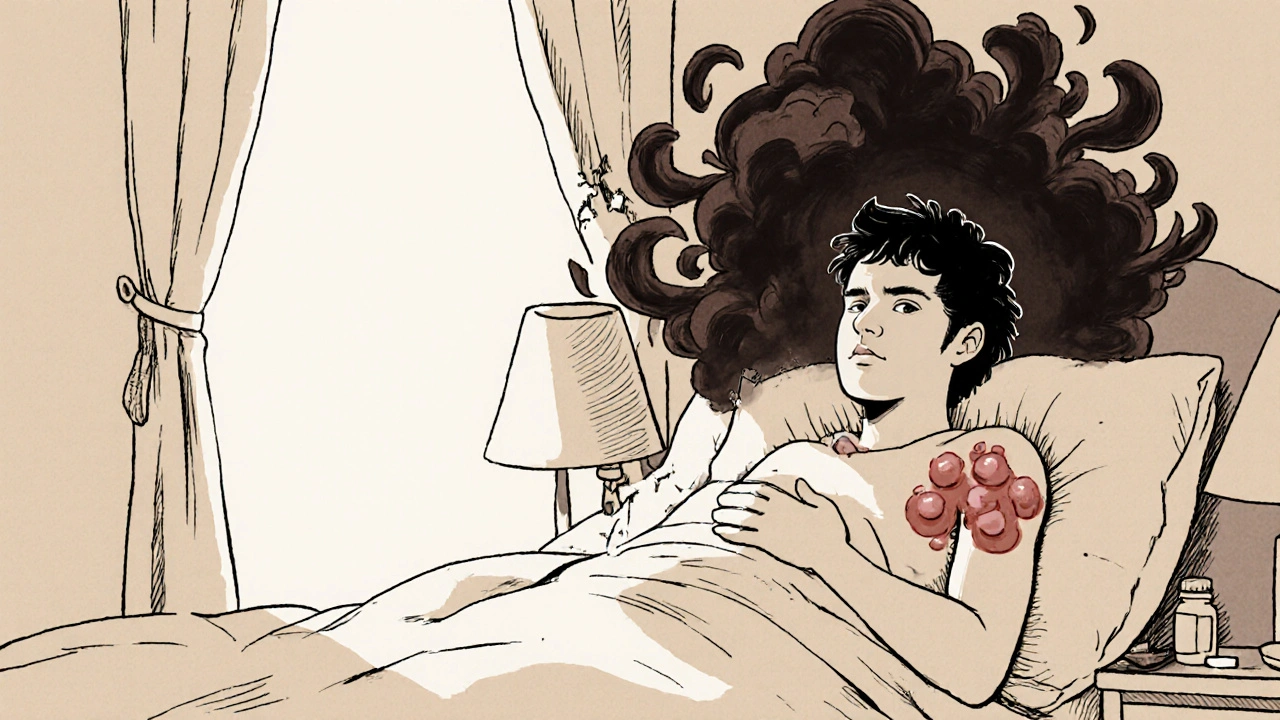
When doctors talk about biologic therapy, a type of treatment made from living cells or proteins that targets specific parts of the immune system. Also known as biologics, it’s not like regular pills or injections you’ve taken before—it’s designed to block specific molecules that cause inflammation, not just calm symptoms broadly. These drugs are used for conditions where the body turns on itself, like rheumatoid arthritis, psoriasis, Crohn’s disease, and multiple sclerosis. Unlike traditional drugs that affect the whole body, biologics act like precision tools, going after only the troublemakers in your immune system.
Biologic therapy often works when other treatments fail. For example, someone with severe psoriasis might try creams and light therapy for years, then switch to a biologic and see their skin clear up in weeks. It’s the same with rheumatoid arthritis—many patients go from constant pain to walking without help after starting a biologic. But they’re not magic. They can increase infection risk, require regular monitoring, and cost thousands per month. That’s why they’re usually tried after older, cheaper drugs don’t work. What makes them unique is how they’re made: grown in labs using living cells, not chemically synthesized. This also means they can’t be copied exactly like generics—instead, similar versions called biosimilars are developed, which are close but not identical.
Biologic therapy is closely tied to targeted therapy, a treatment approach that focuses on specific biological pathways involved in disease. Also known as precision medicine, it’s the reason why two people with the same diagnosis might get completely different drugs. Your genes, your immune markers, your history—all these help doctors pick the right biologic for you. That’s why pharmacogenomics testing, which looks at how your body processes drugs, is becoming more common before starting treatment. And because biologics affect the immune system, they’re also part of a bigger group called immunotherapy, treatments that change how your immune system behaves. Also known as immune-modulating therapy, this includes everything from cancer drugs to biologics for autoimmune conditions. The goal is always the same: restore balance, not suppress everything.
You’ll find posts here that dig into how biologics interact with other drugs, why some people stop responding over time, and what alternatives exist when they don’t work. You’ll also see how these treatments fit into real-life care—for older adults managing multiple meds, parents of kids with chronic illness, or people trying to avoid surgery. There’s no one-size-fits-all answer, but understanding how biologic therapy works gives you the power to ask better questions and make smarter choices with your doctor.