Nasal Dryness: Causes, Relief, and Medications That Worsen It
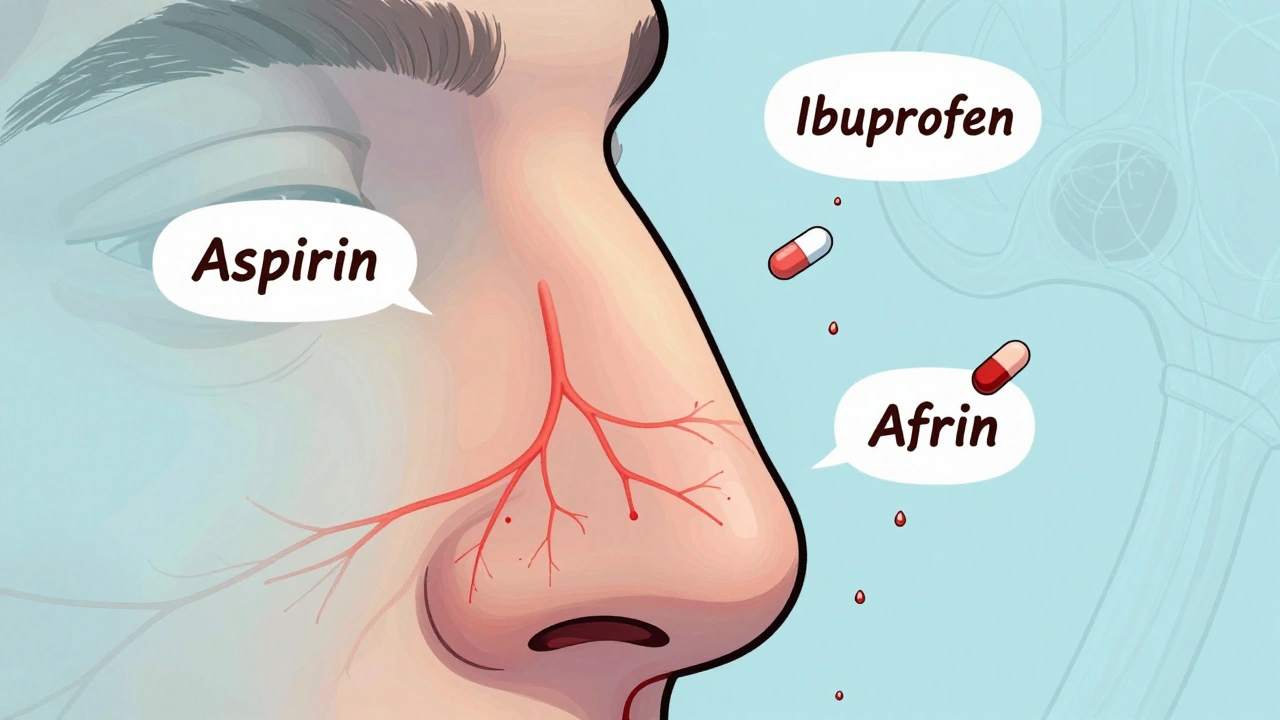
When your nose feels scratchy, tight, or like it’s full of dust, you’re dealing with nasal dryness, a common condition where the inside of the nose loses moisture, leading to irritation, cracking, or even bleeding. Also known as dry nose, it’s not just a nuisance—it’s a sign something’s off in how your body is handling air, meds, or environment. Most people ignore it until it bleeds or hurts to breathe. But this isn’t just about discomfort. Chronic nasal dryness can make you more prone to infections, worsen allergies, and even mess with your sense of smell.
One of the biggest culprits? decongestants, medications like pseudoephedrine or oxymetazoline that shrink blood vessels to unblock your nose. They work fast—but they also strip moisture from nasal tissues. Use them longer than a few days, and your nose becomes dependent, drier, and more irritated. Then there’s antihistamines, common in allergy pills like Zyrtec or Claritin, which reduce mucus but also dry out every mucous membrane in your body. If you’re taking these daily for allergies or colds, your nose is likely paying the price. Even some blood pressure meds, antidepressants, and hormone therapies can cause this. It’s not just weather or low humidity—it’s often what you’re putting into your body.
What’s worse is that people keep reaching for the same meds that caused the problem in the first place. You get a dry nose, take another decongestant, and the cycle keeps going. Real relief comes from breaking that loop. Saline sprays, humidifiers, and avoiding over-the-counter nasal sprays for more than three days in a row can help. But if you’re on long-term meds and your nose feels like sandpaper, it’s not normal—it’s a side effect you need to talk about with your doctor.
Below, you’ll find real stories and science-backed fixes from people who’ve been there. Some discovered their dry nose was linked to a medication they didn’t realize was the problem. Others found simple swaps that brought relief without pills. This isn’t about quick fixes—it’s about understanding what’s really going on inside your nose, and how to fix it for good.