Pharmaceutical Costs: Why Medications Price So Much and How to Save
When you pick up a prescription, the price tag often feels random—sometimes it’s a few dollars, other times it’s hundreds. That’s because pharmaceutical costs, the total price patients and insurers pay for prescription drugs, shaped by patents, manufacturing, and market rules. Also known as drug pricing, it’s not just about how much it costs to make the pill—it’s about who controls the market. The real question isn’t why drugs are expensive, but why some drop 80% overnight while others stay sky-high.
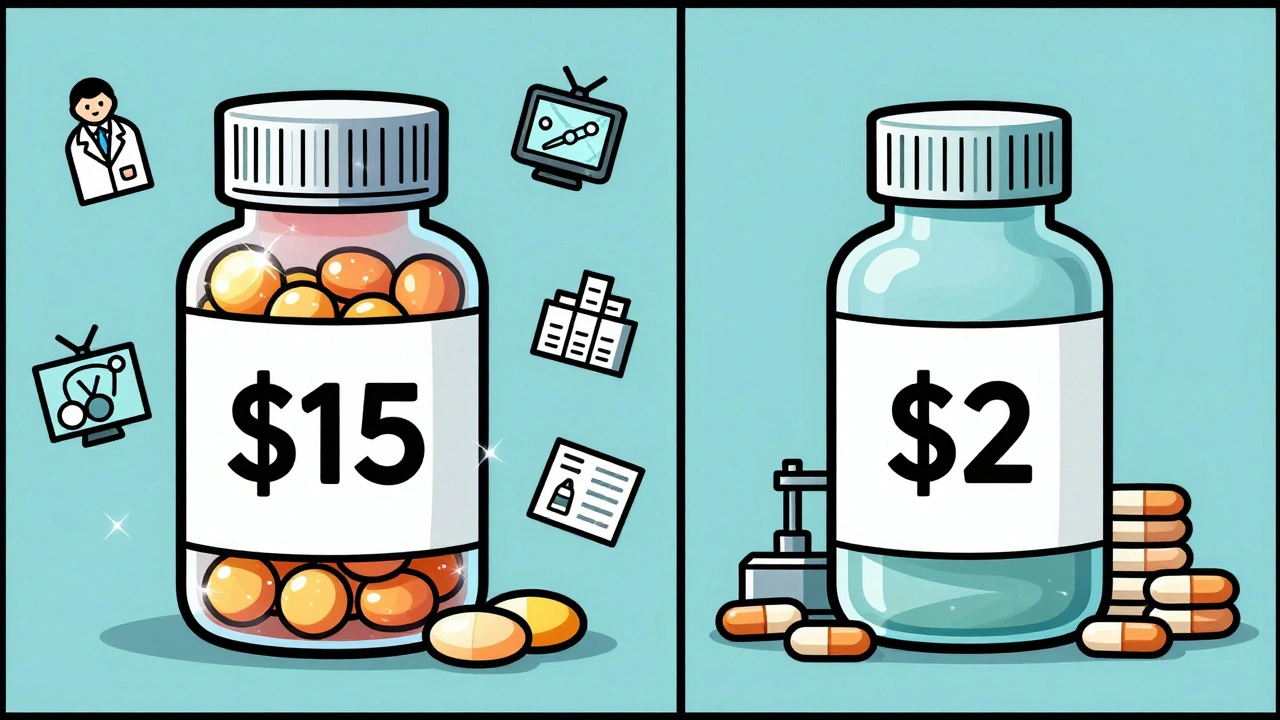
One big reason prices stay high is patent expiration, the legal window when drug makers lose exclusive rights to sell a medicine. Before that, companies charge what they want. After? Generics flood in and prices crash. But here’s the catch: many brands use tricks—like filing dozens of minor patents—to delay this drop, a practice called "patent thickets." That’s why a drug like insulin or a cancer treatment might cost $500 even after 20 years on the market. Meanwhile, generic drugs, medicines with the same active ingredients as brand-name versions but without the marketing costs, can be 90% cheaper… if they’re allowed to enter the market.
Not all drugs are created equal. Some, like narrow therapeutic index (NTI) generics, medications where even tiny dosage changes can cause serious harm, face tougher approval rules. That’s why you might pay more for a generic thyroid pill than a generic antibiotic—it’s harder to make safely. And then there’s the issue of orphan drug exclusivity, a system that gives companies 7 years of monopoly on drugs for rare diseases, even if they cost pennies to produce. These rules were meant to encourage innovation, but they’ve also created pricing loopholes that leave patients stuck paying thousands for pills that could cost less.
It’s not just about the pill. It’s about how you get it. Medicare Part D plans, pharmacy benefit managers, and insurance rebates all shuffle money behind the scenes—often making the sticker price meaningless. A senior might pay $50 for a drug one month, then $200 the next, because their plan changed its formulary. That’s why knowing your options matters more than ever. Some people save by switching to generics, others by ordering from international pharmacies (though that comes with risks), and some just by asking their doctor for samples or patient assistance programs.
What you’ll find below isn’t just a list of articles—it’s a practical guide to navigating this mess. From how pharmaceutical costs affect children’s asthma meds to why switching to a generic lithium pill can be dangerous, these posts break down real cases where price, safety, and access collide. You’ll learn how to spot when a drug’s price hike isn’t justified, how to talk to your pharmacist about cheaper alternatives, and why some medications stay expensive even when they’ve been around for decades. This isn’t theory. It’s what’s happening in clinics, pharmacies, and living rooms across the country—and how you can take back control.