Respiratory Depression: Causes, Risks, and Medications That Can Trigger It
When your breathing slows down too much, it’s called respiratory depression, a life-threatening condition where the body doesn’t get enough oxygen because breathing becomes too shallow or too slow. Also known as hypoventilation, it doesn’t just happen during sleep—it can be triggered by everyday medications, especially when mixed together. This isn’t rare. Emergency rooms see it all the time, often after someone takes too much pain medicine, sleeps with a sedative, or combines prescriptions without knowing the risks.
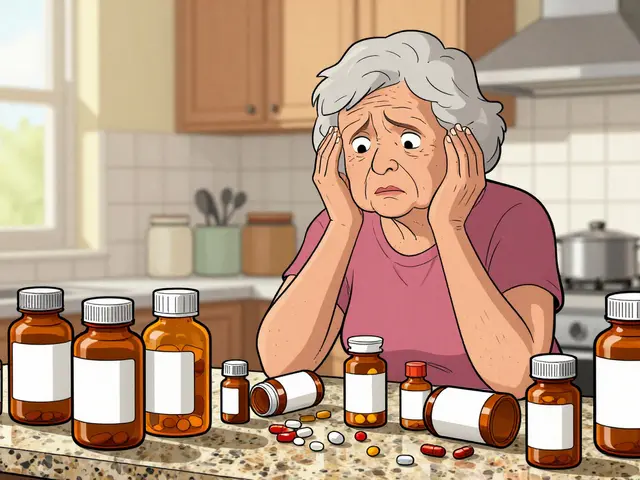
It’s not just opioids like oxycodone or fentanyl that cause this. benzodiazepines, a class of drugs used for anxiety, insomnia, and seizures—including diazepam and alprazolam can do the same thing, especially when taken with painkillers. Even over-the-counter antihistamines like diphenhydramine, found in sleep aids and allergy pills, can slow breathing in older adults or when taken in high doses. sedative drugs, any medication that depresses the central nervous system—whether prescribed or bought online—carry this risk. The problem gets worse with age, kidney or liver disease, or if you’re taking more than one of these drugs at once. You don’t need to be a drug user to be at risk. Sometimes, it’s just one extra pill added to a routine.
What makes respiratory depression so dangerous is how quiet it is. People don’t always gasp or choke. They just stop breathing deeply enough. Their oxygen levels drop slowly. Their heart struggles. Brain damage can start in minutes. That’s why recognizing the signs matters: unusual drowsiness, confusion, slow or irregular breathing, blue lips or fingertips, or not waking up easily. If you or someone you care for is on any of these medications, talk to your doctor about the risks. Don’t assume it’s safe just because it’s prescribed. Many people don’t realize that a simple change—like switching from one painkiller to another, or adding a sleep aid—can tip the balance.
The posts below cover real cases and real risks. You’ll find how diphenhydramine overdose can lead to respiratory failure, why combining lithium with NSAIDs puts extra strain on the body, and how sedating medications increase fall risk in older adults—not just because they’re dizzy, but because breathing slows too. There’s also deep dives into how complex generics like inhalers work, why some drugs are harder to approve, and how age changes the way your body handles medicine. These aren’t theoretical discussions. They’re based on what’s happening in clinics, pharmacies, and emergency rooms right now. What you read here could help you spot a problem before it becomes an emergency.