Sedating Medications: What They Are, How They Work, and What to Watch For
When you take a sedating medication, a drug that slows down brain activity to cause drowsiness, reduce anxiety, or induce sleep. Also known as central nervous system depressants, these drugs are often prescribed for insomnia, anxiety, seizures, or nausea—but they’re not harmless. Many people assume if a pill makes them sleepy, it’s just a side effect. But for some, that drowsiness isn’t a side effect—it’s the whole point. The problem? Not everyone knows which drugs do this, who’s most at risk, or how to avoid dangerous mix-ups.
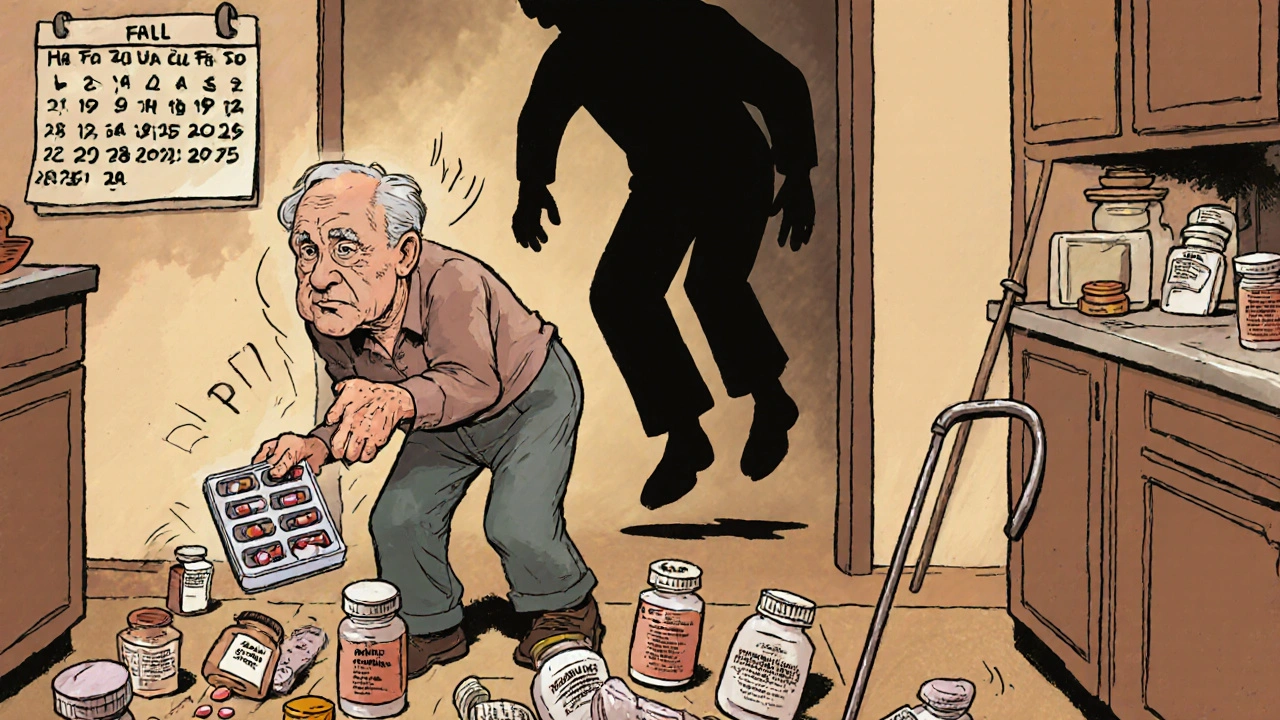
Common antihistamines, like diphenhydramine and doxylamine, used in allergy and sleep aids are among the most widely used sedating drugs. You’ll find them in over-the-counter sleep pills, cold meds, and even some pain relievers. Then there are benzodiazepines, such as lorazepam and diazepam, used for anxiety and muscle spasms. These work fast but can lead to dependence if taken too long. And don’t forget antipsychotics, like quetiapine and olanzapine, often prescribed off-label for sleep or agitation. Even though they’re meant for serious mental health conditions, doctors sometimes use them for insomnia because they knock people out. The real danger? These drugs don’t just make you tired—they slow your reflexes, blur your vision, and increase fall risk, especially in older adults.
Some of the posts below show how these drugs interact with others. For example, combining a sedating antihistamine with a benzodiazepine can turn a mild nap into a dangerous drop in breathing. Others reveal how people mistake medication-induced drowsiness for aging or depression. You’ll find real cases where people took Zyrtec-D for allergies and ended up too groggy to drive. Others switched to a generic version of an antipsychotic and suddenly couldn’t get out of bed. One article even explains why some seniors on multiple meds end up in the ER—not from an overdose, but from the slow buildup of sedation over weeks.
There’s no one-size-fits-all answer. What works for one person might leave another barely able to stand. Genetics, age, liver function, and other meds all play a role. That’s why knowing what’s in your bottle matters more than ever. The articles here don’t just list drugs—they show you how to spot the signs of too much sedation, when to ask your doctor to switch, and how to avoid the hidden traps in your medicine cabinet.