Signs of Overdose: What to Watch For and When to Act
When someone takes too much of a medication—or mixes it with something else—their body can’t handle it. This is a signs of overdose, a set of physical and mental symptoms that occur when the body is overwhelmed by a drug or combination of drugs. Also known as drug toxicity, it can happen with prescription pills, over-the-counter meds, or even supplements. It’s not always obvious. Sometimes it looks like sleepiness. Other times, it’s seizures, confusion, or a racing heart. The key is knowing what’s normal and what’s dangerous.
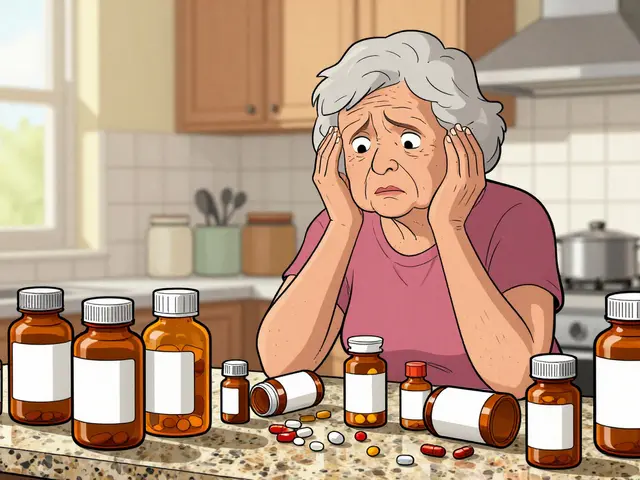
Medication toxicity, the harmful effect of drugs at high doses doesn’t always come from illegal substances. It’s often from common pills: diphenhydramine in allergy meds, lithium for bipolar disorder, or even painkillers like ibuprofen when taken with other drugs. These interactions can quietly build up, especially in older adults or people taking multiple prescriptions. For example, combining lithium with an NSAID like ibuprofen can spike lithium levels to dangerous points, causing tremors, confusion, or kidney failure. Or taking too much Benadryl—thinking it’s just a sleep aid—can lead to hallucinations, fast heartbeat, or even cardiac arrest. These aren’t rare cases. They happen every day.
Overdose symptoms, the visible warning signs that the body is under toxic stress vary by drug. With opioids, breathing slows until it stops. With stimulants like ADHD meds, the heart races and body temperature spikes. With sedatives, the person can’t stay awake or respond. Antihistamines like diphenhydramine cause dry mouth, blurred vision, and confusion that looks like dementia. Lithium toxicity brings nausea, shaking, and odd movements. There’s no single checklist, but some red flags are universal: extreme drowsiness, unresponsiveness, vomiting, irregular heartbeat, or seizures. If someone’s acting strangely after taking meds, don’t wait. Don’t assume they’re just tired or drunk. That’s when you act.
Knowing what to look for isn’t just about spotting danger—it’s about stopping it before it’s too late. Many overdoses happen because people don’t recognize the early signals. A loved one seems "off" but brushes it off. A parent thinks their child’s drowsiness is normal after school. An older adult takes an extra pill because they didn’t feel the effect. These are the moments that turn into emergencies. The good news? You don’t need to be a doctor to help. You just need to know the signs and act fast.
Below, you’ll find real cases and clear guidance on what to do when things go wrong—from recognizing the first warning signs to understanding which medications carry the highest risk. These aren’t theoretical discussions. They’re based on actual emergencies, patient stories, and clinical evidence. Whether you’re caring for someone on chronic meds, managing your own prescriptions, or just want to be prepared, this collection gives you the facts you need to respond quickly, safely, and confidently.