Wrong Pediatric Dose: Risks, Causes, and How to Prevent Medication Errors in Children
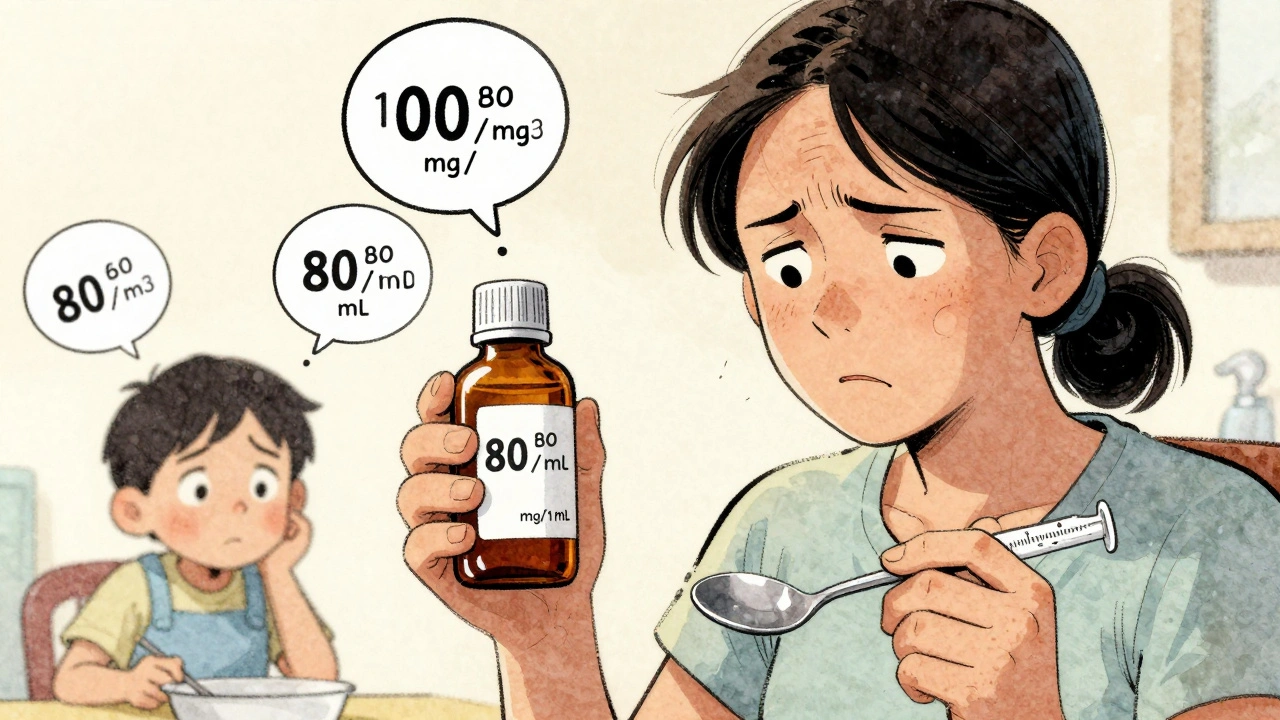
When a child gets the wrong pediatric dose, the consequences aren’t just risky—they can be life-threatening. Children aren’t small adults. Their bodies process drugs differently, and even a tiny miscalculation—like giving 5 mL instead of 0.5 mL—can turn a harmless medicine into a danger. This isn’t rare. Studies show that over 40% of medication errors in hospitals happen in pediatric units, and many more occur at home when parents guess dosages based on age or weight. It’s not about being careless. It’s about how complex and confusing pediatric dosing really is.
pediatric medication errors, mistakes in drug type, amount, or timing given to children that lead to harm. Also known as child drug dosing errors, these often happen because labels are unclear, measuring tools are inaccurate, or caregivers rely on outdated charts. generic drugs for kids, lower-cost versions of brand-name medications used in children. Also known as pediatric generics, they’re widely prescribed—but switching brands without checking concentration can cause overdoses, especially with liquid forms like amoxicillin or albuterol. medication safety children, the practices and systems designed to prevent harmful drug reactions in kids. Also known as pediatric drug safety, it includes using proper measuring devices, double-checking with doctors, and knowing which meds are unsafe for young bodies. Even something as simple as confusing teaspoons with milliliters can be deadly. And when parents switch between brand and generic versions without realizing the concentration changed, the risk multiplies. The same medicine might come in 125 mg/5 mL or 250 mg/5 mL—and mixing those up is a common cause of overdose.
Many of the articles in this collection show how these errors happen in real life: a child gets too much diphenhydramine because the bottle says "12.5 mg per 5 mL" but the parent thinks it’s "12.5 mg per teaspoon," or a child on lithium gets ibuprofen for a fever, triggering toxic buildup. Others highlight how pediatric medication errors spike when caregivers are tired, stressed, or using kitchen spoons instead of syringes. You’ll find guides on how to use spacers for asthma inhalers correctly, why some generics aren’t safe for kids with chronic conditions, and how to spot signs of sedative overdose in children. There’s even a deep dive into why switching to generic asthma meds can backfire if the formulation isn’t identical.
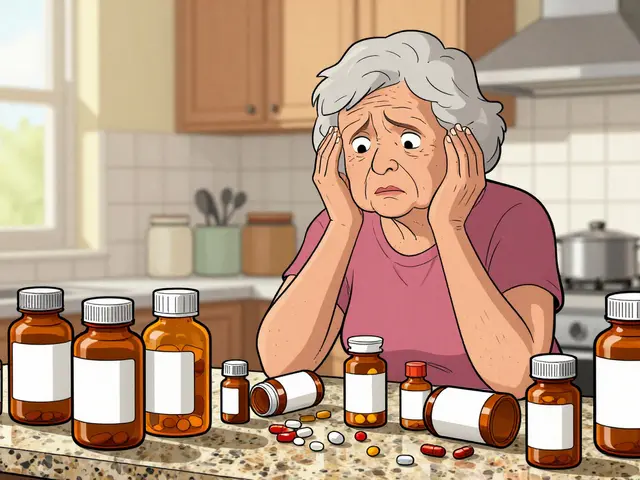
This isn’t about blaming parents or doctors. It’s about making the system work better. The tools are there—oral syringes, clear labels, weight-based dosing charts. But they’re not always used. What you’ll find here isn’t theory. It’s real-world advice from parents, nurses, and pharmacists who’ve seen what happens when a dose goes wrong. And how to stop it before it’s too late.