
Switching from a brand-name drug to a generic version is supposed to be simple-same active ingredient, same effect, lower cost. But for some people, it’s not that straightforward. You might start taking a generic version of your blood pressure pill, thyroid med, or antidepressant, and within days, something feels off. Headaches. Swelling. Heart palpitations. A rash you’ve never had before. You might wonder: Is this just my body adjusting… or is something more serious going on?
Why Do Generic Medications Cause Unexpected Reactions?
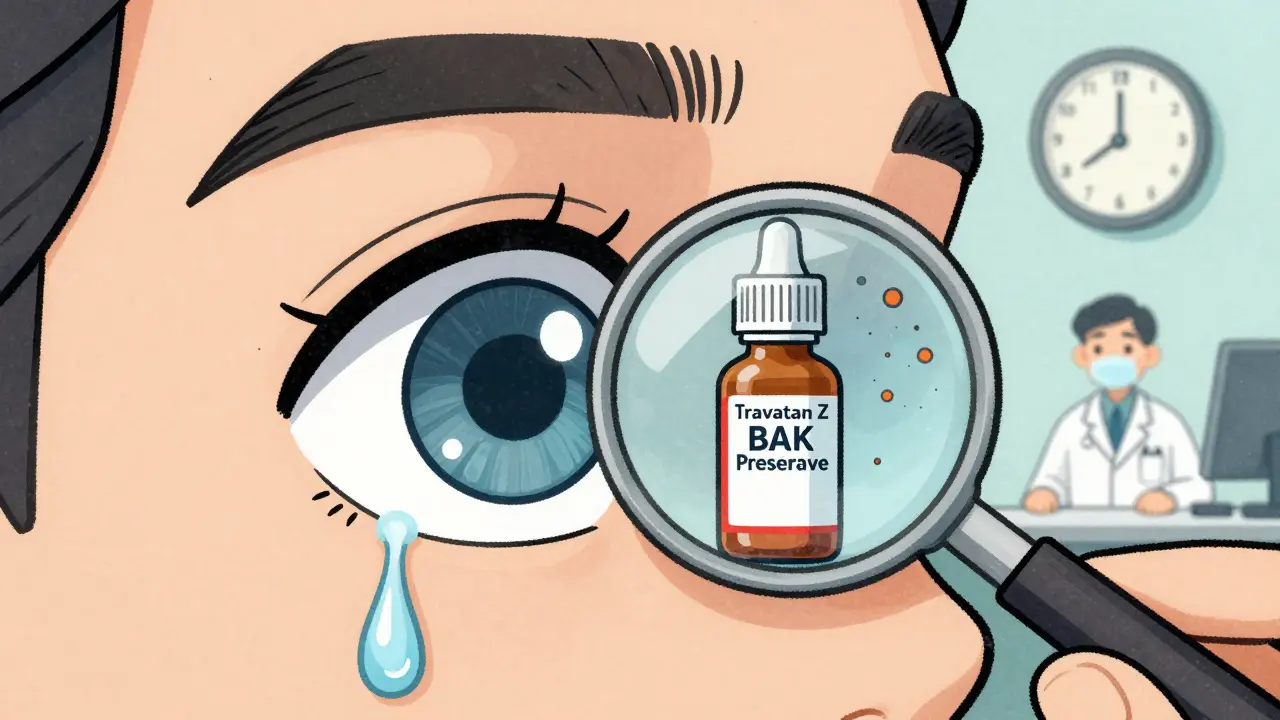
Generic drugs are required by the FDA to contain the same active ingredient as the brand-name version, in the same strength and dosage form. That’s the law. But what’s not required to be identical? The inactive ingredients-the fillers, dyes, preservatives, and flavorings that hold the pill together or make it easier to swallow. These are called excipients, and they vary wildly between manufacturers. For example, one generic version of levothyroxine (used for hypothyroidism) might use lactose as a filler. Another might use cornstarch. If you’re lactose intolerant, even a tiny amount can throw off your digestion, which then messes with how your body absorbs the thyroid hormone. That’s not a defect in the drug-it’s a mismatch between your body and the formulation. The same thing happens with eye drops. The brand-name Travatan Z uses a preservative called SofZia. Many generic versions use benzalkonium chloride (BAK), which is cheaper but known to irritate sensitive eyes. Patients switching to these generics have reported burning, redness, and blurred vision-symptoms that disappeared when they went back to the original brand. Even manufacturing differences matter. A 2018 recall of the blood thinner valsartan affected over 2 million people because a chemical contaminant, NDMA (a probable carcinogen), showed up in batches from one overseas factory. That wasn’t the active ingredient. It was a byproduct of how the drug was made.Which Medications Are Most Likely to Cause Problems?
Not all generics are created equal. Some medications have what’s called a narrow therapeutic index-meaning the difference between a helpful dose and a dangerous one is very small. Even a tiny change in how the drug is absorbed can lead to serious consequences. The FDA lists 18 drugs with narrow therapeutic indices. The most common ones people switch to generics for include:- Warfarin (Coumadin) - A blood thinner. Switching generics has been linked to unexpected bleeding events in 14.7% of patients, compared to just 4.2% on the brand.
- Levothyroxine (Synthroid) - For thyroid disorders. One study found that 23.7% of patients reported new symptoms like anxiety, heart palpitations, or weight changes after switching to a generic version.
- Phenytoin (Dilantin) - An anti-seizure drug. Even small changes in blood levels can trigger seizures or toxicity.
- Antidepressants and anti-anxiety meds - Like sertraline or fluoxetine. Patients report mood swings, insomnia, or brain zaps after switching manufacturers.
- Amlodipine (Norvasc) - A calcium channel blocker for high blood pressure. One patient review on Drugs.com described severe ankle swelling that vanished after switching back to the brand.
What Are the Warning Signs You Shouldn’t Ignore?
Most side effects from generics are mild and go away after a few days. But some are serious-and they need immediate attention. Here’s what to watch for:- Severe skin reactions - A red, blistering rash that spreads quickly, especially around the mouth, eyes, or genitals. This could be Stevens-Johnson Syndrome, a rare but life-threatening reaction linked to lamotrigine, allopurinol, and some antibiotics.
- Priapism - A painful, prolonged erection lasting more than four hours. This has been reported with medications like trazodone and bupropion. It can cause permanent damage if not treated right away.
- Sudden changes in heart rhythm - Fast, irregular, or pounding heartbeat after switching a blood pressure or thyroid med. This could mean your drug levels are too high or too low.
- Unexplained bleeding or bruising - Especially if you’re on warfarin or another anticoagulant.
- New or worsening seizures - If you’re on an anti-seizure drug, any change in frequency or intensity is a red flag.
- Severe gastrointestinal distress - Persistent vomiting, diarrhea, or abdominal pain lasting more than 48 hours after switching generics.
When to Call Your Doctor (Even If It Feels Minor)
You don’t need to wait for a medical emergency. If a new symptom shows up within 1-2 weeks of switching to a generic-and it doesn’t go away after 3-5 days-contact your provider. Examples:- You started a new generic version of your antidepressant and now have constant headaches.
- Your blood pressure readings are higher than usual since switching to a different generic amlodipine.
- You’ve had nausea every day since your pharmacist switched your levothyroxine to a different manufacturer.
What You Can Do to Protect Yourself
You don’t have to give up generics-they save billions in healthcare costs every year. But you can take control:- Ask your pharmacist - “Is this the same manufacturer as last time?” If it changed, ask if you can stick with the one that worked.
- Keep a medication log - Note the drug name, manufacturer, date switched, and any new symptoms. This helps your doctor spot patterns.
- Request a brand-name prescription - If you’ve had a bad reaction, your doctor can write “Do Not Substitute” on the prescription. Insurance may still cover it if you can prove the generic caused problems.
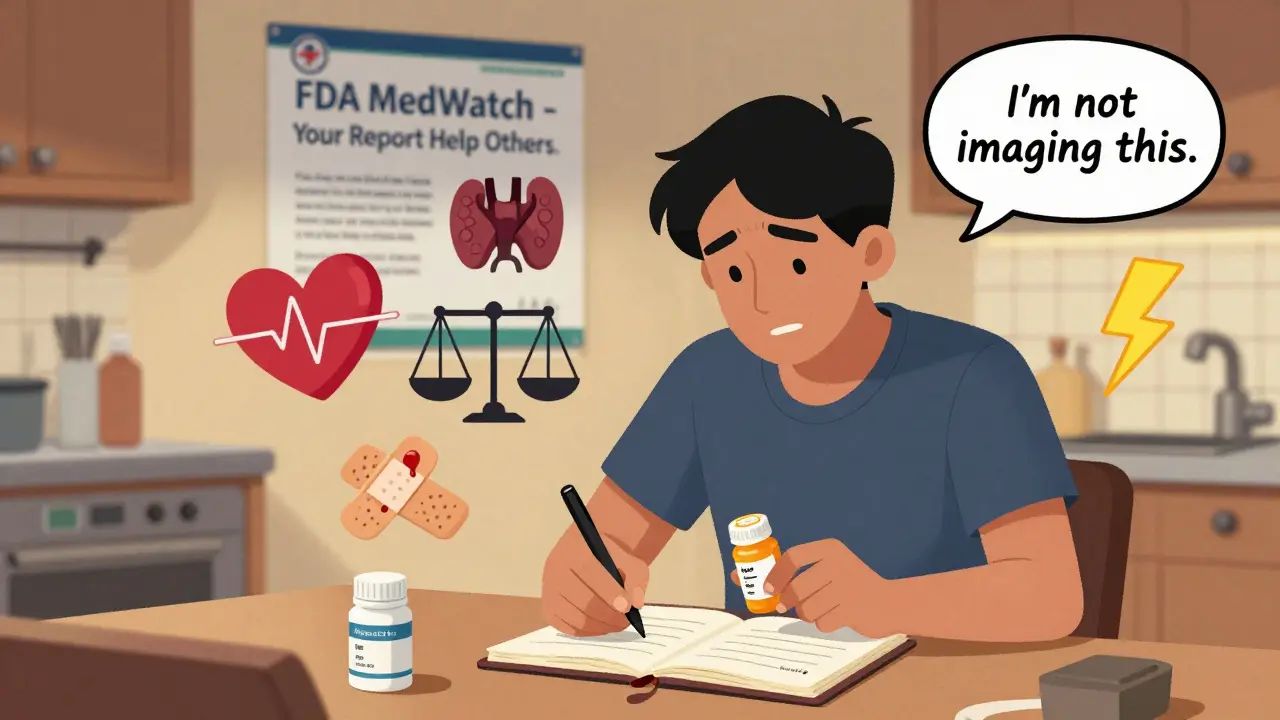
- Report side effects - Use the FDA’s MedWatch system to report any reaction. Include the manufacturer name and lot number. This helps the FDA catch dangerous batches.
What’s Changing in 2026?
The FDA is paying more attention. In March 2024, Commissioner Robert Califf announced a new Therapeutic Equivalence Advisory Committee focused on high-risk drugs like thyroid and anti-seizure meds. A proposed law, the Generic Drug Safety Act, would require manufacturers to notify doctors and pharmacists whenever they change excipients. The goal? More transparency. Less guesswork. Fewer patients caught off guard by a pill that looks the same but feels different. For now, the system still relies on you to speak up. If something feels wrong after a switch, it probably is. Don’t assume it’s just stress or aging. Don’t stop the medication cold. Talk to your doctor. Document it. And know that you’re not alone-thousands of people have been through the same thing.Can generic medications really be less effective than brand-name drugs?
Legally, generics must be bioequivalent to the brand-name version-meaning they deliver the same amount of active ingredient into your bloodstream within a narrow range. But bioequivalence doesn’t guarantee identical side effects. Differences in inactive ingredients, manufacturing processes, or how the drug is released in your body can lead to different experiences. For most people, generics work just fine. For some-especially those on narrow therapeutic index drugs-they don’t.
Why do I react to one generic but not another?
Each manufacturer uses different fillers, binders, dyes, and coatings. One generic version of levothyroxine might use lactose; another might use sucrose. If you’re sensitive to lactose, you’ll react to one but not the other. Even the shape or size of the pill can affect how quickly it dissolves. That’s why switching between generics-even if they’re both “generic”-can trigger side effects.
Should I avoid generics altogether?
No. Generics are safe and effective for the vast majority of people. Over 90% of prescriptions in the U.S. are filled with generics, and they’ve saved the healthcare system trillions. The key is awareness. If you’ve had a bad reaction before, ask for the same manufacturer. If you’re on a high-risk medication like warfarin or thyroid hormone, monitor your symptoms closely after any switch. Don’t assume all generics are interchangeable.
How do I find out which company made my generic drug?
Look at the prescription label. The manufacturer’s name is usually printed on the bottle or blister pack. If it’s not clear, ask your pharmacist. Many pharmacies now use electronic labels that show the manufacturer and lot number. Keep this information-especially if you’re on a medication with a narrow therapeutic index. It’s your best tool for tracking side effects.
Can I switch back to the brand-name drug if generics cause problems?
Yes. If you’ve had a confirmed reaction to generics, your doctor can write a prescription with “Dispense as Written” or “Do Not Substitute.” Insurance may still cover the brand if you can show medical necessity. Some patients with thyroid or seizure disorders have successfully appealed for brand-name coverage after documenting side effects from generics.
Are generic drugs made in the U.S. safer?
Not necessarily. About 73% of the active ingredients in U.S. generics come from overseas-mostly India and China. The FDA inspects foreign facilities, but inspection delays are common. That doesn’t mean all foreign-made generics are unsafe. But it does mean quality control can vary. The best approach is to track which manufacturer works for you, regardless of where it’s made.
Next Steps: What to Do Today
If you’re on a generic medication and have had no issues-great. Keep taking it. But if you’ve noticed any new symptoms since your last refill, take action now:- Check your pill bottle for the manufacturer’s name and lot number.
- Review your symptoms: Did they start within 1-2 weeks of switching?
- Call your doctor or pharmacist. Don’t wait for your next appointment.
- Ask: “Could this be the generic?”
- Consider switching back to the version you were on before-if it worked.
- Report the reaction to the FDA through MedWatch. Your report helps protect others.

Aurelie L.
I switched my levothyroxine last month and woke up feeling like my heart was trying to escape my chest. No joke. I thought I was having a panic attack. Turned out it was the new generic. Took me three weeks to get my doctor to listen. Now I only take the one with the blue capsule. Don't mess with thyroid meds.
Joanna Domżalska
So let me get this straight. You're saying a pill that's legally required to be the same as the brand name can somehow make you feel worse? That's not science. That's placebo. Or maybe you're just bad at admitting your anxiety is making you paranoid. Everyone else takes generics just fine. Why are you special?
Josh josh
bro i had the same thing with my blood pressure med. switched to generic and my ankles looked like balloons. i went back to the old one and boom. gone. no drama. just tell your pharmacist dont switch it. theyll do it anyway but at least you tried. also side note: the blue ones are better than the white ones. trust me
bella nash
It is imperative to underscore that the pharmacological equivalence mandated by the FDA pertains exclusively to the active pharmaceutical ingredient. The excipient matrix, though legally permissible to vary, may introduce significant interindividual pharmacokinetic variability, particularly in medications possessing a narrow therapeutic index. This is not anecdotal; it is empirically documented in peer-reviewed literature.
SWAPNIL SIDAM
My mom was on warfarin for 10 years. She switched generics and started bleeding from her gums. We took her to ER. They said it was the new batch. She cried for days because she thought she was dying. Now we only use the same brand. I told my doctor: don't change my meds. I'm not a lab rat.
Geoff Miskinis
How quaint. The average patient lacks the biochemical literacy to discern between bioequivalence and therapeutic equivalence. The FDA's standards are a compromise between cost and efficacy-not a guarantee of physiological identity. To suggest that a 10% variance in dissolution rate is inconsequential is to misunderstand pharmacokinetics entirely. This is why we need regulatory reform, not anecdotal complaints.
Sally Dalton
OMG I JUST REALIZED THIS HAPPENED TO ME TOO. I switched my sertraline and started having these weird brain zaps and couldn't sleep for a week. I thought I was going crazy. I went back to the old one and it was like a switch flipped. I didn't even think to tell my doctor because I thought it was 'just me'. I'm so glad someone wrote this. I'm printing this out to show my pharmacist tomorrow. thank you thank you thank you
Betty Bomber
My pharmacist just switched my amlodipine again. Same generic, different color. I didn't say anything because I didn't want to be annoying. But now I'm gonna ask next time. Maybe I'm just being extra, but if it makes me feel weird, why risk it? I'll just keep the bottle.