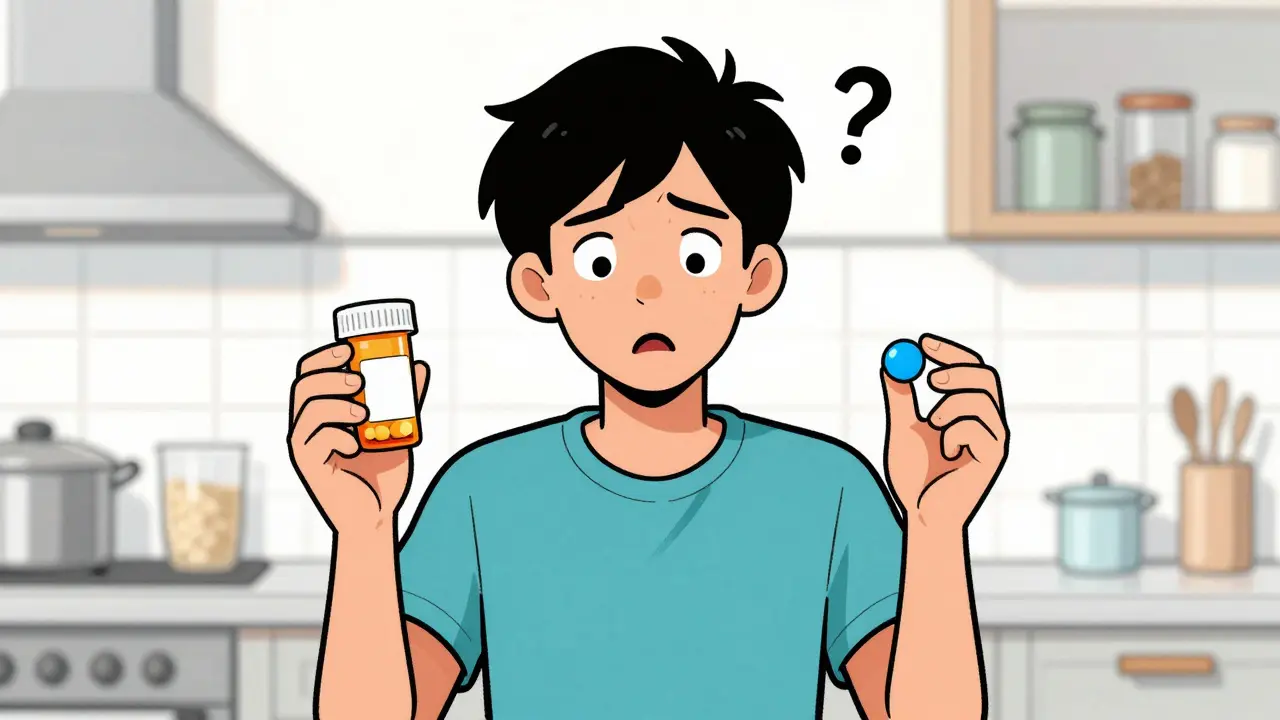
You pick up your prescription, open the bottle, and freeze. The pill is blue, but last month it was white. It's round, but it used to be oval. This is a common moment of panic for millions of people, often leading to a frantic call to the pharmacy or a quick search online. Does a different look mean the medicine isn't working? Is this a counterfeit? Or did the pharmacy just switch generic manufacturers?
The short answer is that while your medication might look like a different product entirely, it is likely designed to do the exact same thing as the brand-name version. However, understanding why this happens and how to verify your meds can save you a lot of stress and ensure your treatment remains consistent.
The Reality of Pill Appearance
It is a common misconception that generic drugs must look like the original brand. In reality, trademark laws actually prevent generic companies from making their pills look identical to the brand-name version. This means that color, shape, and size are almost guaranteed to differ. In fact, research shows that color differences occur in about 78% of cases, while shape variations appear in 65% of generics.
So, how do you know what you're taking? Every prescription medication is required by law to have a unique imprint. Imprints are the specific letters, numbers, or logos stamped directly onto a pill to identify the drug, strength, and manufacturer. If your pill changed from a white oval to a blue round one, the imprint is your primary tool for verification. If the imprint matches the drug's registered code, you're likely dealing with a legitimate substitution.
Why Your Pharmacy Switches Manufacturers
You might wonder why your pharmacy doesn't just stick with one version. Pharmacies often buy from different wholesalers based on cost, availability, and contract agreements. One month they might stock a version from Teva Pharmaceutical Industries is one of the world's largest generic drug manufacturers, known for high-volume production and a significant share of the U.S. generic market. and the next month they might switch to a product from Sandoz is a major global generic pharmaceuticals company and former Novartis spin-off.
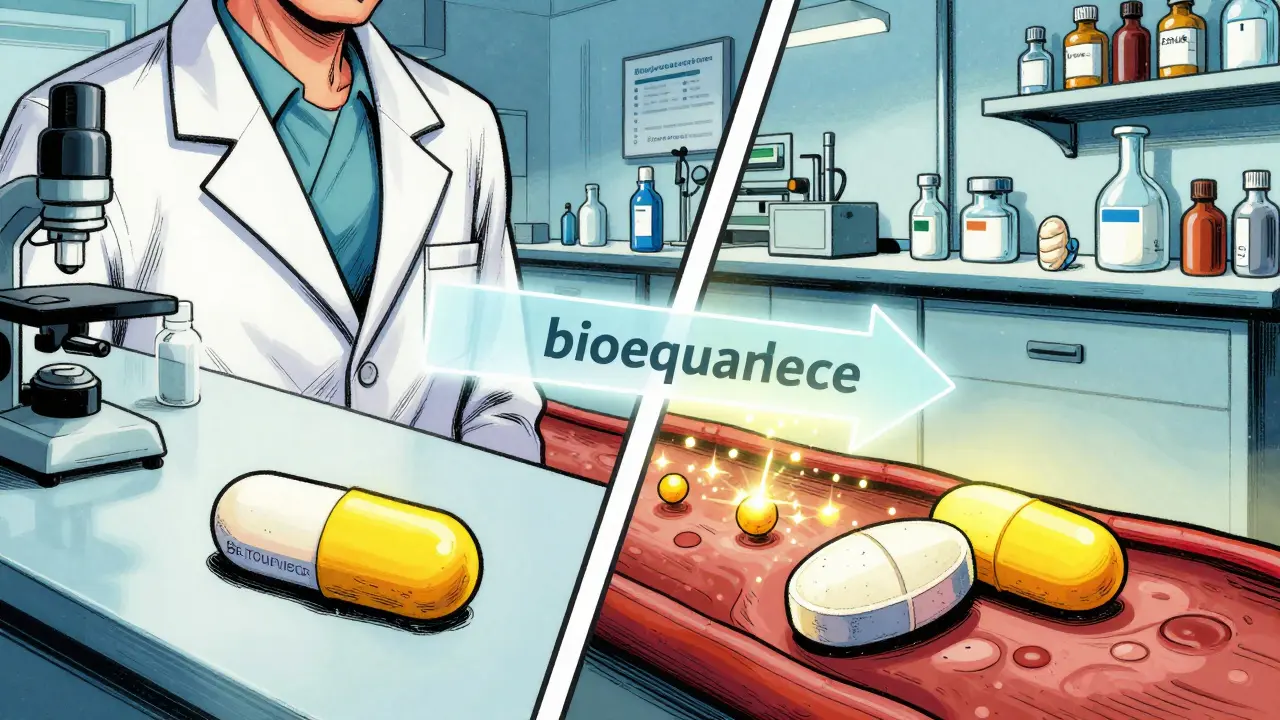
For most medications, this switch is seamless because of bioequivalence. To get approval, a generic manufacturer must prove to the FDA is the U.S. Food and Drug Administration, the federal agency responsible for protecting public health by ensuring the safety and efficacy of drugs. that their version delivers the active ingredient into the bloodstream at a similar rate and extent as the brand name. For most drugs, the absorption difference between a generic and a brand is only about 3.5%-which is often less than the variation between two different batches of the same brand-name drug.
| Feature | Brand Name | Generic Version |
|---|---|---|
| Active Ingredient | Identical | Identical |
| Inactive Ingredients | Standardized | Varies by manufacturer |
| Pill Appearance | Fixed/Trademarked | Varies (Color, Shape, Size) |
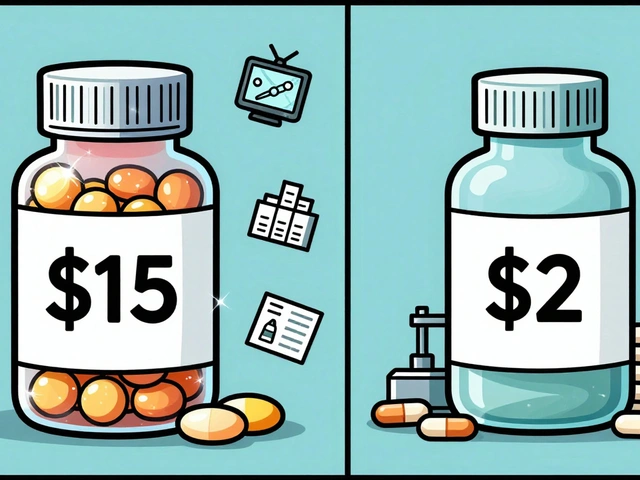
| Cost | Higher (R&D costs) | Lower (Competitive pricing) |
| Regulatory Path | New Drug Application (NDA) | Abbreviated New Drug Application (ANDA) |
When Appearance and Manufacturer Actually Matter
While bioequivalence is the gold standard, it isn't a one-size-fits-all rule. There is a specific category called Narrow Therapeutic Index (NTI) drugs are medications where small differences in dose or blood concentration can lead to serious therapeutic failure or toxicity.
If you are taking an NTI drug-such as warfarin for blood clotting or levothyroxine for thyroid issues-a tiny shift in how the drug is absorbed can be problematic. While standard generics have a bioequivalence window of 80-125%, the FDA tightens this range to 90-111% for NTI drugs to ensure stricter consistency. If you notice your pill appearance has changed while taking an NTI medication, you should contact your doctor immediately. In these cases, medical professionals often recommend staying with a single manufacturer to avoid fluctuations in how your body responds.
How to Verify Your Medication at Home
If you're staring at a pill and feeling unsure, you don't have to guess. There are professional tools you can use to cross-reference the manufacturer and the appearance.
- Use a Pill Identifier: Tools like the Drugs.com Pill Identifier allow you to input the pill's color, shape, and the specific imprint code. This will tell you exactly which company manufactured the pill and what the drug is.
- Check the Orange Book: The FDA Orange Book is the official publication listing all approved drug products and their therapeutic equivalence evaluations. It is the primary reference for determining if a generic is truly therapeutically equivalent to the brand.
- Review the NDC Code: The National Drug Code (NDC) is a unique 10 or 11-digit number on your prescription bottle. This code identifies the labeler, the product, and the package size. If you suspect a mistake, compare the NDC on your current bottle with your previous one to see if the manufacturer has changed.
Tips for Managing Generic Substitutions
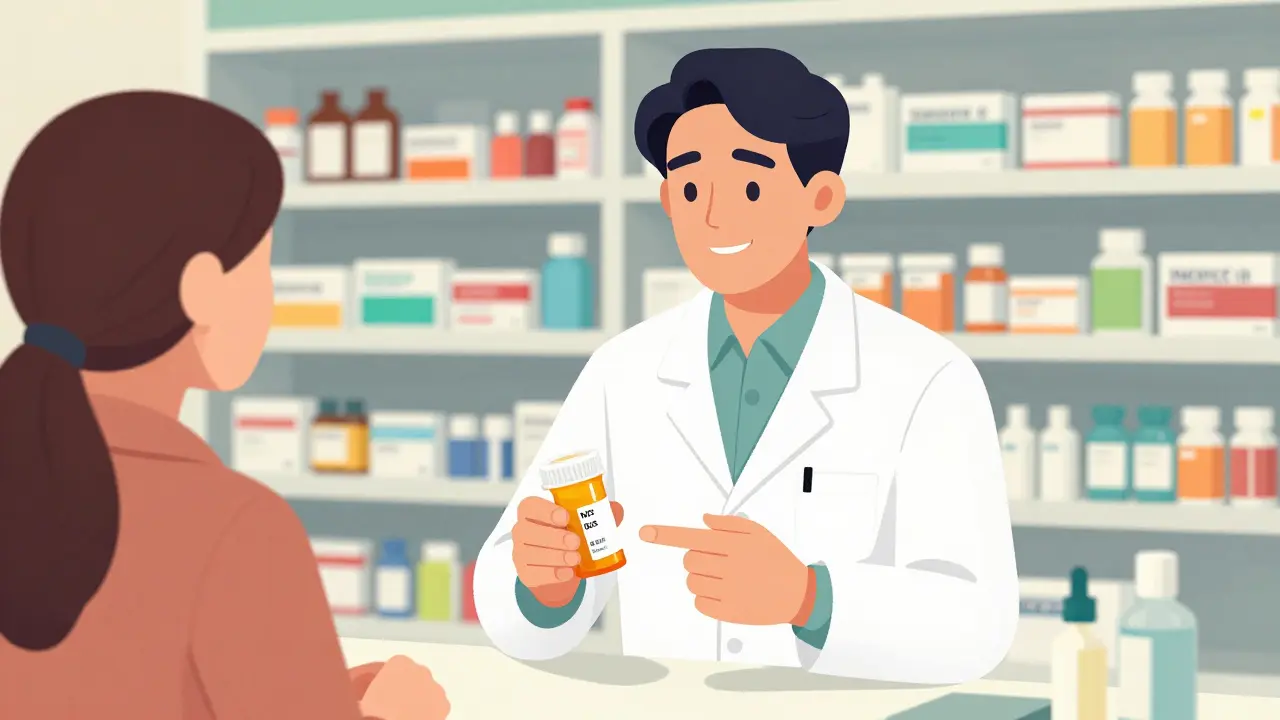
To avoid the "pill shock" of a changing appearance, you can take a proactive approach with your pharmacist. Ask for a consistency check: if a specific manufacturer is working well for you, ask the pharmacist if they can prioritize that brand in the future.
If you are on a complex medication-like an inhaler or an extended-release tablet-be aware that these "complex generics" have much stricter approval timelines and are less likely to switch frequently than a standard immediate-release tablet. If you do see a change in these, it's always worth a quick question to the pharmacist to ensure the delivery mechanism (like the spray or the slow-release coating) is identical.
Why does my generic pill look different every time I refill it?
Pharmacies often switch between different generic manufacturers based on availability and price. Because trademark laws prevent generics from looking exactly like the brand-name drug, each manufacturer uses their own unique color, shape, and size, even though the active medicine is the same.
Can different inactive ingredients affect how I feel?
For most people, inactive ingredients (fillers, binders, and dyes) have no effect. However, some people may have sensitivities or allergies to specific dyes or fillers used by one manufacturer but not another. If you develop a rash or new symptom after a manufacturer switch, notify your doctor.
Is a generic drug as strong as a brand-name drug?
Yes. The FDA requires generics to be bioequivalent, meaning they must deliver the same amount of active ingredient into your bloodstream at a similar rate as the brand-name version.
What should I do if I'm taking a Narrow Therapeutic Index (NTI) drug and the pill changes?
You should contact your healthcare provider immediately. Because NTI drugs require very precise dosing, switching manufacturers can sometimes cause slight fluctuations in efficacy. Your doctor may want to monitor you more closely or request a specific manufacturer (DAW - Dispense As Written).
How can I be 100% sure my generic is legitimate?
The best way is to use a professional pill identifier tool or check the imprint code against the FDA's database. You can also ask your pharmacist to show you the manufacturer's information via the NDC code on the prescription bottle.
Next Steps and Troubleshooting
If you are currently staring at a pill that looks "wrong," start by checking the imprint. If the imprint doesn't match any known version of your medication, do not take it. Take the bottle back to the pharmacy and ask them to verify the NDC code against the prescription record.
For those who struggle with medication adherence due to changing appearances, consider using a pill organizer. This allows you to see the transition happen over a week rather than being surprised by a new look on the first day of a new refill. If you have a documented allergy to certain dyes (like Red 40 or Yellow 5), keep a list of manufacturers you know are safe and share it with your pharmacist to prevent accidental substitutions.