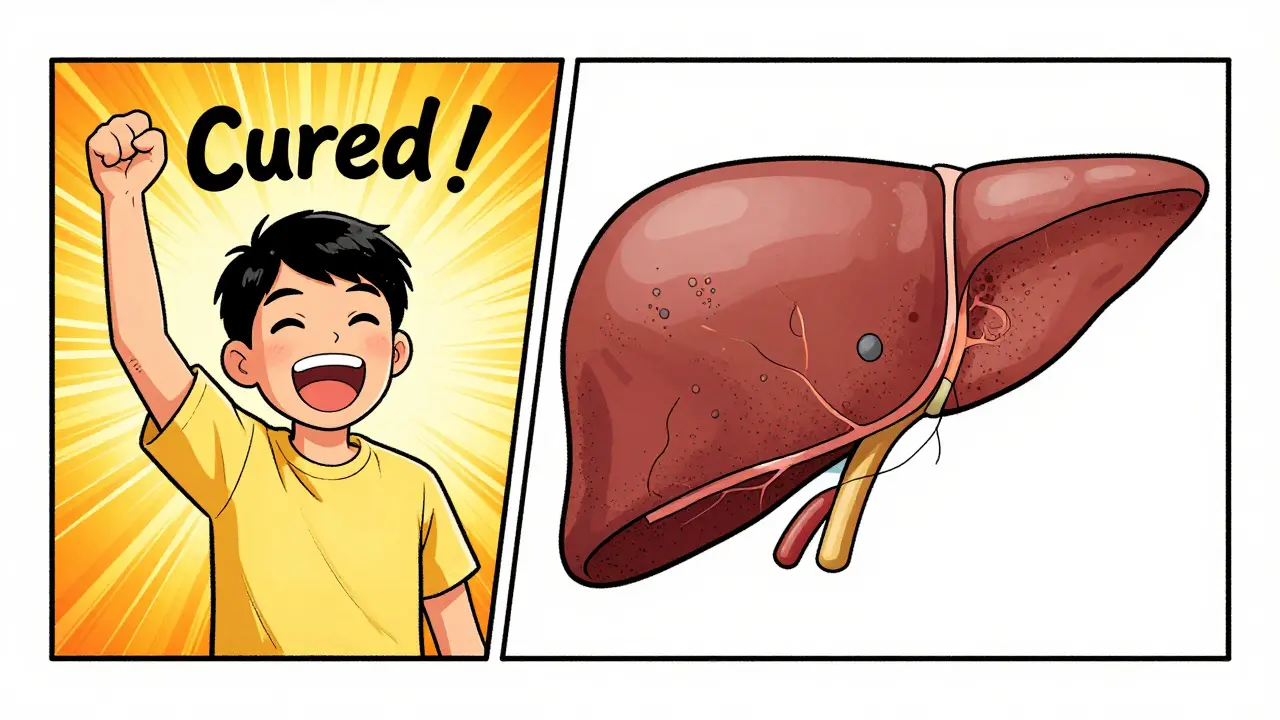
Getting a "functional cure" for hepatitis C is a massive win. When your doctor tells you that you've achieved Sustained Virologic Response (SVR)-meaning the virus is undetectable in your blood 12 to 24 weeks after treatment-it feels like the finish line. But for some people, the story doesn't end there. The big question is: if the virus is gone, is the risk of liver cancer gone too?
The short answer is no. While clearing the virus drastically drops your risk, it doesn't reset your liver to a "factory setting," especially if you had significant scarring before treatment. This creates a tricky situation where patients feel healthy and cured, yet may still need regular medical check-ups to catch cancer early. Understanding why this happens and who actually needs to stay in the surveillance loop is key to long-term survival.
The Reality of Residual Risk
It is a common misconception that SVR is a total reset button. While Direct-Acting Antivirals (DAAs) have cure rates over 95%, they treat the infection, not necessarily the damage already done to the organ. Research shows that achieving SVR can reduce the risk of Hepatocellular Carcinoma (HCC)-the most common type of primary liver cancer-by about 71% to 79% compared to people who remain infected.
Even with that huge drop, the risk doesn't hit zero for everyone. For people with cirrhosis, the incidence of HCC after a cure is roughly 2.12 to 2.28 per 100 person-years. To put that in perspective, untreated cirrhotic patients face a much higher rate of about 4.53 per 100 person-years. The danger persists because the "molecular scars" remain. Biological pathways involving cell proliferation and inflammation often fail to return to normal, meaning the environment in the liver remains prone to cancer even without the virus triggering it.
Who Actually Needs Ongoing Screening?
Not everyone who beats hepatitis C needs to spend their life in a doctor's office. The deciding factor is almost always the amount of liver scarring, or fibrosis, present at the time of treatment or shortly after. If you had minimal liver damage, your risk of HCC after SVR is extremely low, and routine screening usually isn't necessary.
However, if you have advanced fibrosis (Stage F3) or cirrhosis (Stage F4), the conversation changes. Doctors use a few specific tools to decide if you stay on the surveillance list:
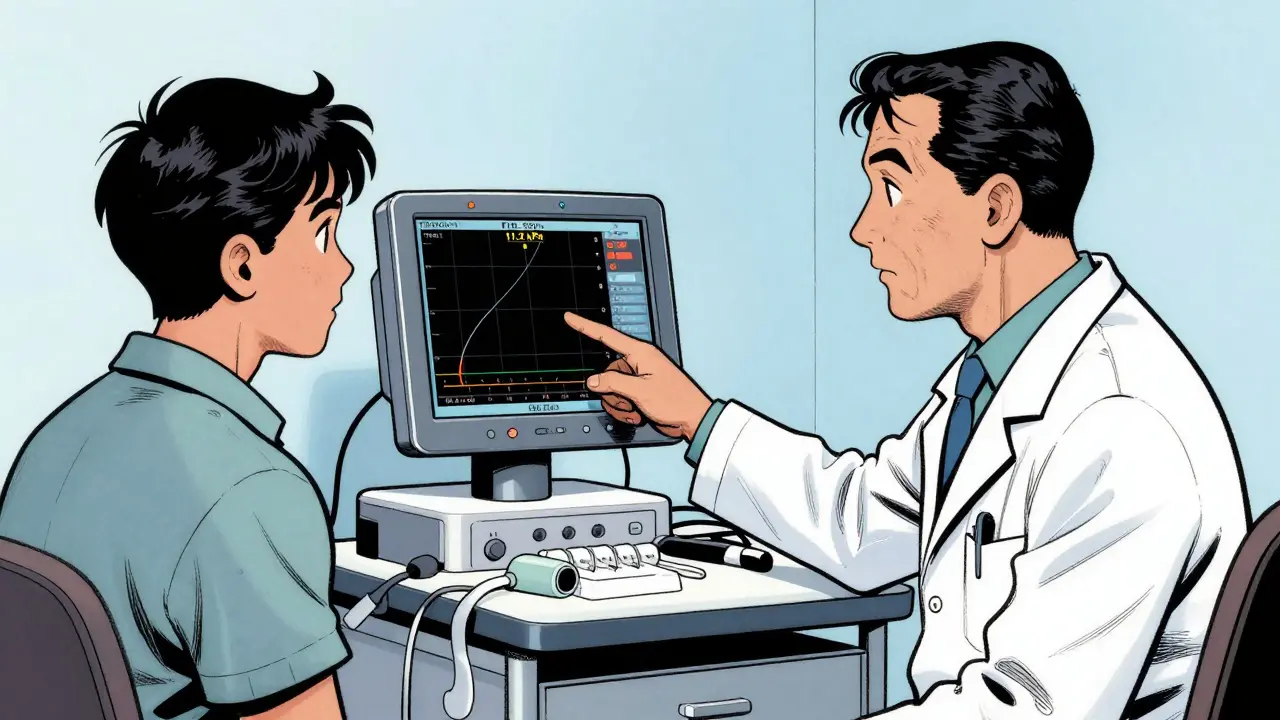
- Transient Elastography (often called a FibroScan): This measures liver stiffness. If your reading is above 11.2 kPa after SVR, you're generally considered at higher risk.
- FIB-4 Index: A calculation using your age and a few blood tests. A score higher than 3.25 is a red flag that ongoing monitoring is needed.
| Liver Condition | HCC Risk Level | Typical Recommendation |
|---|---|---|
| No/Mild Fibrosis (F0-F2) | Very Low | No routine surveillance |
| Advanced Fibrosis (F3) | Moderate | Debated (Depends on Guideline) |
| Cirrhosis (F4) | Significant | Lifelong semiannual screening |
The Great Divide: US vs. Europe
If you ask a doctor in New York and a doctor in Berlin about an F3 patient (advanced fibrosis but not quite cirrhosis), you might get two different answers. There is a real "transatlantic divide" in how this is handled.
The European Association for the Study of the Liver (EASL) takes a more cautious approach. They recommend screening every six months for anyone with F3 or F4 liver damage. Their logic is simple: ultrasound is relatively cheap, and the cost of missing a cancer diagnosis is catastrophic. They also worry that some patients are accidentally misclassified as F3 when they actually have cirrhosis.
On the other hand, the American Association for the Study of Liver Diseases (AASLD) is more conservative with screenings. They generally don't recommend routine surveillance for F3 patients who have achieved SVR, arguing that the absolute risk is too low to justify lifelong medical visits. They reserve the "indefinite" screening mandate primarily for those with confirmed cirrhosis.
The Danger of the "Cure" Mindset
One of the biggest hurdles in liver health isn't the medicine-it's the psychology. When a patient hears they are "cured," they often stop seeing their hepatologist entirely. This is a dangerous trap. Because SVR makes you feel better and stabilizes your liver disease, you might not feel "sick," which leads to a lapse in screening.
Data shows that only about 25% of eligible people actually stick to their recommended semiannual ultrasound screenings after achieving SVR. This is a massive gap in care. It's vital to realize that while the liver cancer risk has dropped, it hasn't vanished. The goal of surveillance is to find nodules when they are small and treatable, rather than finding them when they cause symptoms, at which point it's often too late.
What's Next? The Future of Surveillance
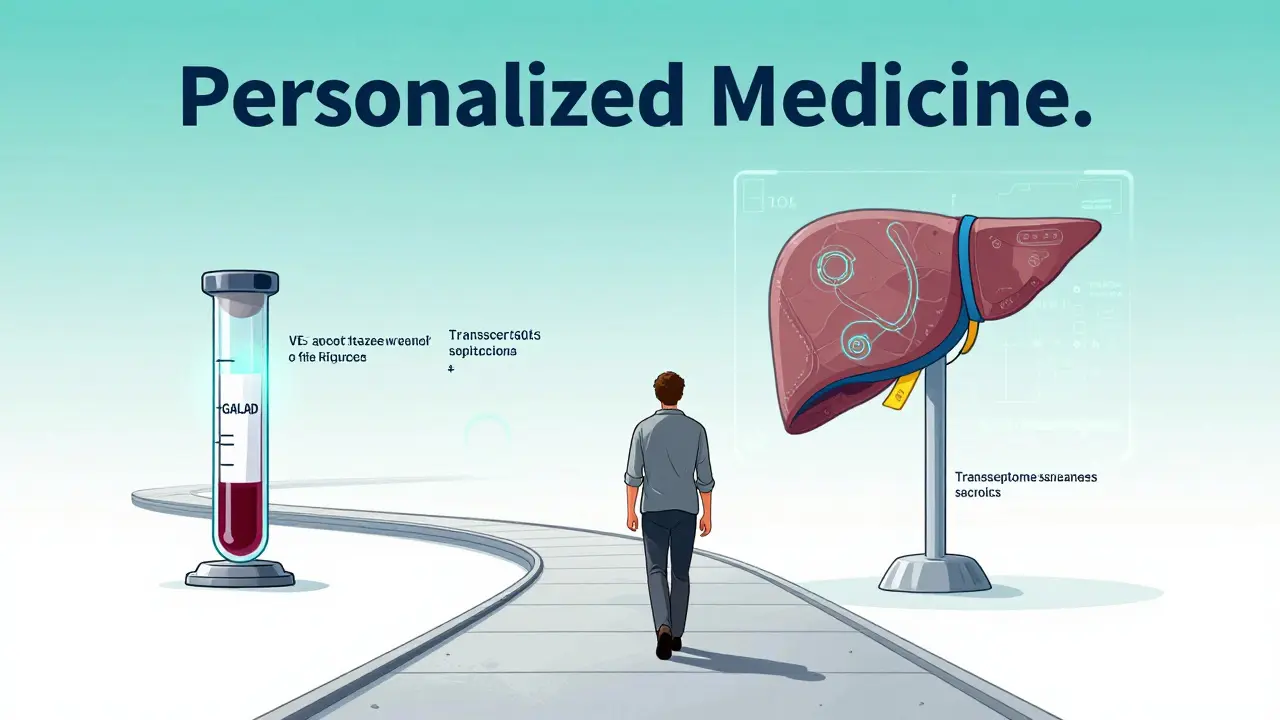
The medical community is moving away from a "one size fits all" approach. We are entering an era of personalized surveillance. Instead of a static rule (e.g., "every 6 months forever"), researchers are looking at how the liver remodels over time. Some patients experience fibrosis regression-meaning their scarring actually improves after the virus is gone.
New tools are on the horizon to make this more precise:
- Dynamic Risk Calculators: Some clinics are testing serial FibroScans to see if a patient's risk drops over years, potentially allowing them to move from 6-month to 12-month check-ups.
- The GALAD Score: This is a blood-based biomarker that combines age, gender, and specific protein markers (like AFP and DCP). It has shown about 85% sensitivity in detecting early HCC in post-SVR patients, which could eventually supplement or replace some imaging.
- Transcriptome Signatures: Research in Nature Medicine has shown that analyzing tissue signatures can predict risk with 92% accuracy, though this is still mostly in the lab and not in your local clinic yet.
If my HCV is undetectable, why can I still get liver cancer?
Hepatitis C causes chronic inflammation and scarring (fibrosis). Even after the virus is gone, the cellular damage and genetic changes caused by years of infection can persist. These "pro-carcinogenesis" pathways can remain active, allowing cancer cells to grow even without the active presence of the virus.
How often should I get screened after SVR?
For patients with cirrhosis (F4), the standard recommendation is an ultrasound every 6 months. For those with advanced fibrosis (F3), it depends on the guidelines your doctor follows; some (like EASL) recommend 6-month intervals, while others (like AASLD) may not suggest routine screening.
Can liver scarring go away after the virus is cured?
Yes, it is possible. This is called fibrosis regression. Some patients see a decrease in liver stiffness after SVR. This is why repeat measurements with tools like FibroScan are important-if your scarring significantly regresses, your doctor might adjust your surveillance needs.
What tests are used for HCC surveillance?
The most common method is a liver ultrasound every six months, sometimes paired with a blood test for alpha-fetoprotein (AFP). In some cases, more detailed imaging like MRI or CT scans may be used if a nodule is detected.
Do I need to worry if I had no cirrhosis before treatment?
Generally, if you did not have advanced fibrosis or cirrhosis before achieving SVR, your risk of developing liver cancer is considered extremely low, and routine lifelong screening is usually not required.
Next Steps for Patients
If you've achieved SVR, don't just disappear from your doctor's calendar. Your next move depends on your history. If you were diagnosed with cirrhosis, set a recurring calendar alert for your 6-month ultrasounds. If you're unsure where you stand on the fibrosis scale, ask your doctor for a FibroScan or a FIB-4 calculation to see which risk category you fall into.
For those in the "gray area" of F3 fibrosis, have an open conversation about the different international guidelines. Ask your provider if you should follow the more cautious European model or the US model based on your specific health profile and other risk factors, such as alcohol use or metabolic syndrome, which can further complicate liver health.