
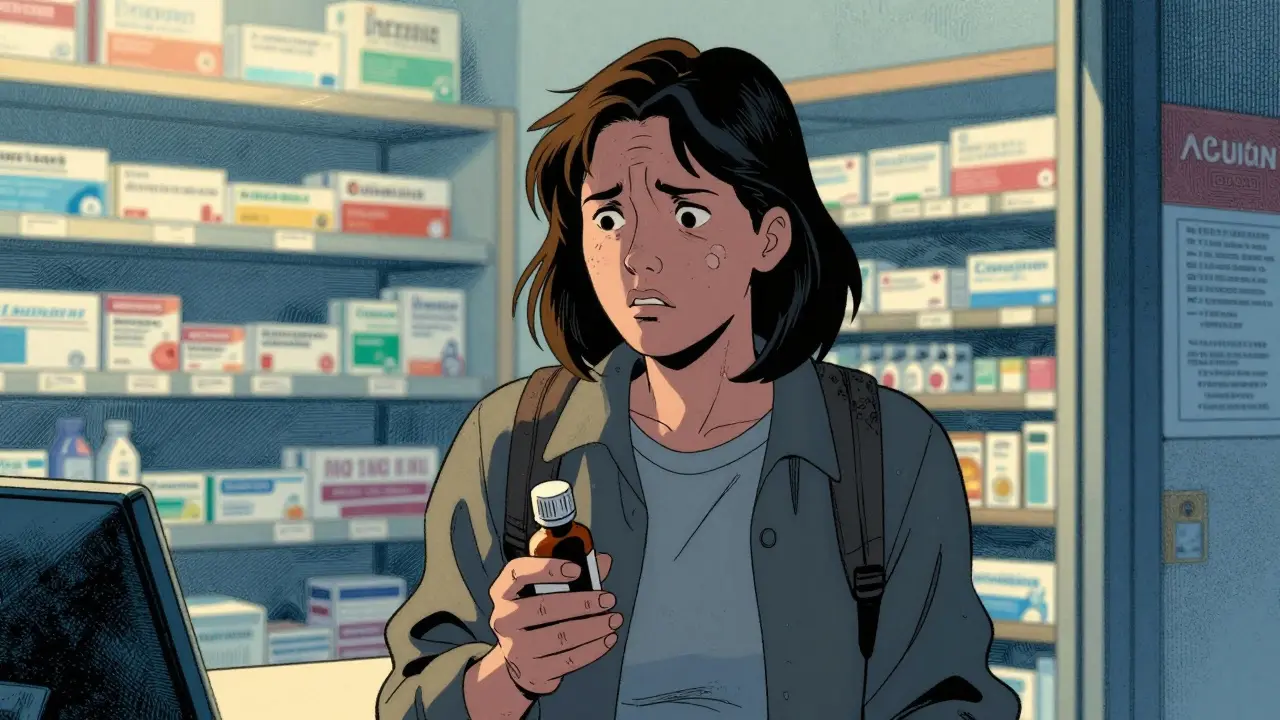
Travel Insurance for Medication Coverage and Emergencies
Imagine you’re in Paris with a sudden stomach bug, only to find the pharmacy requires a prescription you don’t have yet. Or worse, you end up in a hospital bed in New York after a fall, staring at a bill that could wipe out your savings. This is why travel insurance acts as a safety net specifically designed for moments when your domestic health plan hits a wall.
Standard health insurance often leaves you exposed the moment you cross a border. In many countries, the cost of treatment is astronomical, and routine medications become expensive imports. A specialized policy fills this gap, covering unexpected injuries, acute illnesses, and even necessary prescriptions tied to those new conditions. As of 2026, the industry has evolved significantly since its boom in the 1980s, offering layers of protection that were simply unavailable to budget-conscious travelers decades ago.
Understanding What Counts as Covered Medication
You cannot rely on a travel policy to refill your daily blood pressure pills lost in transit. Most policies distinguish sharply between maintenance drugs and emergency prescriptions. If you develop a severe infection or break an ankle during a trip, the antibiotics or painkillers prescribed for that specific incident are typically covered. However, plans explicitly exclude chronic maintenance medications you already take at home.
This distinction is critical. According to industry reports from 2023, over 58% of medication-related claim denials happened because travelers expected coverage for routine refills. Providers like IMG and Allianz design their contracts to cover "new and unforeseen" illnesses. This means the clock starts ticking from the moment you get sick or injured while away.
| Condition Type | Coverage Status | Typical Limit |
|---|---|---|
| Acute Illness (Flu, Infection) | Covered | $5,000 - $25,000 |
| Injury-Related Pain Relief | Covered | Up to Policy Maximum |
| Maintenance Refills | Excluded | $0 |
| Pre-existing Condition Flare-up | Waiver Required | Varies by Plan |
Navigating Costs and Deductibles
When you look at the fine print, you will see numbers like $50,000 maximum limits or $0 deductibles. These figures determine how much cash changes hands when disaster strikes. A typical visitor health plan features a deductible ranging from $0 to $2,500. Once you pay this amount, the insurer steps in.
Most policies operate on a co-insurance basis, such as 80/20. This means after your deductible is met, you still pay 20% of the approved medical costs. For example, with a $250 deductible and a $10,000 bill, you owe the initial $250 plus $2,000 of the remaining balance. Total out-of-pocket costs depend entirely on your chosen deductible level. Higher deductibles lower your premium price, but increase your risk if something goes wrong.
Co-insurance Ratio is a split of payment responsibility between the insurer and the insured after the deductible is met. Commonly set at 80/20 in modern policies.Why Medicare and Credit Cards Fall Short
Many Americans assume their federal health plan follows them overseas. Medicare provides extremely limited coverage outside U.S. borders. It may help pay for services on cruise ships within territorial waters, but it does not cover prescription drugs bought in foreign pharmacies. Even Medigap supplemental plans, which offer some emergency help, cap out at a lifetime maximum of $50,000 and carry a $250 deductible.
Similarly, relying on credit card perks is risky. While convenient, cards often cap medical benefits at $1,000. In a country with high healthcare costs, a single MRI scan or day in the ICU can exceed this limit instantly. You need a dedicated policy for genuine peace of mind. Dedicated providers maintain networks with major chains, ensuring you have access to verified pricing.

Step-by-Step Guide to Filing a Claim
Filing successfully isn’t just about having a policy; it’s about documentation. Start by visiting a local licensed physician immediately. Pharmacists in places like the United States require valid prescriptions before dispensing anything stronger than basic over-the-counter remedies. Get an itemized receipt showing the drug name, dosage, and exact price paid.
- Seek Professional Diagnosis: See a doctor first. A verbal order often isn’t enough for reimbursement purposes. They must link the medication to a covered emergency event.
- Keep Every Receipt: Digital photos of paper receipts work well. Store them separately from your physical wallet in case of theft.
- Submit Online: Most insurers like Seven Corners or Allianz allow app-based submission. Upload the prescription copy, doctor’s note, and proof of payment.
- Wait for Processing: Expect a timeline of 7 to 14 business days for funds to return to your bank account.
Travelers who follow the network guidelines see approval rates jump significantly. Using in-network pharmacies allows for direct billing in some cases, meaning you might only pay your copay instead of the full upfront cost. This avoids draining your travel budget immediately.
Special Considerations for Senior Travelers
Older adults make up nearly half of all medication coverage claims despite being a smaller portion of total travelers. Age brings complex needs. Some policies offer waivers for pre-existing conditions, allowing coverage for flare-ups related to known ailments. However, you must purchase this waiver soon after booking your trip, often within 14 to 21 days.
Without a waiver, your existing heart condition stays uncovered, but any sudden new injury remains safe. It is worth checking specific plans marketed toward seniors that might include better terms for age-related risks. Always verify if there are caps on specific conditions before signing up.

Future Trends and Digital Tools
The landscape is shifting toward digital convenience. By 2026, telemedicine integration is standard. Many top carriers now let you consult a U.S.-based doctor virtually. This solves the immediate need for a prescription without driving to a clinic. Blockchain verification systems are also entering the market to streamline prescription validation across borders, reducing fraud and speeding up reimbursements.
If you plan to travel frequently, look for annual multi-trip policies rather than buying per trip. They accumulate limits and simplify administration. Just remember that coverage always depends on the specific location. Regulations in different nations dictate what is considered a prescription drug versus a supplement, impacting what you can claim.
Frequently Asked Questions
Does travel insurance cover my daily medication?
No, standard policies exclude maintenance medications you take regularly at home. Coverage applies only to prescriptions required for new injuries or acute illnesses that happen during your trip.
What happens if I lose my prescription supplies?
Loss of supply is usually treated as a maintenance issue. You would need to pay out of pocket. Some rare plans might assist if a new acute illness prevents refilling, but loss alone is not covered.
Is telemedicine included in medication coverage?
Yes, 82% of major providers offer telemedicine consultations by 2026. This allows virtual doctor visits to obtain legal prescriptions quickly while abroad.
How long does reimbursement take?
Typically, the process takes between 7 to 14 business days after you submit complete documentation via the insurer’s portal.
Can I use my credit card insurance for prescriptions?
Credit card benefits are minimal, often capping coverage at $1,000. They are insufficient for significant medical emergencies or expensive drug costs in high-cost regions like the US.




Jenny Gardner
I absolutely love how this guide explains the co-insurance split!!! Many people do not realize that paying twenty percent out of pocket adds up quickly during an emergency! The difference between having a comprehensive policy versus relying on credit card perks is night and day! Everyone should prioritize buying a dedicated visitor health plan before leaving home! It provides genuine peace of mind when navigating foreign pharmacy systems!
Molly O'Donnell
Maintenance med refills never get covered under standard policies so bring extra bottles.
Rocky Pabillore
Budget-conscious travelers rarely understand the nuance required in high-quality contracts. The distinction between acute illness and chronic maintenance reflects a level of sophistication most consumers ignore. Affordable options are often merely marketing gimmicks designed for those who lack foresight. One truly appreciates proper coverage only when facing a catastrophic claim scenario. Cheap plans inevitably leave individuals vulnerable to astronomical costs.
Cara Duncan
I think its nice to know the limits beforehand 😊👍. Having that extra safety net makes everyone feel much safer while traveling ✈️💊. Its important to check exactly what the policy includes before buying 📝✅.
Callie Bartley
American citizens face ridiculous fees overseas because domestic systems fail to protect our interests globally. We cannot trust foreign hospitals to honor our insurance arrangements properly! They expect us to drain our savings for a broken leg! Medicare simply does not cover anything useful once you step off our shores! Foreign nations exploit travelers with massive billing tactics regularly!
Owen Barnes
Friendly reminder that recipts must show exact drug prices for reimbursement! I found that taking photos helps alot when filing online later. Polices vary by provider so always read the small print first. Keep digita copies safe in case your wallet gets stolen. It makes the whole process much less stressfull to manage correctly.
Eleanor Black
It is truly vital that we consider these financial safeguards when planning international excursions. :)) The documentation requirements can sometimes feel overwhelming for the average person. I recall my own trip where I forgot to photograph the initial receipt immediately. This simple oversight nearly caused a delay in my reimbursement processing timeline. Most carriers require digital copies of every single paper handed to you. Telemedicine has become a wonderful tool for obtaining necessary prescriptions quickly. Without this technology, waiting for a physical doctor could ruin your vacation plans entirely. We must also remember that credit card coverage is woefully inadequate for serious injuries. A lifetime cap of fifty thousand dollars might sound generous until facing a major surgery. Pre-existing conditions are often the trickiest part of any standard policy contract. You really do need to secure a waiver within that tight window after booking. Ignoring this deadline leaves significant gaps in your overall protection strategy. Senior travelers especially benefit from policies designed with age-related risks in mind. Family members often worry more about their parents than themselves when visiting abroad. Planning ahead allows for peace of mind during the actual travel experience itself. 🙂 It is better to pay the premium upfront than worry about massive medical bills later. 💉
James DeZego
The shift toward digital verification is definitely a game changer for prescription validation 🛠️. Direct billing networks save money significantly for anyone needing urgent care! Uploading documents via app saves so much postage time compared to mail. Always ensure your phone battery is charged for submission portals 📱. Checking network guides helps avoid full payment upfront issues.
Sharon Munger
i totally agree with that approach about apps. keeping digital copies is smart too. glad you shared the info on uploading proof
Russel Sarong
The evolution of telemedicine integration by 2026 is absolutely incredible for global travelers! Consulting a U.S.-based doctor virtually solves the immediate crisis of needing a local script!!! Blockchain verification reduces fraud massively which speeds up reimbursements significantly!!! Regulations differ wildly between nations impacting claim eligibility constantly!!! Annual multi-trip policies simplify administration for frequent flyers everywhere!!!