
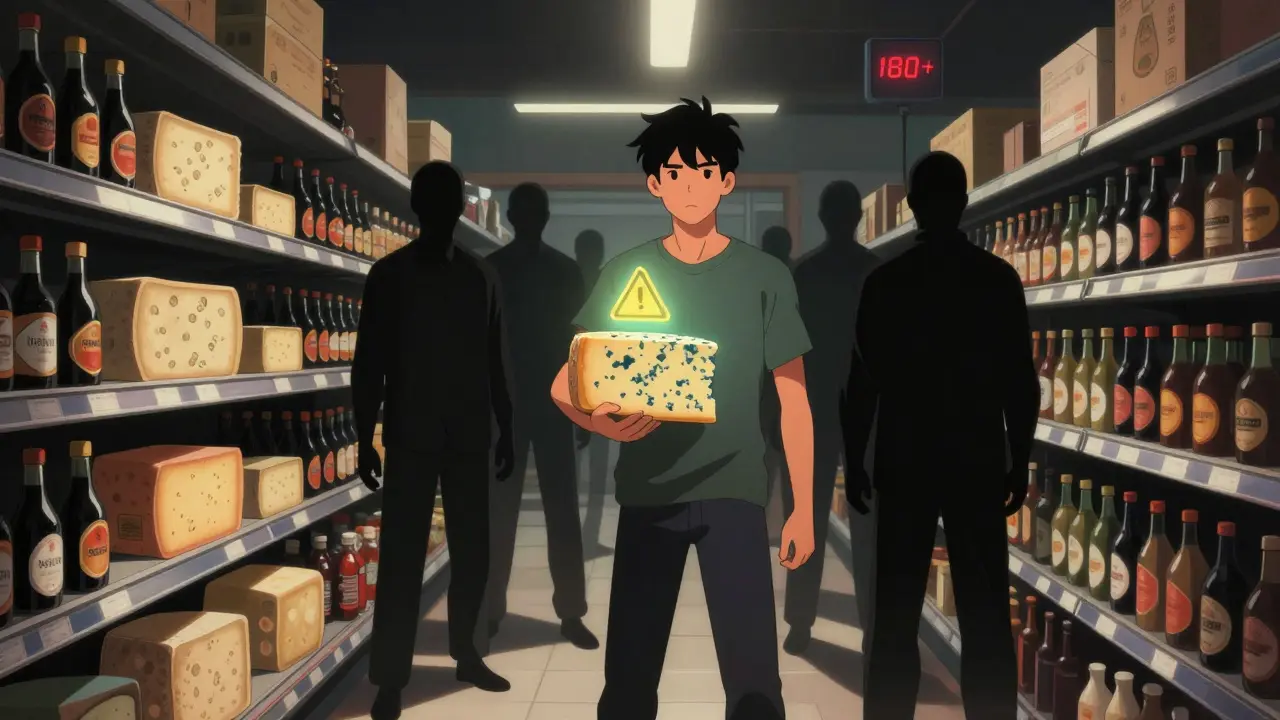
When you're taking an MAO inhibitor for depression, your diet suddenly becomes a minefield. It's not about calories or sugar - it's about one chemical: tyramine. This naturally occurring compound is harmless to most people. But for someone on certain antidepressants, even a small amount can trigger a dangerous spike in blood pressure - fast. We're talking about a hypertensive crisis, where systolic pressure can jump 30 to 50 points in under half an hour. It’s rare, but it’s real. And if you're on one of these meds, you need to know exactly what to avoid - and why.
How MAO Inhibitors Work - and Why Tyramine Is Dangerous
MAO inhibitors, or MAOIs, were among the first antidepressants developed. Drugs like phenelzine (Nardil) and tranylcypromine (Parnate) work by blocking the enzyme monoamine oxidase. That enzyme normally breaks down neurotransmitters like serotonin and norepinephrine. By slowing that breakdown, MAOIs help lift mood. But there’s a catch: that same enzyme also breaks down tyramine, a substance found in many aged and fermented foods.
When MAO is blocked, tyramine builds up in your gut and bloodstream. Instead of being safely processed, it floods your system and forces your nerve endings to release a huge amount of norepinephrine. That’s what causes your blood pressure to skyrocket. The result? Severe headache, pounding heart, sweating, blurred vision - and in worst cases, stroke or heart attack. The threshold? As little as 5-10 mg of tyramine can trigger a reaction. A dangerous crisis usually starts around 10-25 mg. And some foods pack way more than that.
Foods That Can Trigger a Crisis - And What’s Safe
Not all foods are equal. Fresh meat, vegetables, fruits, and dairy are generally safe. Tyramine forms during aging, fermentation, or spoilage. That’s why some foods are fine one day and dangerous the next.
- High-risk foods: Aged cheeses like blue cheese (9-41 mg per 100g), cheddar, parmesan, and gouda that’s been stored for weeks. A single ounce can push you over the limit.
- Processed meats: Pepperoni, salami, and other cured meats - especially if not freshly packaged.
- Fermented soy: Soy sauce (20-70 mg per 100ml), miso, and tempeh. Even a tablespoon of soy sauce can contain 15-20 mg of tyramine.
- Fermented alcohol: Chianti wine (4-15 mg per 100ml), tap beer (especially unpasteurized), and certain ales. Avoid anything labeled "raw," "unfiltered," or "naturally fermented."
- Fish: Pickled herring (110-230 mg per 100g) - yes, that’s over 100 times the danger threshold. Smoked or cured fish, too.
- Leftovers and spoiled food: Tyramine levels climb as food ages. A piece of cheese that’s been in your fridge for three weeks? It’s not just old - it’s risky.
Safe choices? Fresh chicken, fish, and beef. Plain yogurt, cottage cheese, and fresh mozzarella. Most fruits and vegetables - as long as they’re not bruised or overripe. Bottled or canned sauces are usually fine if they’re fresh and unopened. The key is: if it’s been sitting, fermenting, or aging - skip it.
Not All MAOIs Are the Same - The Newer Options
Here’s the good news: not every MAOI forces you into dietary lockdown. The old-school ones - phenelzine, tranylcypromine, isocarboxazid - are irreversible and affect both MAO-A and MAO-B. That means they block tyramine breakdown completely. But newer versions are smarter.
- Transdermal selegiline (Emsam patch): At the lowest dose (6 mg/24 hours), it only blocks MAO-B in the gut, leaving MAO-A free to handle tyramine. That means no dietary restrictions at all. At higher doses (9 mg or 12 mg), you’ll need to cut back on high-tyramine foods.
- Moclobemide (RIMA): This reversible inhibitor lets tyramine displace it temporarily. That’s why studies show it’s safe even with up to 100 mg of tyramine - far beyond what you’d eat in a meal. It’s not available in the U.S., but used widely in Europe and Canada.
According to a 2020 review, 87% of people on traditional MAOIs said dietary rules were their biggest struggle. Only 22% on low-dose Emsam felt the same. If you’re considering an MAOI, ask your doctor about these options. They’re not magic - but they’re much easier to live with.
What Happens If You Eat Something Risky?
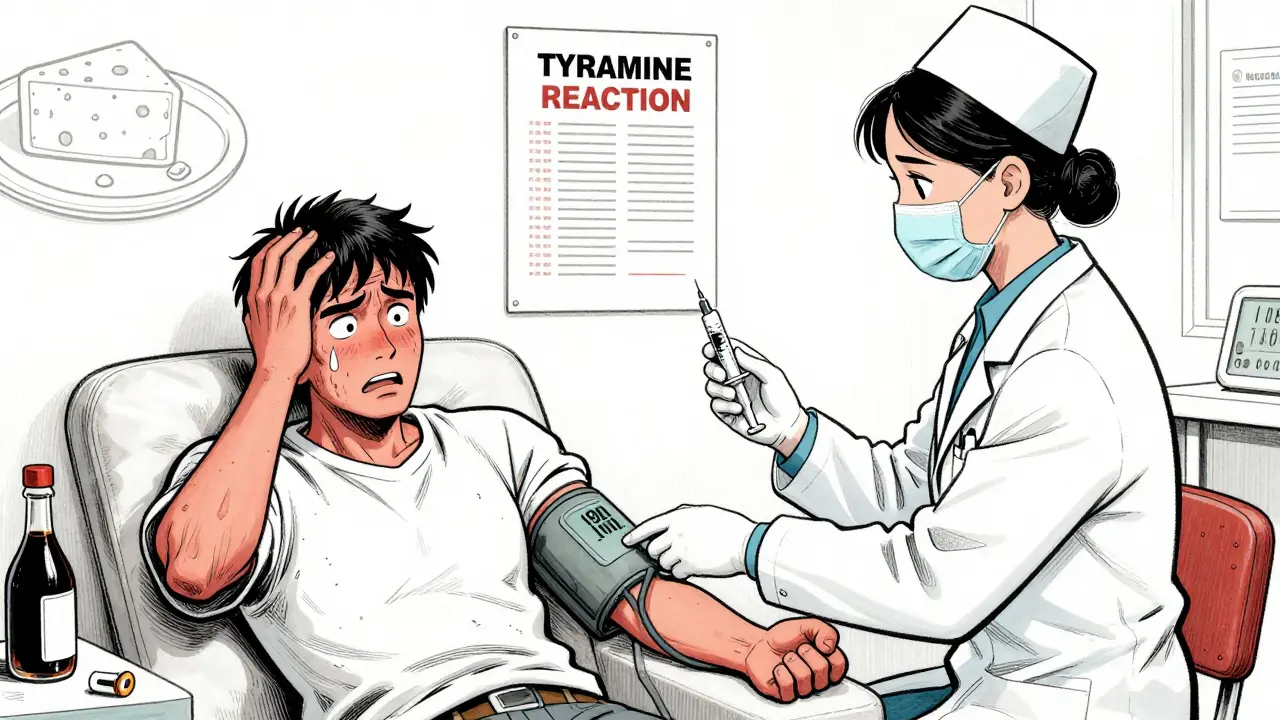
Most people won’t have a full-blown crisis. But symptoms can show up fast: pounding headache (especially at the back of your head), rapid heartbeat, chest tightness, nausea, or sudden sweating. Some report blurred vision or a feeling of intense anxiety. These aren’t "just stress" - they’re warning signs.
According to Mayo Clinic data, 92% of hypertensive episodes linked to tyramine start with an occipital headache. If you feel this after eating something questionable, check your blood pressure. If it’s over 180 mmHg systolic - get help. Don’t wait. Call your doctor. Go to urgent care. Emergency rooms are equipped to treat this. The standard first-line treatment now is nicardipine, a fast-acting blood pressure medication that lowers pressure slowly and safely - no more risky drops in brain flow.
And yes - it’s rare. Fewer than five deaths per year in the U.S. since 2010. But that doesn’t mean it’s not serious. One study found that 1 in 200 people on standard MAOIs will have a significant episode over five years. That’s not a small risk. And for many, the fear alone makes them quit the medication.
Real-Life Challenges - And How to Survive Them
Let’s be honest: avoiding aged cheese, soy sauce, and beer isn’t just inconvenient - it’s isolating. A 2022 survey of 317 MAOI users on Psych Forums found 68% quit because of dietary rules. Social events? A birthday party with cheese platter? A dinner with friends where the wine is poured without asking? It’s exhausting.
But people who stick with it say it’s worth it. A 2022 study in the Journal of Affective Disorders found that 61% of long-term MAOI users (2+ years) called their results "life-changing." For those who didn’t respond to SSRIs or other antidepressants, MAOIs can be the only thing that works.
So how do you manage? Here’s what works:
- Use a food list - not guesses. Don’t rely on "I think it’s okay." Get a printed or digital list from your doctor. Include portion sizes: "One ounce of aged cheese is safe. Two is not."
- Buy fresh, eat fresh. Don’t store food for days. If it’s been in the fridge more than three days, reconsider.
- Check labels. Since 2022, U.S. regulations require cheese packaging to state tyramine content if it exceeds 10 mg per serving. Read them.
- Keep a blood pressure monitor. The American Psychiatric Nurses Association recommends home monitoring. Set alerts if your systolic pressure hits 160 or higher.
- Plan ahead. If you’re going out to eat, call the restaurant. Ask what’s fresh. Ask if the soy sauce is regular or low-tyramine (some brands are).
The Future: New Tools on the Horizon
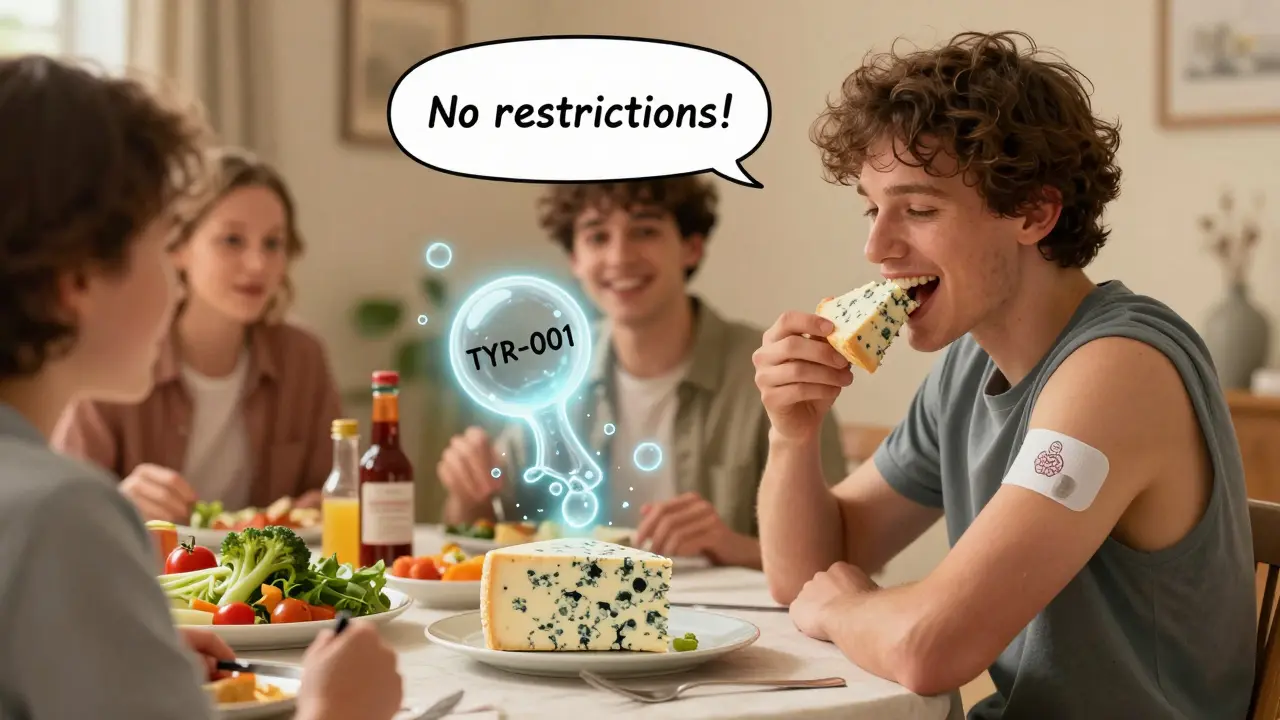
There’s hope on the horizon. In March 2024, the FDA gave breakthrough status to a new supplement called TYR-001. It’s a tyramine-metabolizing enzyme designed to break down dietary tyramine before it hits your bloodstream. Early trials showed zero hypertensive events even when patients ate foods with up to 50 mg of tyramine - and still got the full antidepressant effect of their MAOI.
If Phase III trials succeed, this could change everything. Imagine eating a slice of blue cheese without fear. No more avoiding wine at dinner. No more social isolation. This isn’t science fiction - it’s coming. And it could make MAOIs a much more viable option for thousands.
Final Advice: Don’t Quit - But Do Be Smart
MAOIs aren’t for everyone. But for some, they’re the only path out of deep, treatment-resistant depression. The dietary restrictions are real. The risks are real. But they’re manageable. You don’t need to live like a monk. You just need to know what’s dangerous - and why.
Talk to your doctor. Ask about Emsam or moclobemide. Get a clear list. Buy a blood pressure monitor. Learn to read food labels. And remember: this isn’t about perfection. It’s about awareness. One slip-up doesn’t mean disaster. But repeated ignorance does.
There’s a life on the other side of this - one where your mood is stable, your energy is back, and you’re not stuck in a cycle of fear. It’s possible. You just need to know the rules - and stick to them.
Can I eat blue cheese if I’m on an MAOI?
No - not if you’re on a traditional MAOI like phenelzine or tranylcypromine. Blue cheese contains 9-41 mg of tyramine per 100g. A single ounce (about 28g) can deliver 3-12 mg - enough to trigger a dangerous spike in blood pressure. Even small amounts are risky. If you’re on the low-dose Emsam patch (6 mg/24hr), you may be able to have it occasionally, but only after discussing it with your doctor.
Is soy sauce safe on MAOIs?
Regular soy sauce contains 20-70 mg of tyramine per 100ml. A single tablespoon (15ml) can have 3-10 mg - enough to trigger a reaction in sensitive individuals. Avoid it entirely if you’re on a traditional MAOI. Some brands offer "low-tyramine" or "fermentation-controlled" versions, but they’re rare. If you must use soy sauce, check the label for tyramine content or use tamari (which tends to be lower), but still limit use.
Do I have to avoid all alcohol on MAOIs?
Not all alcohol - but avoid fermented types. Tap beer, homebrew, and unpasteurized beer can contain high tyramine levels. Chianti and other red wines have 4-15 mg per 100ml. White wine and clear spirits like vodka or gin are generally safe in moderation. The key is fermentation: the longer it ferments, the more tyramine builds up. Stick to fresh, pasteurized, and distilled options.
What if I accidentally eat a high-tyramine food?
Stay calm. Monitor your symptoms. Check your blood pressure if you can. Mild symptoms like a headache, flushing, or mild palpitations may pass. But if your systolic pressure climbs above 180 mmHg, you feel chest tightness, or your vision blurs - seek emergency care immediately. Don’t wait. Emergency rooms know how to treat this. Nicardipine is now the standard treatment to safely lower pressure without risking brain damage.
Are there MAOIs without dietary restrictions?
Yes. The low-dose transdermal selegiline patch (6 mg/24 hours) is designed to avoid MAO-A inhibition in the gut, so it doesn’t interfere with tyramine breakdown. No dietary restrictions are needed at this dose. Moclobemide (available outside the U.S.) is another option - it’s reversible and safe even with high tyramine intake. Ask your doctor if these are right for you.
Why do some people say MAOIs are "the last resort"?
Because they’re powerful - and risky. MAOIs are usually tried only after two or more other antidepressants fail. They’re highly effective for treatment-resistant depression, especially atypical depression with fatigue, overeating, or oversleeping. But the dietary rules, side effects, and potential for dangerous interactions make them harder to manage. Still, for those who respond, the improvement can be dramatic. They’re not "last resort" because they don’t work - they’re last resort because they require serious commitment.
Can I take over-the-counter cold medicine while on an MAOI?
No - not without checking. Many OTC cold and flu remedies contain decongestants like pseudoephedrine or phenylephrine. These can cause dangerous blood pressure spikes when combined with MAOIs. Even some herbal supplements like St. John’s Wort or 5-HTP can trigger serotonin syndrome. Always consult your prescriber before taking any new medication or supplement.
How long do I need to follow the diet?
As long as you’re taking the MAOI. The risk doesn’t go away after a few weeks. Even if you’ve been on it for months, eating high-tyramine food can still cause a crisis. If you stop the medication, you can return to normal eating - but only after a washout period (usually 1-2 weeks) to let the drug clear from your system. Never stop abruptly - always taper under medical supervision.

Rob Turner
Man, I remember the first time I ate blue cheese after starting my MAOI. Thought I was fine - just a little snack. Ended up with a headache that felt like my skull was being hammered by a construction crew. Never again. Now I stick to fresh mozzarella and call it a day. Life’s too short for cheesy drama.
Also, soy sauce? I use coconut aminos now. Tastes weird at first, but your blood pressure will thank you. 🙌
christian jon
Let me get this straight-you’re telling me I can’t have a nice plate of salami and cheddar with my wine? This is why America’s going downhill. First they ban trans fats, then they ban sugar, now they’re banning MY CHEESE? This is tyranny! I’m not some lab rat in a white coat’s experiment! I’ll eat what I want and let my blood pressure do the talking. 😤
Autumn Frankart
Did you know the government knew about this since the 80s? They buried the research. Why? Because Big Pharma doesn’t want you switching to cheaper, safer alternatives like moclobemide. They make billions off your fear. The patch? It’s a trap. They’re conditioning you to rely on it so they can jack up the price. And don’t get me started on that ‘TYR-001’ supplement-total mind-control tech disguised as science. 🤡
Pat Mun
I’ve been on Emsam for over three years now, and honestly? It changed my life. I went from crying in the shower every morning to hiking with my dog on weekends. The diet stuff? Yeah, it’s annoying, but it’s not impossible. I keep a little cheat sheet on my fridge. Fresh is best. If it’s been sitting longer than three days? I toss it. No guilt.
And guess what? I still go out to dinner. I call ahead. I ask if they use low-tyramine soy sauce. Most places don’t even know what that is-but they’re happy to accommodate. You’d be surprised how kind people are when you’re honest about it.
Also, I got a BP monitor. It’s not scary. It’s empowering. Like a fitness tracker for your mental health. 💪
Skilken Awe
Wow. So we’re just supposed to accept this as gospel? No one questioned the 87% statistic? Where’s the peer-reviewed source? And ‘low-dose Emsam’? That’s just a marketing gimmick. MAOIs are inherently dangerous. If you need a patch to make them ‘safe,’ maybe you shouldn’t be taking them at all. This whole thing reads like a pharmaceutical pamphlet disguised as medical advice. 🤨
andres az
Typical. Another post full of jargon and zero real data. Who funded this? Pfizer? Eli Lilly? And why is there no mention of the 2019 meta-analysis that showed MAOIs have no long-term advantage over SSRIs? Also, ‘tyramine-metabolizing enzyme’? Sounds like a scam from a 2017 YouTube ad. I’m not falling for this.
Alyssa Williams
I was skeptical at first. Thought the diet rules were overblown. But after my first near-miss with a slice of aged gouda, I got serious. Now I’ve got a little notebook. Fresh meat? Check. No fermented sauces? Check. I even made a spreadsheet of safe restaurants near me. It’s not perfect, but it’s mine.
And honestly? I feel more in control than I have in years. It’s not about restriction-it’s about awareness. You’re not giving up food. You’re reclaiming your health. You got this.
Jack Havard
Everyone’s acting like this is a revelation. I’ve been on MAOIs for 12 years. The diet rules? Always been there. The ‘new’ patches? Been around since 2006. And that TYR-001 nonsense? Sounds like a VC-funded startup trying to cash in on depressed people’s desperation. Don’t believe the hype. Stick to what works: food you can see, smell, and touch. Not science fiction.
Gloria Ricky
OMG YES to the BP monitor!! I got one after my last scare. Best decision ever. I didn’t even know my BP was creeping up until the alarm went off. Now I just avoid the scary cheeses, and I’m fine. Also-tamari is a game-changer. I buy the organic kind. It’s not perfect, but it’s way better than soy sauce. And yes, I still have wine. Just white. And I drink it slow. 🍷❤️
Stacie Willhite
I just want to say-I see you. I’ve been there. The isolation. The fear. The way people look at you like you’re crazy when you say you can’t have pizza night. It’s hard. But you’re not alone. There’s a whole community out there-Reddit threads, support groups, even Facebook pages. We swap recipes. We vent. We celebrate when someone eats a slice of blue cheese and lives to tell the tale. You’re doing better than you think.
Jason Pascoe
Just wanted to add from down under-we’ve got moclobemide here, and honestly, it’s been a lifesaver. No diet restrictions, minimal side effects. I wish more people knew about it. If you’re struggling with the old-school MAOIs, talk to your doc about it. It’s not magic, but it’s close. And yeah, I still have a beer now and then. Just not the funky stuff. 🍺
Annie Joyce
Let me tell you about the time I accidentally ate miso soup at a Japanese restaurant. I didn’t know they used aged soy paste. Felt like my head was going to explode. Called my doctor at 2 a.m. He laughed. Said I was lucky. Then sent me a PDF of 17 safe sushi rolls. Now I go to that same place every Friday. They know me. They make me a special order. No miso. Just fresh fish, rice, and avocado.
Turns out, being ‘that person’ who asks too many questions? It’s worth it.
Suzette Smith
Wait-so you’re saying I can’t have balsamic vinegar? I thought it was just aged grapes. Not fermented? Hmm. Maybe I’m wrong. But I swear, I’ve had it for years and never had a problem. Maybe this whole thing is just fear-mongering? 🤔
Rob Turner
@Suzette Smith: Balsamic is usually safe unless it’s super old or artisanal. Most commercial brands are fine. But if it’s labeled ‘traditional’ and aged 12+ years? That’s when it gets risky. I learned the hard way. My rule now: if it’s got a price tag over $50, I skip it. 😅