Medication Adherence: Why Taking Pills as Prescribed Saves Lives
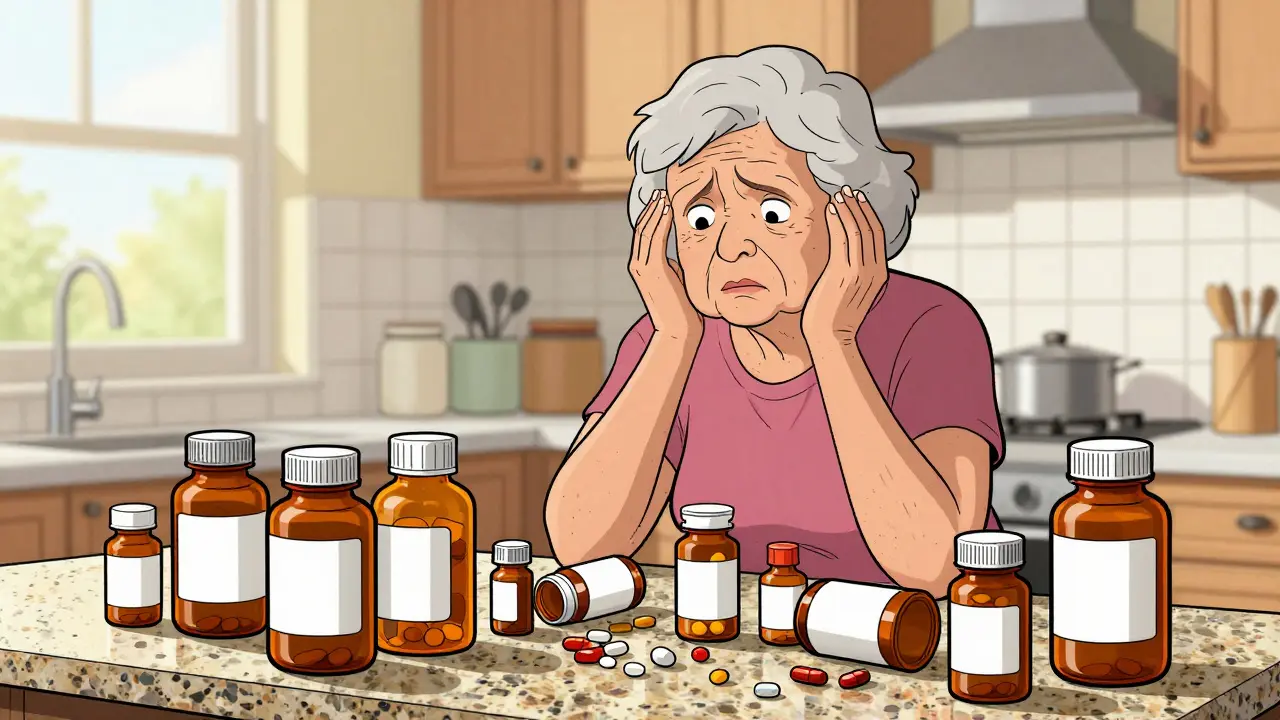
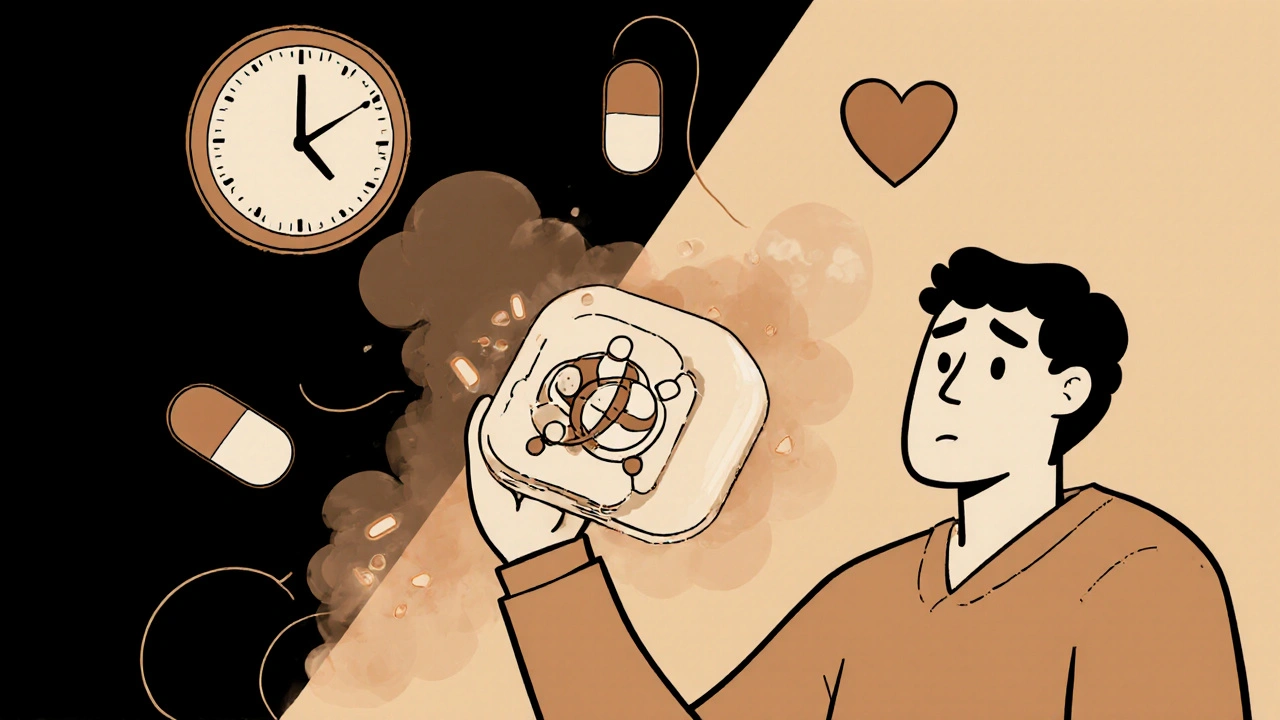
When you take your meds exactly as your doctor says, you’re doing more than following rules—you’re protecting your health. This is called medication adherence, the practice of taking prescribed drugs at the right time, in the right dose, and for the full duration. Also known as drug compliance, it’s one of the most overlooked factors in treatment success. Skip a dose of your blood pressure pill? That spike in pressure could land you in the ER. Forget your insulin for a day? Your blood sugar could go dangerously high. The problem isn’t laziness—it’s complexity. Many people juggle five or more medications, each with different schedules, side effects, and warnings.
Some drugs make adherence harder by design. Sedating medications, like those used for anxiety or sleep, can leave you too tired to remember your next dose. Others, like statins, which cause muscle aches in many users, lead people to quit because they think the pain is normal. Then there are drugs like metformin, which requires kidney function checks before dosing—if your labs aren’t monitored, you might keep taking it even when it’s unsafe. Even something as simple as switching from brand to generic can trigger confusion or side effects, especially in kids or seniors.
It’s not just about remembering to take pills. It’s about understanding why you’re taking them, recognizing when something’s wrong, and knowing when to call your doctor. That’s why therapeutic drug monitoring, a process where labs check your blood levels to ensure the right dose, matters so much. It’s also why Medicare Annual Medication Reviews and DOT drug rules exist—to catch mismatches before they cause harm. People don’t fail because they’re careless. They fail because the system doesn’t make it easy.
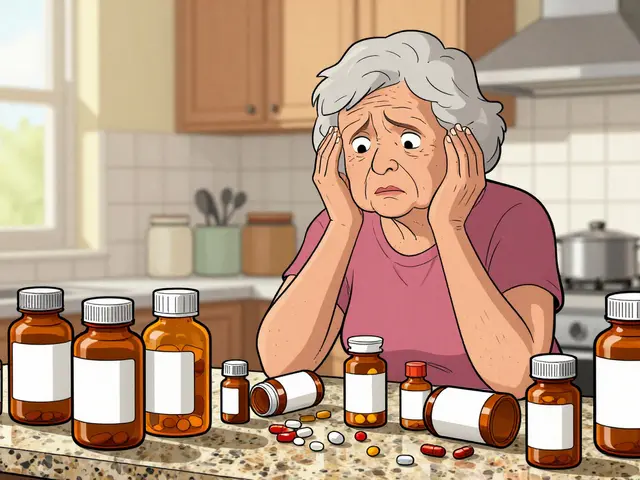
Below, you’ll find real stories and science-backed fixes for every kind of adherence problem—whether you’re a senior struggling with a pillbox full of meds, a parent worried about switching your child’s asthma inhaler, or a commercial driver trying to stay compliant while on painkillers. No fluff. No theory. Just what works.