Absorption Issues: Why Your Medications Might Not Be Working
When your medication doesn’t work like it should, it’s rarely because the drug is weak—it’s often because your body isn’t absorption issues, the failure of a drug to enter the bloodstream properly after being taken. Also known as poor bioavailability, this is one of the most overlooked reasons treatments fail, especially in older adults, people with gut conditions, or those on multiple drugs. If you’re taking a pill every day but still feel the same, the problem might not be your dose—it’s your gut.
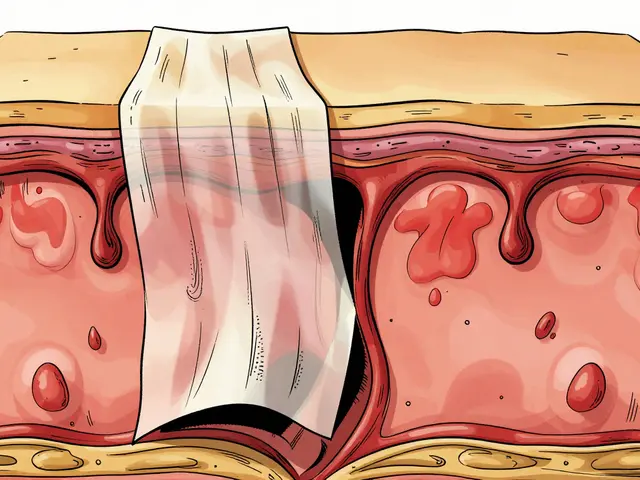
Drug absorption happens mostly in the small intestine, and anything that changes the environment there can mess it up. gastrointestinal absorption, the process by which medications pass from the digestive tract into the blood depends on stomach acid, gut motility, food timing, and even the health of your intestinal lining. Conditions like Crohn’s disease, celiac disease, or even long-term use of acid blockers can reduce how much of your drug actually gets absorbed. And it’s not just pills—some supplements, like curcumin from turmeric, have terrible absorption unless paired with black pepper or special formulations like Meriva®.
Then there’s the pharmacokinetics, how the body moves a drug through absorption, distribution, metabolism, and excretion. Rifampin, for example, speeds up liver enzymes that break down other drugs, which can drop their levels so low they stop working. That’s not a side effect—it’s a pharmacokinetic clash. Same with antivirals, blood thinners, and even some antidepressants. If you’re on more than one medication, absorption isn’t just about your stomach—it’s about how your whole system handles the mix.
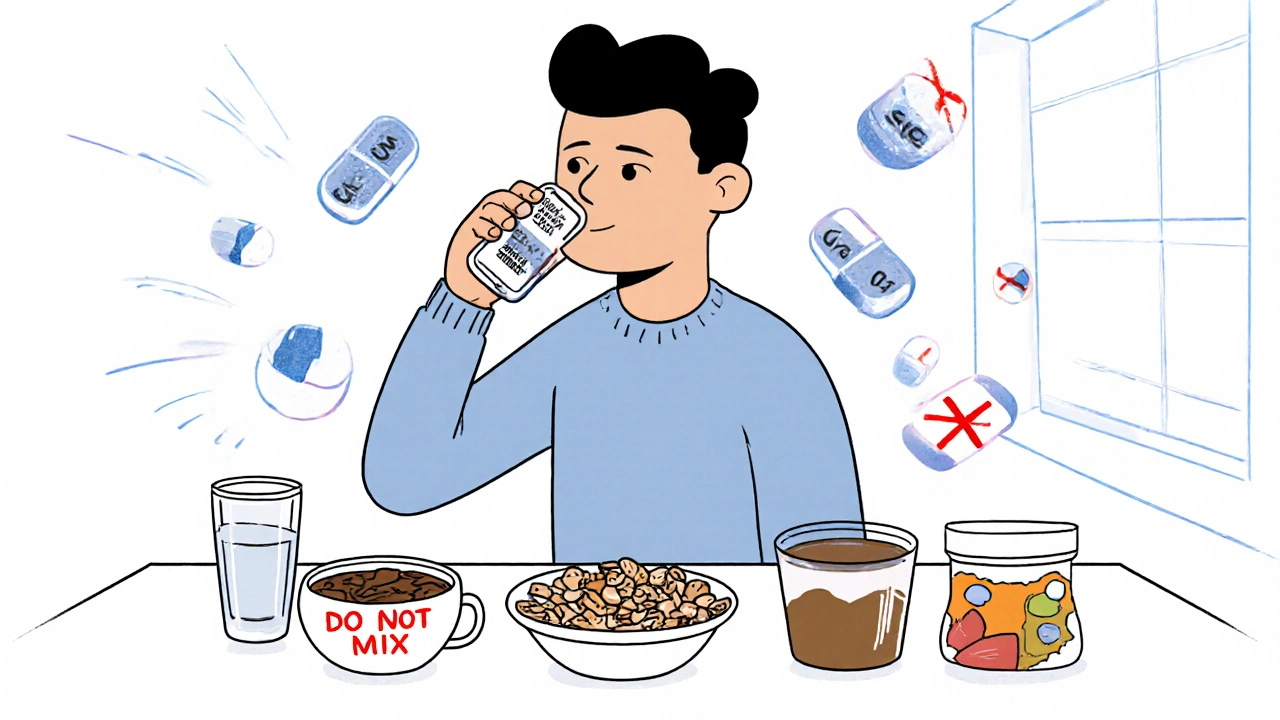
Age matters too. As we get older, stomach acid drops, gut motility slows, and the surface area of the intestine shrinks. That’s why older adults often need different dosing or formulations—like liquid versions or patches—instead of just swallowing more pills. And let’s not forget food. Some drugs need to be taken on an empty stomach; others only work if you eat with them. Take a statin with grapefruit juice? That’s a dangerous game. Take metformin with a big meal? You might avoid the stomach upset but also reduce how much gets absorbed.
What you’ll find in these posts isn’t just theory. It’s real-world fixes. You’ll see how absorption issues connect to things like kidney dosing for metformin, why generics sometimes fail in kids, how rifampin knocks out anticoagulants, and why some supplements need special help to be effective. These aren’t edge cases—they’re everyday problems hiding in plain sight. If you’ve ever wondered why your meds don’t seem to do what they’re supposed to, you’re not imagining it. The answer might be in how your body takes them in—not how much you take.