Birth Defects: Causes, Risks, and What You Can Do
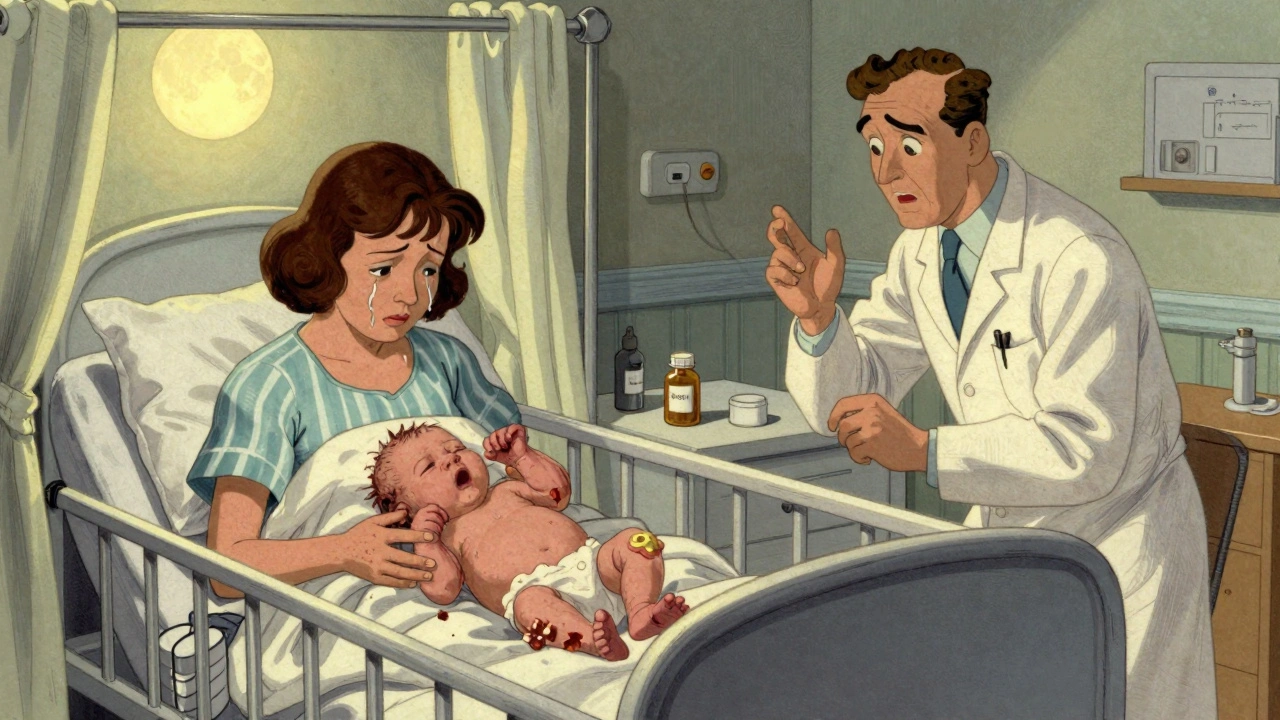
When we talk about birth defects, structural or functional abnormalities present at birth that can affect any part of the body. Also known as congenital anomalies, they occur in about 1 in 33 babies in the U.S. every year—and many are preventable. These aren’t just rare conditions. They include heart problems, cleft lips, neural tube defects, and chromosomal disorders like Down syndrome. What most people don’t realize is that up to 70% of birth defects have no known cause, but the rest are linked to things we can control.
One of the biggest risk factors is medication safety during pregnancy, how certain drugs taken while pregnant can interfere with fetal development. For example, some epilepsy drugs, acne medications like isotretinoin, and even certain antidepressants have been tied to higher rates of defects. But it’s not just about prescription pills—over-the-counter painkillers like ibuprofen, especially in the third trimester, can affect fetal kidney development and heart function. That’s why talking to your doctor before taking anything during pregnancy isn’t optional—it’s critical.
Folic acid, a B vitamin that helps form the neural tube that becomes the brain and spinal cord is one of the few things proven to cut the risk of major birth defects. Taking 400 micrograms daily before conception and through the first trimester can reduce neural tube defects by up to 70%. Yet, nearly half of all pregnancies in the U.S. are unplanned, meaning many women miss this simple step. That’s why the CDC recommends all women of childbearing age take folic acid, even if they’re not trying to get pregnant.
Genetics also play a role. genetic disorders, conditions passed down through DNA that can cause physical or developmental issues at birth, are harder to prevent—but easier to spot early. Carrier screening before pregnancy, or prenatal testing like amniocentesis and NIPT, can give parents clarity. And while no one wants to think about bad outcomes, knowing the risks helps you make informed choices.
Prenatal care isn’t just about checking blood pressure and weight. It’s about catching problems before they become serious. Poorly controlled diabetes, untreated infections like rubella or Zika, smoking, alcohol, and even exposure to certain chemicals can all increase the chance of a birth defect. The good news? Many of these risks are modifiable. Stopping smoking before you get pregnant, managing blood sugar early, avoiding raw meat and cat litter to prevent toxoplasmosis—these aren’t just tips. They’re proven ways to protect your baby.
What you’ll find in the articles below isn’t a list of scary statistics. It’s a practical guide to what actually matters. From how certain drugs interact with fetal development to why timing matters when taking supplements, these posts cut through the noise. You’ll learn which medications are risky, which nutrients make a real difference, and how to ask the right questions before your next doctor’s visit. This isn’t about fear. It’s about power—knowing what you can control, so you can give your baby the best start possible.