Bisphosphonates: What They Are, How They Work, and What You Need to Know
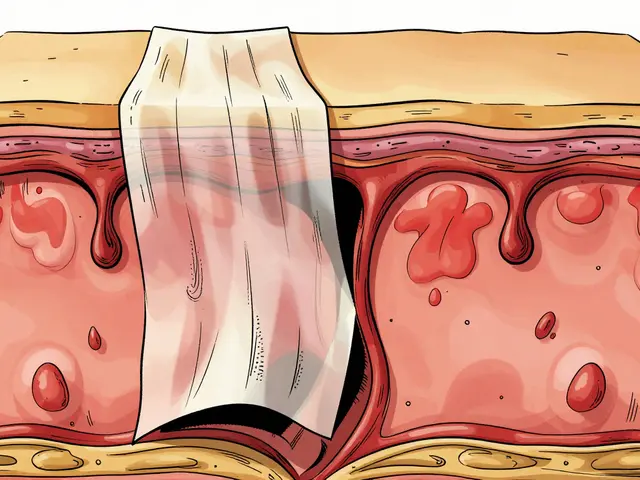
When your bones start to weaken, bisphosphonates, a class of drugs that slow bone loss by targeting cells that break down bone tissue. Also known as bone-resorption inhibitors, they’re one of the most studied treatments for osteoporosis and other conditions that cause bones to become fragile. These medications don’t build new bone, but they stop the body from tearing it down too fast—giving your skeleton a chance to stay strong longer.
Bisphosphonates are used mostly in older adults, especially women after menopause, but they also help people with cancer that’s spread to the bones, Paget’s disease, or long-term steroid use. They come as pills you take once a week or once a month, or as an IV infusion given in a clinic. Not all bisphosphonates are the same—some, like alendronate and risedronate, are taken orally, while others like zoledronic acid are given yearly by injection. Each has slightly different dosing, side effects, and how long they stick around in your bones.
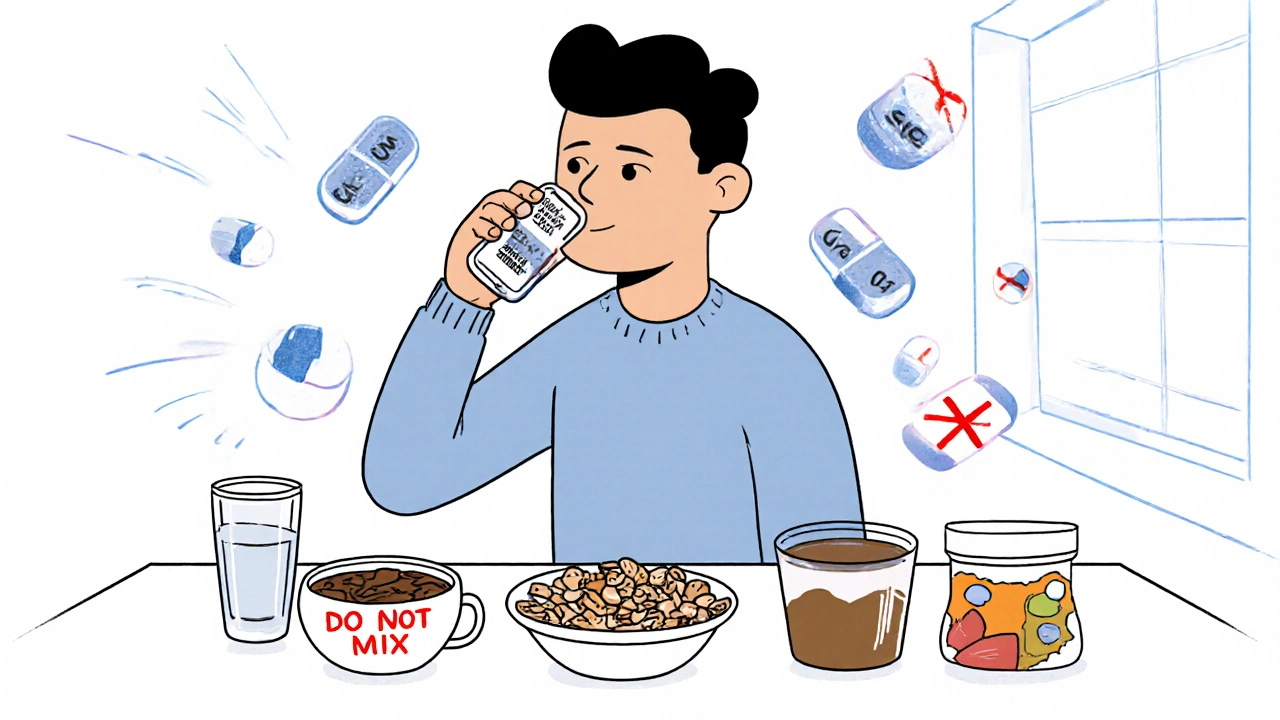
They’re not magic. You still need enough calcium and vitamin D, weight-bearing exercise, and to avoid smoking or heavy drinking. And they’re not for everyone. Some people get stomach upset from the pills. A rare but serious risk is jawbone problems or unusual thigh fractures after years of use. That’s why doctors don’t just hand them out—they check your kidney function, dental health, and bone density first.
You’ll see posts here about how bisphosphonates interact with other drugs, what labs to track while taking them, and how they compare to newer treatments like denosumab. Some articles dig into why certain people respond better than others, and what to do if you’ve been on them for years and wonder if it’s time to stop. Others talk about real-world problems—like forgetting to take them correctly, or skipping doses because the instructions are confusing.
Whether you’re just starting out on bisphosphonates or have been on them for a while, this collection gives you the facts you need—not the hype. No fluff. No marketing. Just what works, what doesn’t, and what to ask your doctor next.