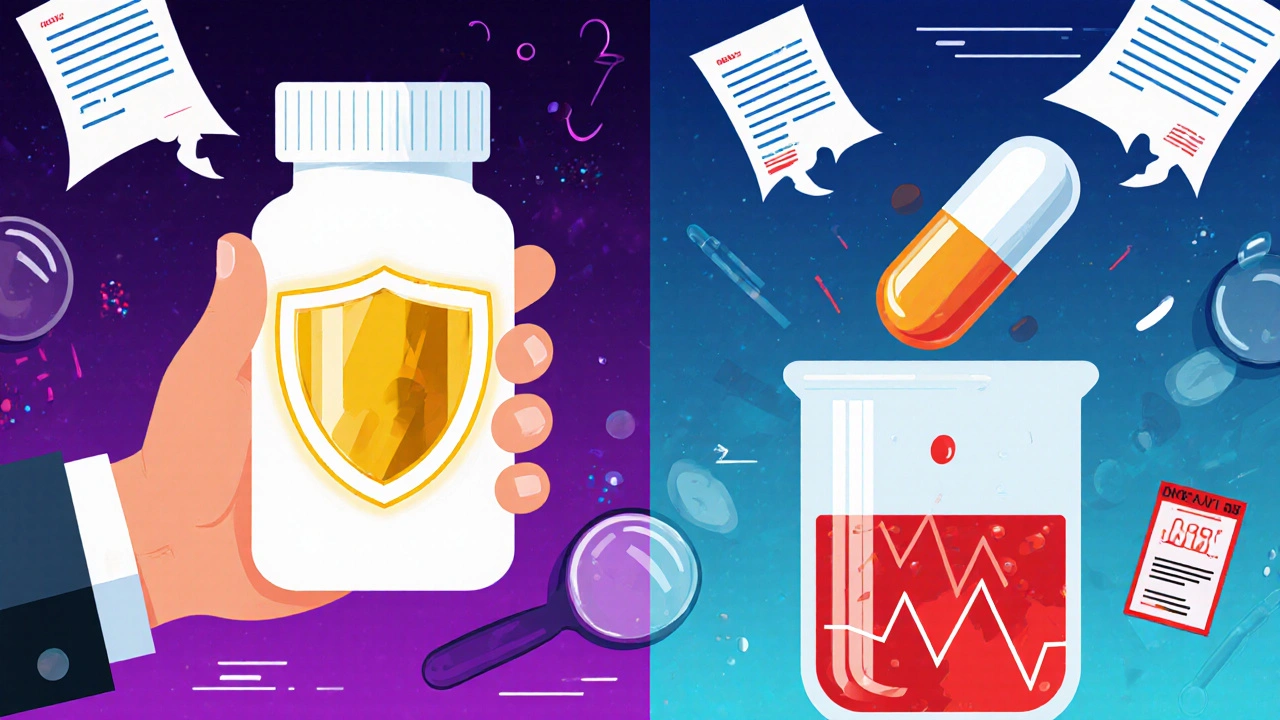
NTI Generics: What You Need to Know About Generic Drugs and Their Real-World Impact
When you hear NTI generics, generic drugs with a narrow therapeutic index, meaning there’s very little room for error in dosage. Also known as narrow therapeutic index medications, these are drugs where even a small change in blood level can lead to treatment failure or serious side effects. Think of them like a tightrope walk—too little and the drug doesn’t work; too much and you could end up in the hospital. This isn’t just theory. It’s why the FDA and doctors treat NTI generics differently than regular generics.
Not all generic drugs are created equal, and narrow therapeutic index, a term describing drugs where the difference between a safe and toxic dose is very small is the key reason why. Drugs like warfarin, levothyroxine, phenytoin, and cyclosporine fall into this category. For example, switching from one brand of levothyroxine to a generic might seem harmless—but a tiny shift in thyroid hormone levels can throw your metabolism off, cause heart palpitations, or make you feel exhausted for weeks. The same goes for warfarin: a 10% change in blood concentration can mean the difference between preventing a clot and causing a dangerous bleed.
These aren’t just theoretical risks. Studies show that patients on NTI generics who switch between brands more than once have higher rates of hospital visits. Why? Because even though generics are required to be "bioequivalent," that standard allows for up to a 20% variation in absorption. For most drugs, that’s fine. For NTI drugs, it’s not. That’s why some pharmacies and doctors stick to one brand—or require special approval before switching. And if you’re on one of these drugs, your body might respond differently to each version, even if they’re both labeled "generic." It’s not about quality—it’s about consistency.
That’s why medication safety, the practice of ensuring drugs are used correctly to avoid harm becomes so critical with NTI generics. It’s not enough to just take your pills. You need to know which version you’re on, whether your pharmacy switched it, and what symptoms to watch for. Many people don’t realize their pill changed until they feel off. A simple blood test or a note from your doctor can prevent a cascade of problems.
And here’s the thing: not every NTI drug is handled the same way across states or pharmacies. Some require a prescription for a specific brand. Others let pharmacists substitute freely. You have to be the one asking. Don’t assume your pill is the same just because the name changed. If you’re on one of these drugs, keep a list of the exact brand and manufacturer on your phone. Ask your pharmacist every time you refill: "Is this the same as last time?" If you notice new side effects—fatigue, dizziness, irregular heartbeat, mood swings—don’t brush it off. It might be your medicine.
The posts below dig into real cases where small changes in generic drugs led to big consequences. You’ll find guides on how to spot unsafe switches, what to ask your doctor before a refill, and why some patients do better staying on brand-name versions—even when it costs more. There’s also advice on how to track your lab results, recognize early warning signs, and talk to your pharmacy about consistency. These aren’t abstract ideas. They’re daily decisions that keep people out of the ER.