Orphan Drug Incentives: How Rare Disease Treatments Get Approved and Affordable
When a medicine targets a disease that affects fewer than 200,000 people in the U.S., it qualifies as an orphan drug, a medication developed specifically for a rare medical condition that otherwise wouldn’t be profitable to produce. Also known as rare disease drugs, these treatments often fill critical gaps where no other options exist—like for conditions such as Duchenne muscular dystrophy, certain types of leukemia, or familial hypercholesterolemia. Without special rules, pharmaceutical companies would have little reason to invest in them. That’s where orphan drug incentives, a set of government policies designed to encourage the development of treatments for rare diseases come in.
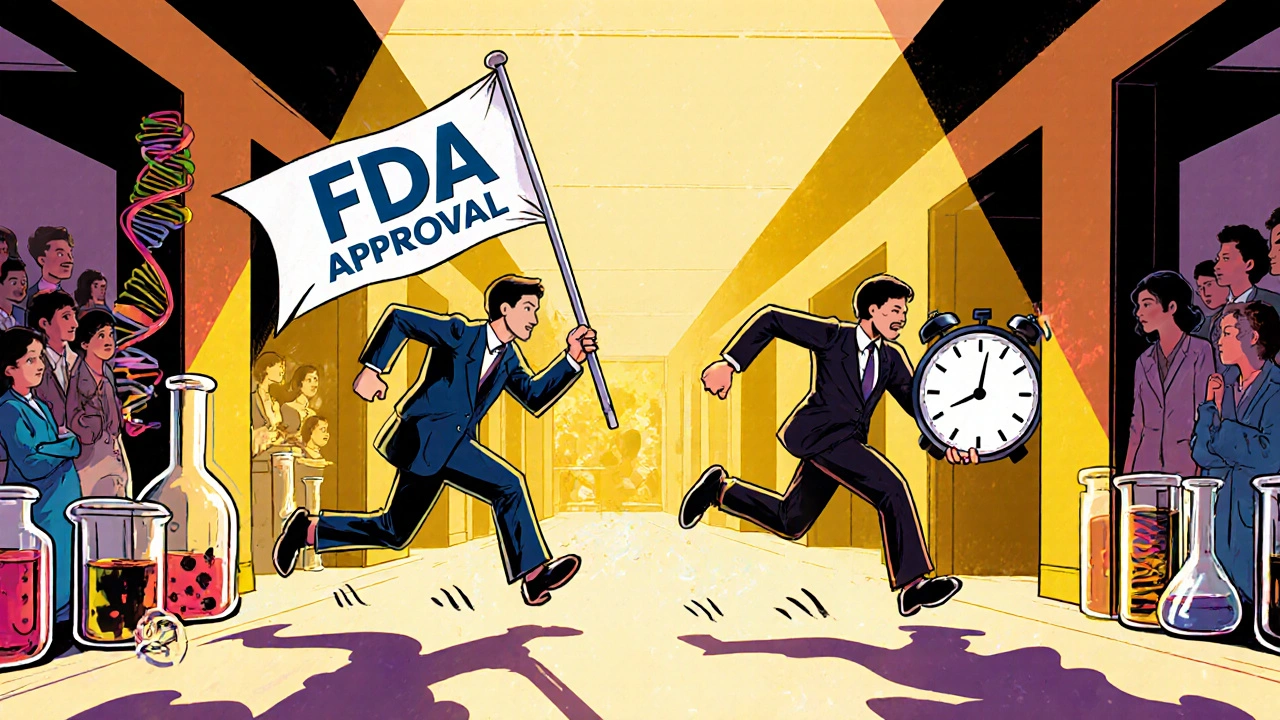
These incentives aren’t just nice-to-haves—they’re what make these drugs possible. The biggest one? Seven years of market exclusivity after FDA approval, meaning no other company can sell a similar drug for that same condition during that time. That’s longer than regular patents. Add to that tax credits for clinical trial costs, grants to help fund research, and waived FDA application fees—some of which can save companies millions—and suddenly, developing a drug for 5,000 patients becomes financially viable. It’s not charity. It’s smart policy. And it’s working. Since the Orphan Drug Act passed in 1983, over 600 rare disease treatments have been approved, compared to just 38 before it.
But it’s not perfect. Some companies exploit the system by buying older drugs, getting orphan status for a tiny new use, then jacking up the price. A drug that once cost $100 a year might become $300,000 after reclassification. Others use orphan status to delay generic competition, even when the disease isn’t that rare anymore. That’s why FDA orphan designation, the official process that grants special status to drugs targeting rare conditions is under constant review. Meanwhile, patients and advocates push for more transparency and fair pricing.
What you’ll find in the posts below isn’t just theory. It’s real-world examples of how drug development works under these rules—like how fixed-dose combinations help patients with rare conditions take fewer pills, or how pharmacogenomics testing makes treatments more precise for small patient groups. You’ll see how medication monitoring and dosing adjustments matter even more when you’re one of the few people on a drug. And you’ll learn why some drugs get special treatment—not because they’re magic, but because the system was built to make sure no one gets left behind.