Pill Burden: How Too Many Medications Hurt Your Health
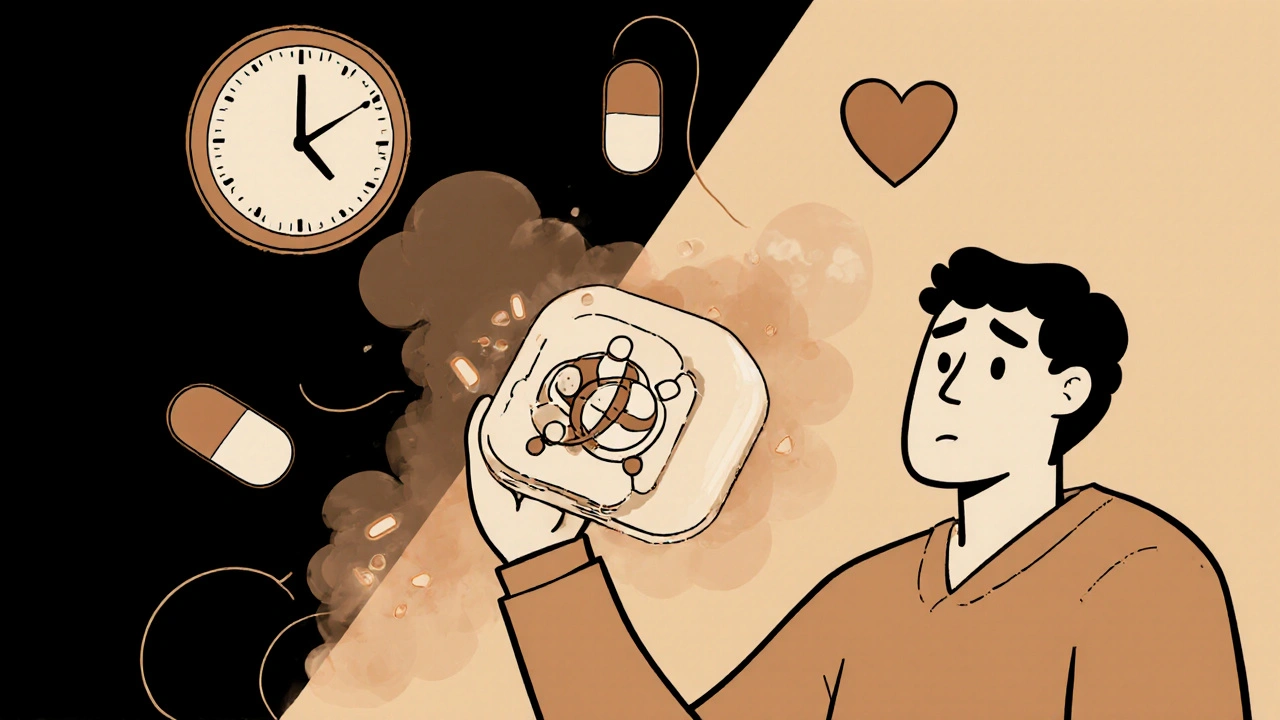
When you’re managing several health conditions, it’s easy to think more pills mean better care. But pill burden, the cumulative effect of taking multiple medications daily, often leading to confusion, side effects, and reduced quality of life. Also known as polypharmacy, it’s not just about the number of pills—it’s about how they interact, how well you can take them, and whether each one still truly helps. Many people over 65 take five or more medications every day. Some take ten, fifteen, even twenty. And for many, not one of those drugs was ever reviewed together as a full picture.
That’s where drug interactions, when two or more medications change how each other works in your body, sometimes dangerously come in. Take rifampin—it can drop the level of your blood thinner so low it stops working. Or sedating meds like antihistamines and sleep aids that make older adults trip and fall. Then there’s medication review, a structured check-up of all your drugs to remove what’s unnecessary, adjust doses, or swap risky combos. Medicare offers one yearly—but most people don’t know how to prepare for it. And even when they do, doctors often skip asking if that cholesterol pill from 2015 is still needed.
Pill burden doesn’t just affect seniors. Parents switching kids to generics might not realize some asthma or seizure meds don’t play nice with cheaper versions. Commercial drivers on painkillers or anxiety meds risk losing their license. People with chronic pain or depression often pile on meds hoping for relief, not knowing one might be causing the very problem they’re trying to fix—like statins causing muscle pain, or steroids triggering anxiety. It’s not that the drugs are bad. It’s that they’re stacked without a plan.
The good news? You don’t have to live with this mess. A simple list of every pill, supplement, and OTC drug you take—plus the reason you take it—is the first step. Bring it to your next appointment. Ask: "Is this still helping?" "Could any of these be causing my dizziness?" "What happens if I stop one?" You don’t need a specialist. You just need to speak up. The articles below show real cases: how metformin dosing changes with kidney function, why sedating meds increase fall risk, how biologics cut the number of pills needed for autoimmune disease, and what to do when your anxiety comes from your antidepressant. This isn’t about cutting pills. It’s about making sure every pill you take still earns its place.