Teratogenic Drugs: What They Are and Which Medications Can Harm a Developing Baby
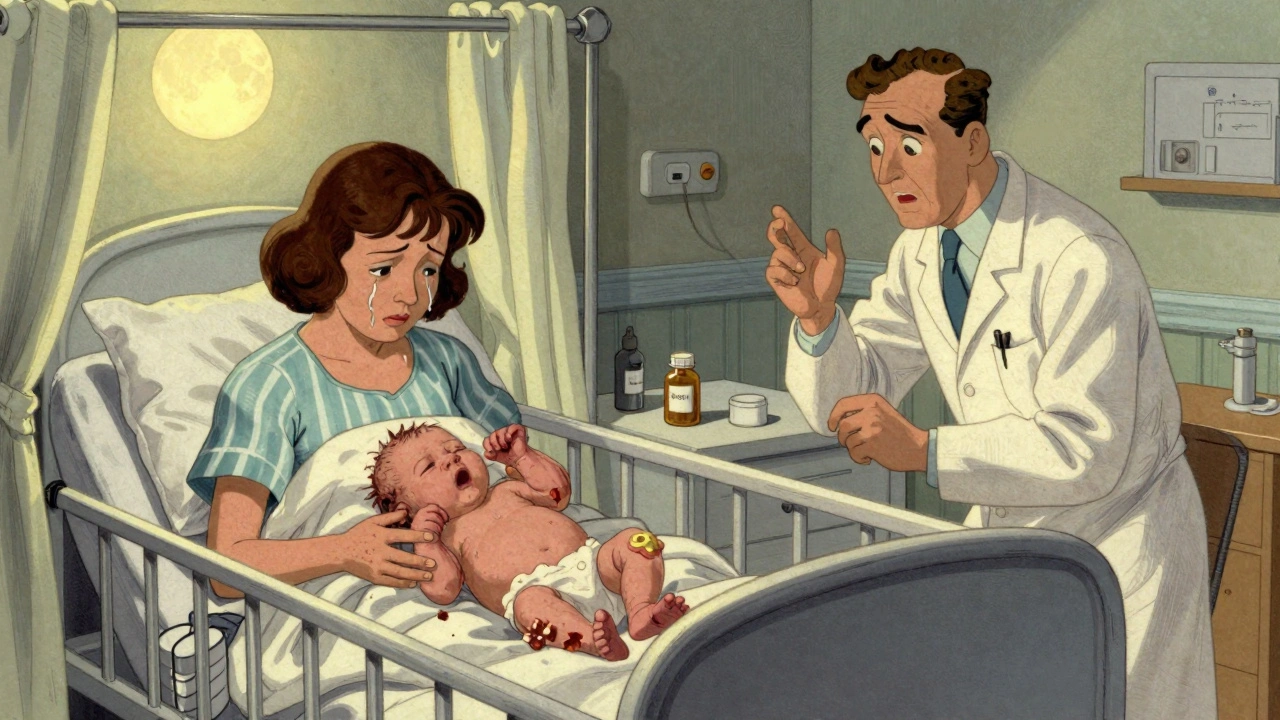
When you’re pregnant, every pill, supplement, or prescription carries weight. Some medications are teratogenic drugs, substances that can interfere with fetal development and cause birth defects. Also known as fetal toxicants, these drugs don’t just affect the mother—they can permanently alter how a baby’s organs, limbs, or nervous system form. This isn’t theoretical. Thalidomide, once prescribed for morning sickness in the 1950s, led to thousands of babies born with missing or malformed limbs. Today, we know more—but many still don’t realize how common teratogenic risks are.
Not all teratogenic drugs are obscure. Some are found in everyday prescriptions. Accutane, a powerful acne medication, is one of the most well-documented. Even a single dose during early pregnancy can cause severe brain, heart, and facial deformities. Lithium, used to treat bipolar disorder, increases the risk of a rare heart defect called Ebstein’s anomaly. And NSAIDs, like ibuprofen and naproxen, can reduce amniotic fluid and affect fetal kidney development if taken after 20 weeks. These aren’t rare cases—they’re documented, preventable risks.
What makes this tricky is that not every drug has clear warning labels. Some only show risks in animal studies. Others are safe in early pregnancy but dangerous later. That’s why timing matters as much as the drug itself. The first trimester is the most sensitive—when organs are forming. But even later, drugs like ACE inhibitors, used for high blood pressure, can harm fetal kidneys and cause low amniotic fluid. The good news? Many conditions can be managed safely during pregnancy. Your doctor can often switch you to a safer alternative. For example, instead of Accutane, topical treatments or antibiotics might work. Instead of NSAIDs, acetaminophen is usually fine.
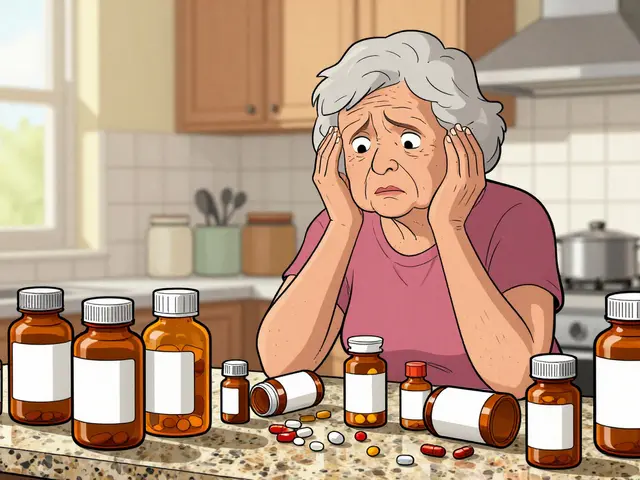
It’s not about fear. It’s about awareness. If you’re planning a pregnancy or just found out you’re pregnant, don’t panic and don’t stop meds cold turkey. Talk to your provider. Bring your full list—prescriptions, supplements, even over-the-counter pills. Many women take antidepressants, seizure meds, or thyroid drugs and have healthy babies because their treatment was adjusted properly. The goal isn’t to avoid all meds—it’s to avoid the wrong ones at the wrong time.
Below, you’ll find real-world guides on drug interactions, side effects, and safety during pregnancy. Some articles cover lithium and NSAIDs together. Others explain how age and kidney function change how your body handles meds. These aren’t abstract theories—they’re practical, tested advice from people who’ve been there. Whether you’re managing a chronic condition or just wondering if that cold medicine is safe, you’ll find answers here.