Thalidomide: What It Is, Why It's Controversial, and How It's Used Today
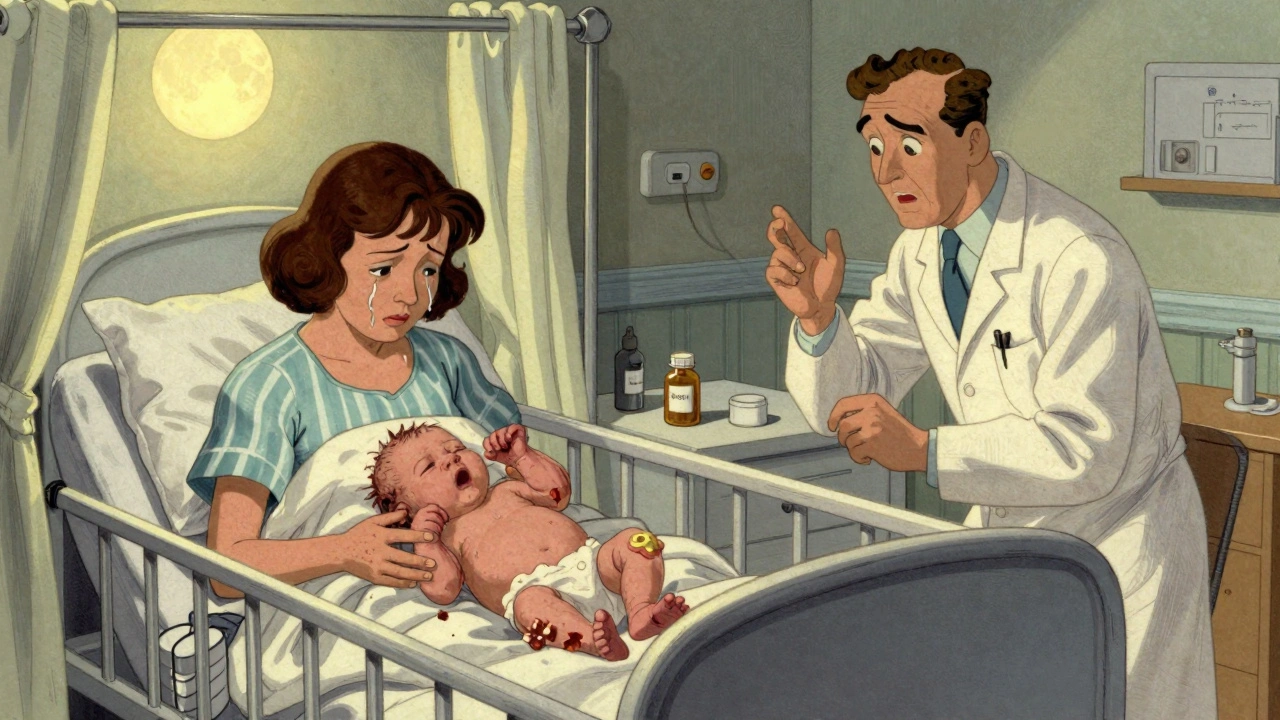
When you hear the name thalidomide, a sedative and immunomodulatory drug once prescribed to pregnant women for morning sickness. Also known as Contergan, it became one of the most infamous drugs in medical history after causing severe birth defects in over 10,000 babies worldwide in the late 1950s and early 1960s. The tragedy changed how drugs are tested, approved, and monitored—especially for use in pregnancy. Today, thalidomide isn’t banned. It’s tightly controlled, used only under strict programs, and prescribed for specific, life-threatening conditions.
Thalidomide’s ability to suppress the immune system and block blood vessel growth made it useful for treating leprosy, a chronic infectious disease that damages nerves and skin, particularly a painful complication called erythema nodosum leprosum. Later, doctors discovered it helped patients with multiple myeloma, a cancer of plasma cells in the bone marrow. It’s now part of combination therapies that extend survival and improve quality of life. But even today, every prescription comes with warnings: no pregnancy, no breastfeeding, strict birth control, and mandatory enrollment in risk management programs like STEPS.
What’s often overlooked is how thalidomide reshaped drug regulation. Before its fallout, many countries didn’t require rigorous testing for birth defects. Afterward, the FDA and other agencies forced drugmakers to prove safety across all populations—not just healthy adults. That’s why today’s medications for women of childbearing age come with detailed risk guides. Thalidomide also showed that a drug can be both deadly and lifesaving, depending on how and when it’s used. That duality still influences how we handle other high-risk medications, like isotretinoin for acne or certain chemotherapy drugs.
You won’t find thalidomide on store shelves. You won’t get it from a routine prescription. It’s only available through specialized pharmacies and under close supervision. But its legacy lives on—not just in the patients who benefit from it, but in every safety check, every pregnancy test, every warning label you see today. The posts below cover related topics: how drugs affect developing fetuses, why some medications carry hidden risks, and how modern medicine balances benefit against danger. You’ll see how one drug’s failure led to better systems—and how those systems still protect people today.