Benadryl Toxicity: Signs, Risks, and What to Do If You Overdose
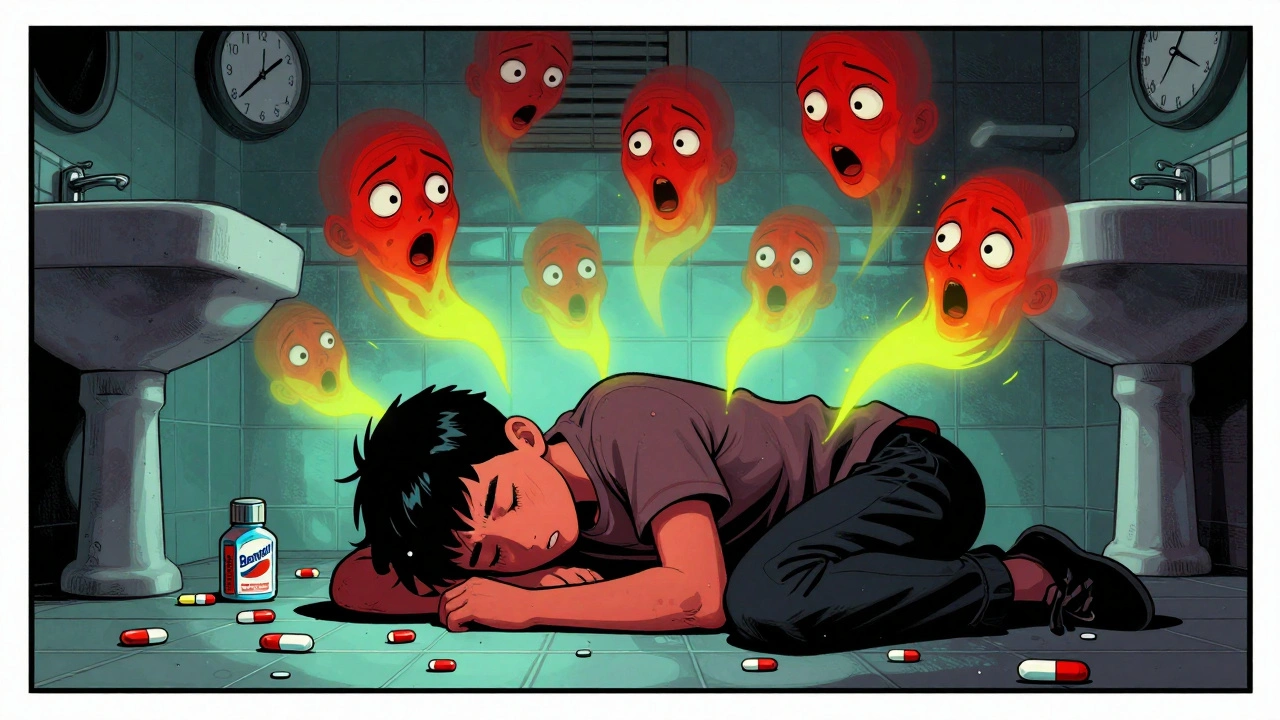
When you take too much Benadryl, an antihistamine commonly used for allergies, sleep, or cold symptoms. Also known as diphenhydramine, it can cause serious, even life-threatening effects when taken in high doses. Many people think because it’s sold over the counter, it’s safe at any amount. That’s not true. Benadryl toxicity isn’t rare—it shows up in emergency rooms every year, often from people trying to sleep, self-treating anxiety, or mixing it with other meds.
Benadryl toxicity hits hardest when it slows down your brain and breathing. High doses cause extreme drowsiness, confusion, blurred vision, and a racing heart. In severe cases, people stop responding, have seizures, or go into coma. Older adults are especially vulnerable because their bodies clear the drug slower. Kids can overdose too, even from a few extra pills. And if you’re already on other sedatives—like sleep aids, opioids, or anti-anxiety meds—the risk jumps fast. This isn’t just about taking too many pills at once. It’s also about how Benadryl interacts with other drugs you might be taking daily.
What makes Benadryl dangerous isn’t just the dose—it’s the delay in recognizing the danger. People often don’t realize they’re overdosing until they’re too far gone. You might feel dizzy or dry-mouthed and think it’s normal. But when you start slurring words, can’t stand up, or can’t remember where you are, it’s already serious. Emergency care is needed fast. There’s no home remedy. No amount of water or coffee will fix it.
The posts below cover real cases and hidden risks. You’ll find how sedatives like Benadryl can trigger respiratory depression, why mixing them with other meds is a silent killer, and how age, kidney function, and genetics change how your body handles the drug. You’ll also see how these effects connect to broader issues like fall risk in seniors, drug interactions with blood pressure meds, and why some people react worse than others. This isn’t theoretical. These are the stories behind the stats. What you read here could help you or someone you care about spot a problem before it’s too late.