Bioequivalence: What It Means for Generic Drugs and Your Health
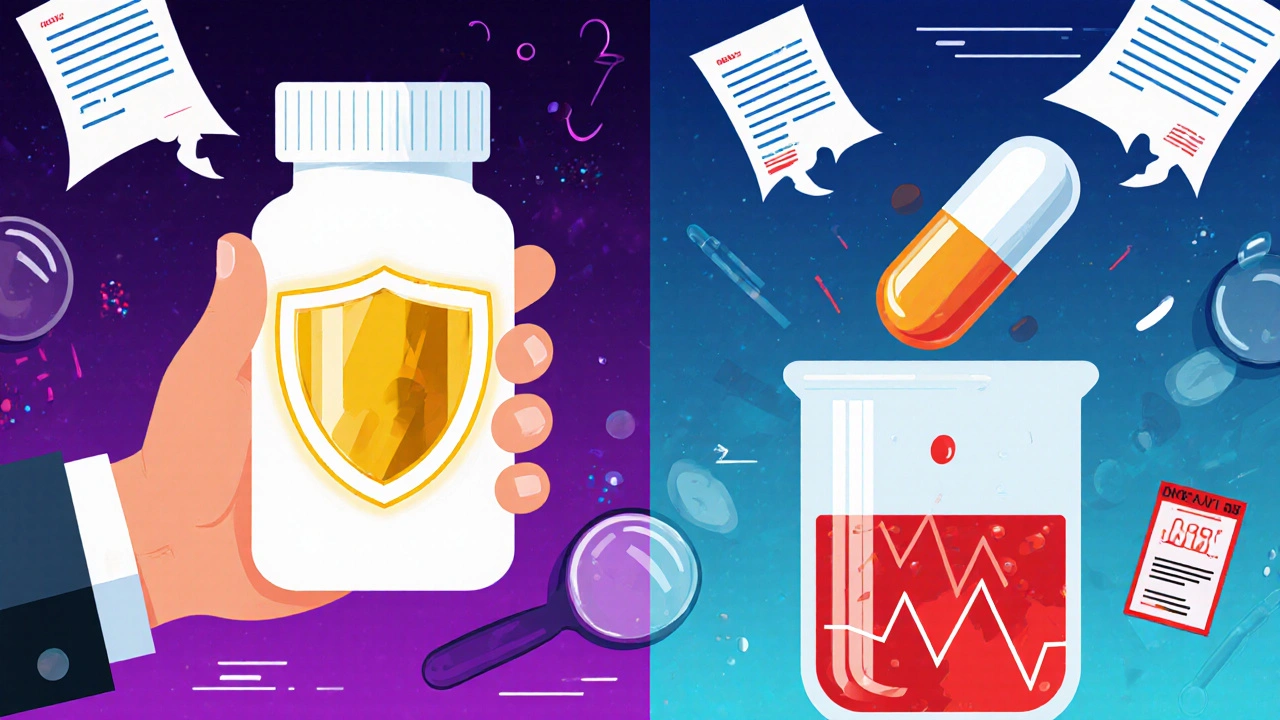
When you pick up a generic pill, you want to know it will do the same job as the brand-name version. That’s where bioequivalence, the scientific standard that proves two drug formulations release the same amount of active ingredient at the same rate in the body. Also known as therapeutic equivalence, it’s the reason your pharmacist can swap your brand-name blood pressure pill for a cheaper version without risking your health. Without bioequivalence, generics could be too weak, too strong, or act too slowly—putting your treatment at risk.
It’s not just about cost. Bioequivalence is tested through pharmacokinetics, how your body absorbs, distributes, metabolizes, and clears a drug over time. These tests measure blood levels after taking the drug, comparing the generic to the original. If the peak concentration and total exposure fall within strict limits (usually 80–125%), the drugs are considered bioequivalent. This isn’t guesswork—it’s regulated by the FDA and other global agencies. You’ll find this data behind every approved generic, even if you never see it.
But bioequivalence doesn’t mean identical in every way. The inactive ingredients—fillers, dyes, coatings—can differ. For most people, that’s fine. But for those with allergies, sensitivities, or conditions like celiac disease, those differences matter. That’s why switching between generics isn’t always harmless, especially with narrow-therapeutic-index drugs like warfarin or levothyroxine. Even small changes in absorption can cause big problems. That’s also why some patients report feeling different after a switch—even if the science says it’s the same.
And here’s something most people don’t realize: bioequivalence studies are done on healthy volunteers, not patients. So while the drug may behave the same in a 30-year-old with normal kidneys, it might not in an 80-year-old with kidney disease. That’s why doctors still monitor labs and symptoms even after a generic switch. It’s not about distrust—it’s about personalization.
When you see posts here about switching medications for kids, statin side effects, or how aging changes drug tolerance, bioequivalence is the quiet foundation. It’s why a generic metformin can replace the brand, why a generic levothyroxine needs careful monitoring, and why some drug interactions—like rifampin lowering anticoagulant levels—can still happen even with generics. It’s the invisible rule that keeps the system working, but it’s not foolproof.
What you’ll find in this collection are real-world stories about when bioequivalence works perfectly—and when it doesn’t. From generic antidepressants that trigger anxiety in some, to calcium supplements that block absorption of osteoporosis drugs, these posts show how the science meets the person. You’ll learn how to spot when a switch might be risky, how to talk to your pharmacist about formulation differences, and why some drugs just shouldn’t be swapped, no matter the price.