Diphenhydramine Overdose: Signs, Risks, and What to Do
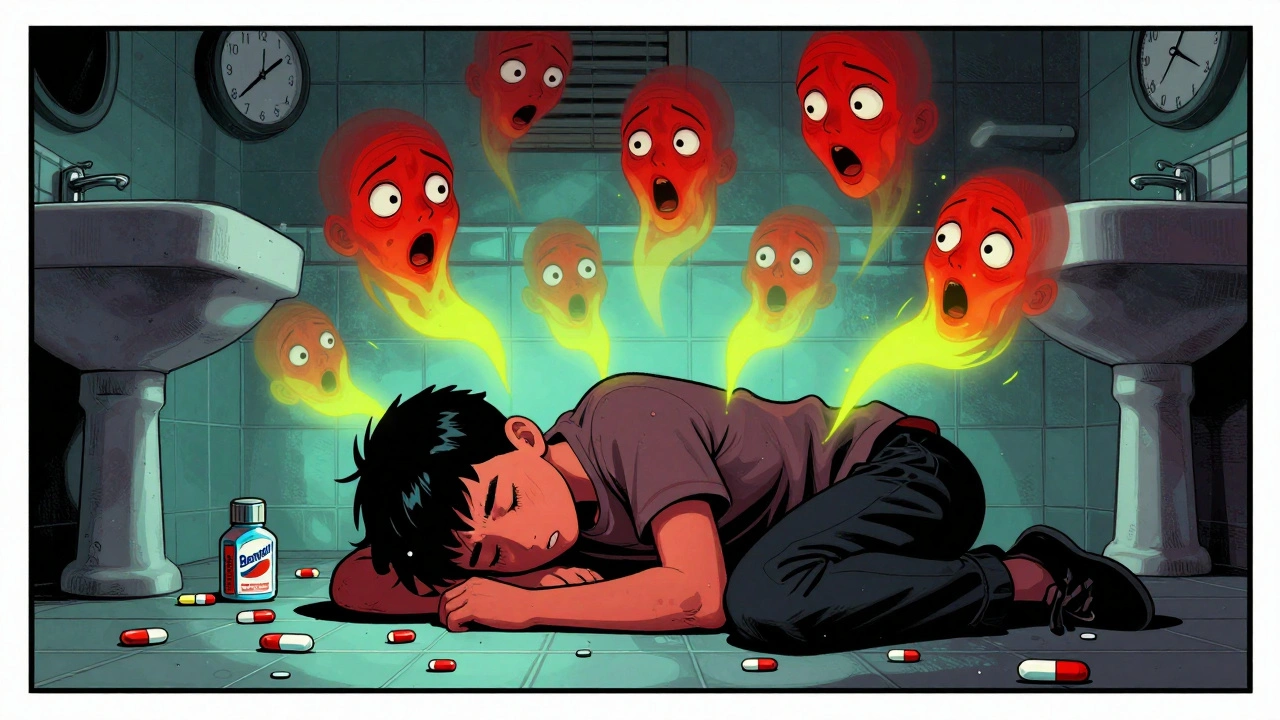
When someone takes too much diphenhydramine, a common antihistamine found in sleep aids and allergy meds like Benadryl. Also known as Benadryl, it’s sold over the counter, but taking more than recommended can shut down your breathing and heart. This isn’t just about feeling sleepy—it’s about your body losing control. Diphenhydramine overdose is one of the most common drug poisonings in young adults, often starting with a simple mistake: "I just need a little more to sleep." But that extra pill, or two, or ten, can turn into a medical emergency.
What makes diphenhydramine dangerous is how it affects your brain and nervous system. At high doses, it acts like a powerful sedative, similar to benzodiazepines, but without the same safety profile. You might start with dry mouth, blurred vision, or a racing heart—then quickly slide into confusion, hallucinations, or seizures. The biggest threat? respiratory depression, when breathing slows or stops because the brain can’t signal the lungs to work. This isn’t rare. Emergency rooms see cases every week, especially after people mix it with alcohol, opioids, or other sedatives. And because it’s easy to buy, many don’t realize how fast things can spiral.
Older adults are especially at risk. Their bodies process drugs slower, and even a standard dose can build up. Combine that with other meds like antidepressants or heart pills, and the chance of overdose spikes. Kids are another group at risk—some parents don’t think twice about giving extra Benadryl for a cold, not knowing it’s not safe for children under six. And then there’s the rise in recreational use. Some teens and young adults take it for the hallucinations, not realizing they’re playing Russian roulette with their brainstem.
There’s no magic number for an overdose—it depends on weight, age, tolerance, and what else is in your system. But if someone is unresponsive, has blue lips, or isn’t breathing normally, diphenhydramine overdose is likely. Time matters. Every minute counts. Call 911 immediately. Don’t wait to see if they "wake up on their own." And don’t try to make them vomit—that can make things worse.
What you’ll find below are real stories and clear facts about what happens when antihistamines go wrong. We cover how to spot the signs early, why some people are more vulnerable, and how other medications make the risk worse. You’ll also see how sedative overdose patterns connect to other drugs like sleep aids and anxiety meds. This isn’t theoretical. These are cases that happened to real people—and could happen again unless you know what to look for.