Lithium Nephrotoxicity: Signs, Risks, and How to Protect Your Kidneys
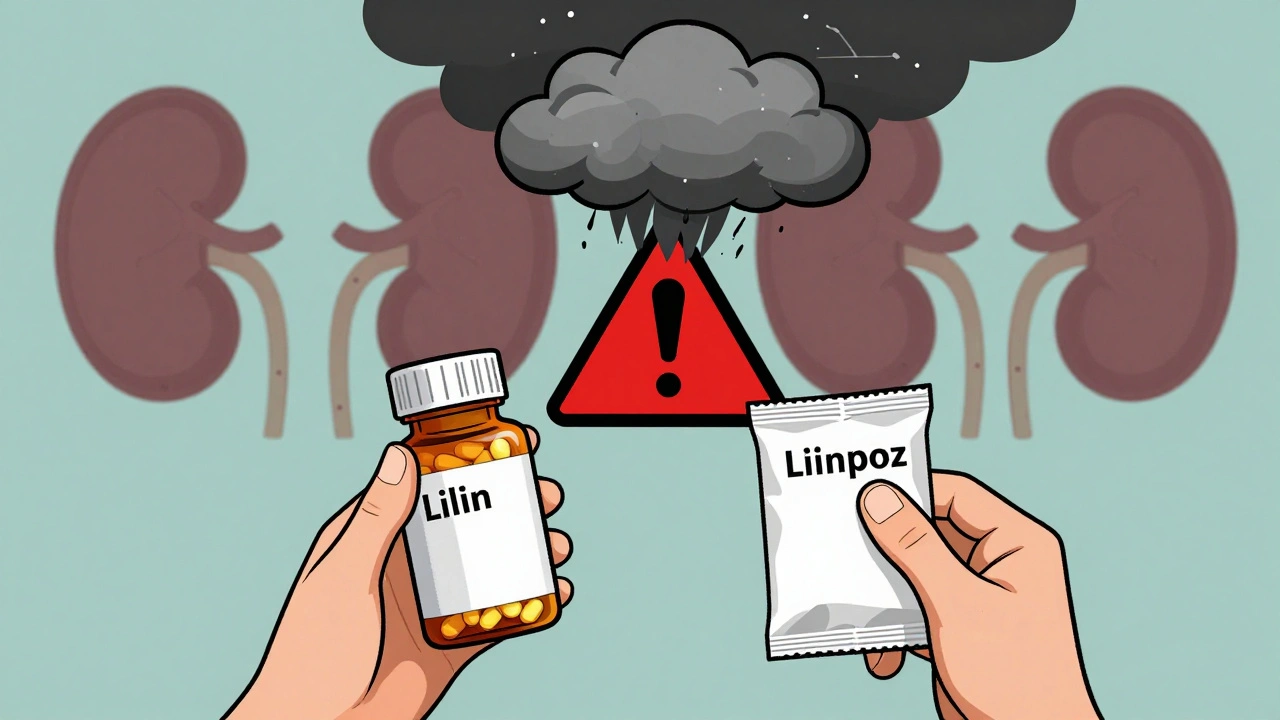
When you take lithium, a mood-stabilizing medication used primarily for bipolar disorder. Also known as lithium carbonate, it helps control extreme mood swings—but it doesn’t come without risks. One of the most serious, yet often overlooked, dangers is lithium nephrotoxicity, kidney damage caused by long-term lithium use. Unlike sudden side effects like tremors or nausea, this damage builds slowly, sometimes over years, and can lead to permanent kidney problems if not caught early.
How does it happen? Lithium is cleared by your kidneys, and over time, it can mess with the organ’s ability to concentrate urine. This leads to a condition called nephrogenic diabetes insipidus, a type of kidney disorder where the kidneys can’t respond properly to the hormone that controls water balance. You might start drinking more water than usual, peeing frequently, or feeling dehydrated even when you’re drinking plenty. These aren’t just inconveniences—they’re red flags. Studies show up to 20-40% of people on long-term lithium develop some form of kidney changes, and a smaller but still significant number end up with chronic kidney disease.
It’s not just about dosage. Age, dehydration, other medications like NSAIDs or ACE inhibitors, and even low sodium intake can make lithium nephrotoxicity worse. People over 60 are at higher risk, and those who’ve been on lithium for more than 10 years need to be especially careful. Regular blood tests to check lithium levels and kidney function aren’t optional—they’re essential. A simple eGFR test can tell you if your kidneys are struggling. And if your doctor isn’t already monitoring you every 3 to 6 months, it’s time to ask why.
Here’s the good news: you don’t have to choose between mental health stability and kidney health. Many people stay on lithium safely for decades with proper monitoring. But ignoring early signs is like driving with a check-engine light on—you might make it to the next town, but something’s breaking down.
In the articles below, you’ll find real-world guidance on spotting trouble early, understanding how lithium interacts with other drugs, and what steps to take if your kidneys start showing stress. You’ll also learn about alternatives, how to reduce your risk, and why some patients need to switch medications—not because lithium stopped working, but because their body can’t handle it anymore.