Lithium NSAID Interaction: Risks, Signs, and What to Do
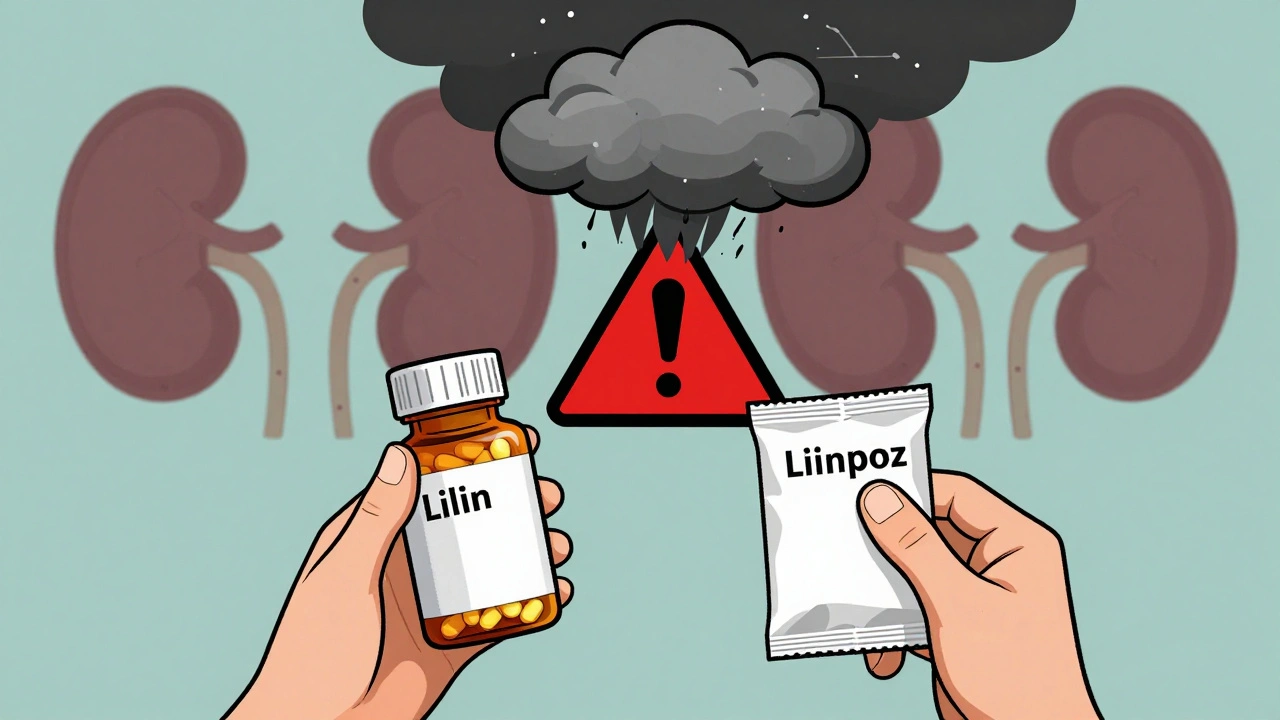
When you take lithium, a mood-stabilizing drug used primarily for bipolar disorder. Also known as lithium carbonate, it works by balancing brain chemicals—but it has a very narrow safety window. Even small changes in how your body handles it can lead to serious toxicity. Many people don’t realize that common over-the-counter pain relievers like NSAIDs, nonsteroidal anti-inflammatory drugs such as ibuprofen, naproxen, and aspirin. Also known as non-opioid painkillers, they’re used for headaches, arthritis, and muscle pain can dramatically increase lithium levels. This isn’t just a theoretical risk—it’s a well-documented, life-threatening interaction that shows up in emergency rooms every year.
Here’s how it works: your kidneys clear lithium from your body. NSAIDs reduce blood flow to the kidneys, making them less efficient at removing lithium. The result? Lithium builds up. A level that was safe last week can become toxic in just a few days. Symptoms like hand tremors, nausea, confusion, or dizziness aren’t just side effects—they’re warning signs of lithium toxicity. Older adults, people with kidney issues, or those on diuretics are at highest risk. In fact, studies show that NSAID use can raise lithium blood levels by 25% or more, pushing patients right into the danger zone. This interaction isn’t rare—it’s one of the most common and dangerous drug combos in geriatric care, especially among seniors managing both mood disorders and chronic pain.
What makes this even trickier is that many people don’t connect their new symptoms to their meds. They take ibuprofen for a sore knee, then feel off and blame stress or aging. But if you’re on lithium, any new dizziness, confusion, or stomach upset needs to be checked immediately. Your doctor may suggest switching to acetaminophen instead of NSAIDs, or adjusting your lithium dose. Regular blood tests aren’t optional—they’re essential. And if you’re on multiple meds, especially for high blood pressure or heart disease, you’re even more vulnerable. The posts below cover real cases, warning signs, and practical steps to avoid this hidden danger. You’ll find guides on monitoring labs, how aging affects drug processing, and what to ask your pharmacist when you pick up a new prescription. This isn’t about avoiding pain relief—it’s about getting it safely.