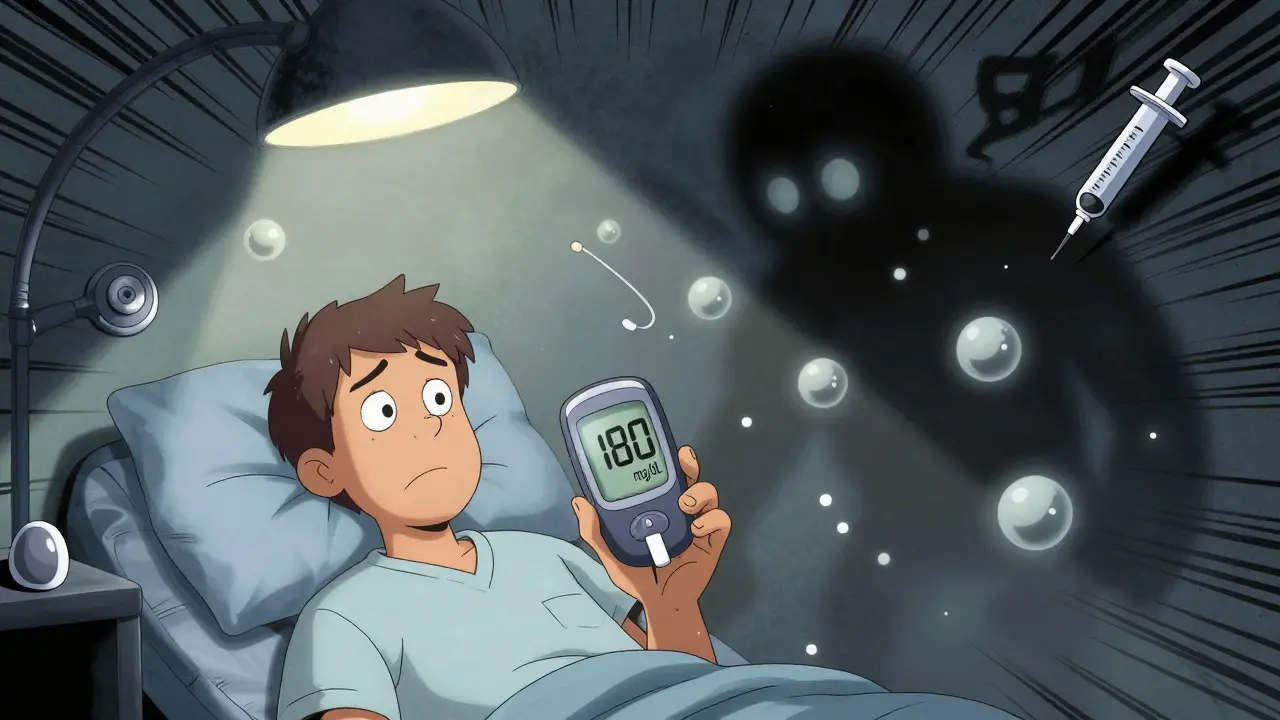
Euglycemic DKA on SGLT2 Inhibitors: How to Recognize and Treat This Hidden Emergency
Euglycemic DKA on SGLT2 inhibitors is a hidden emergency that strikes with normal blood sugar. Learn the symptoms, why it happens, and how to treat it before it’s too late.
Read More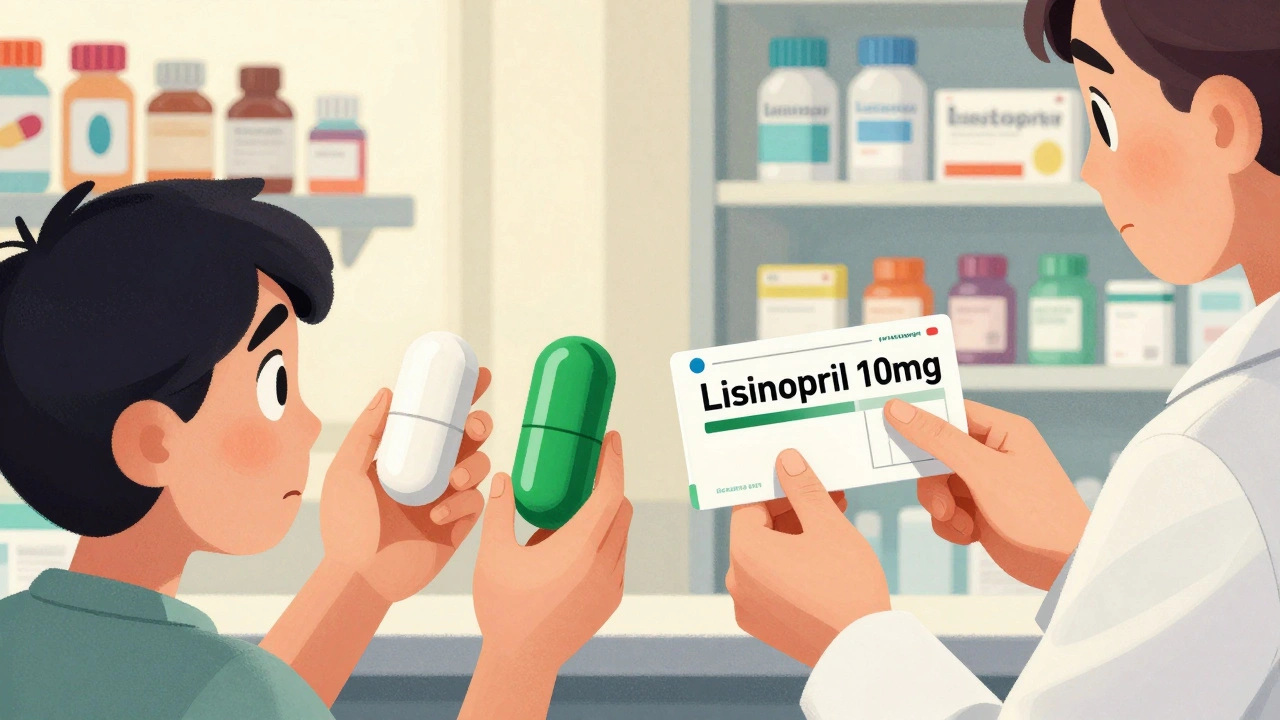
Why Generic Drugs Look Different: The Role of Trademark Laws
Generic drugs look different from brand-name versions because U.S. trademark laws require visual distinction to prevent consumer confusion - not because they're less effective. Learn why color, shape, and size change, and how to stay safe when your prescription looks unfamiliar.
Read More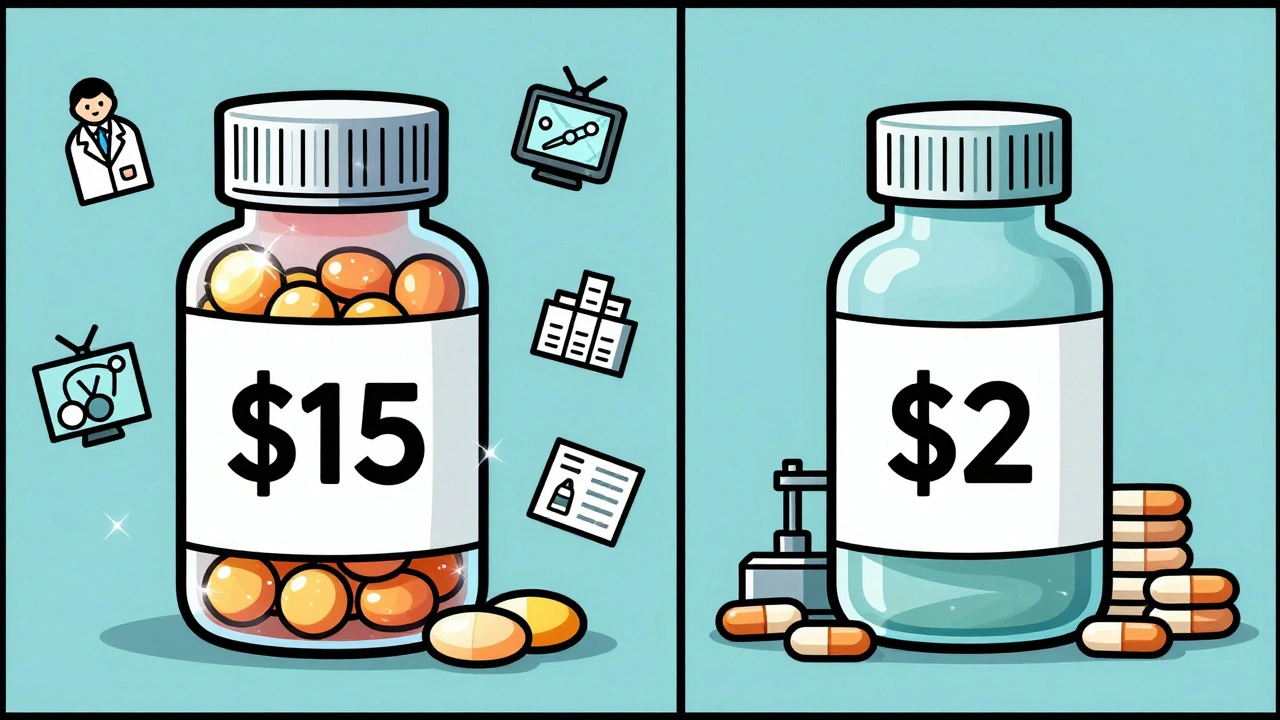
Manufacturing Cost Analysis: Why Generic Drugs Are So Much Cheaper
Generic drugs cost far less than brand-name versions because they skip expensive R&D and marketing. Manufacturing at scale, using proven formulas, and avoiding patent costs makes generics up to 95% cheaper - saving billions in healthcare spending.
Read More
Complex Generic Drugs: Why Some Products Are Harder to Get FDA Approval
Complex generic drugs like liposomal injections and inhalers face major FDA approval hurdles due to scientific, technical, and regulatory challenges - making them far harder to bring to market than simple generics.
Read More
Lithium and NSAIDs: Understanding the Dangerous Kidney Risks
Lithium and NSAIDs together can cause dangerous kidney damage and life-threatening toxicity. Learn why even short-term use of common painkillers like ibuprofen is risky for bipolar patients and what safer alternatives exist.
Read More
Betaxolol: A Practical Guide for Patients and Caregivers
A practical guide to using betaxolol for glaucoma and high blood pressure, covering how it works, side effects, proper use, what to avoid, and when to call your doctor. Essential info for patients and caregivers.
Read More
International Perspectives on NTI Generics: How Regulatory Approaches Differ Across Countries
NTI generics require tighter regulatory controls due to their narrow safety margin. This article compares how the FDA, EMA, Canada, Japan, and others regulate these high-risk drugs - and what it means for patient safety and global access.
Read More
Orphan Drug Exclusivity: How Rare-Disease Medicines Get Market Protection
Orphan drug exclusivity gives pharmaceutical companies seven years of market protection for rare-disease treatments, driving development of life-saving drugs despite small patient populations. Here’s how it works, who benefits, and why it’s changing.
Read More
Fixed-dose combination drugs: what they are and why they exist
Fixed-dose combination drugs combine two or more medicines in one pill to improve adherence, reduce pill burden, and enhance treatment outcomes. They're widely used in heart disease, TB, and HIV, but not all combinations are justified.
Read More
Renal Dosing for Metformin and SGLT2 Inhibitors: When to Adjust
Learn when and how to adjust metformin and SGLT2 inhibitor doses for kidney disease. Updated guidelines now allow safer use at lower eGFR levels-here’s what you need to know.
Read More