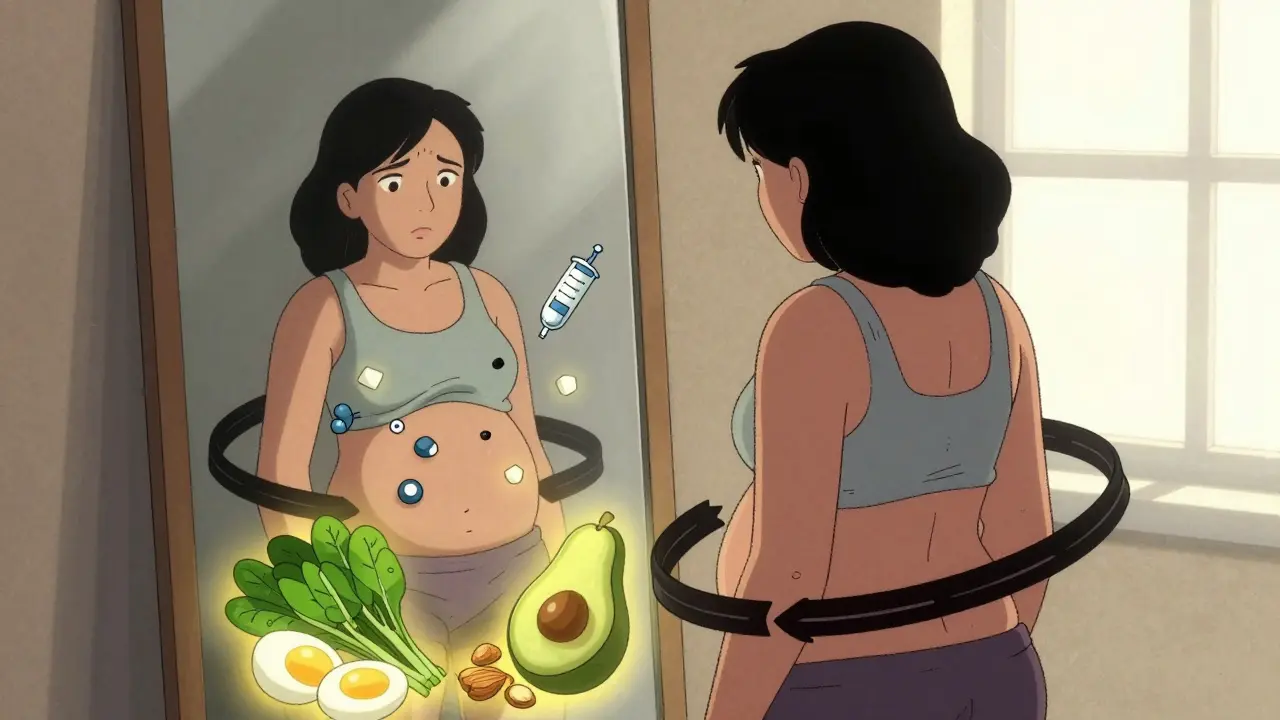
PCOS and Weight: How Insulin Resistance Drives Fat Gain and What to Eat Instead
PCOS and weight gain are deeply linked through insulin resistance. This article explains how high insulin drives belly fat, cravings, and metabolic issues-and what you should actually eat to break the cycle and improve your health.
Read More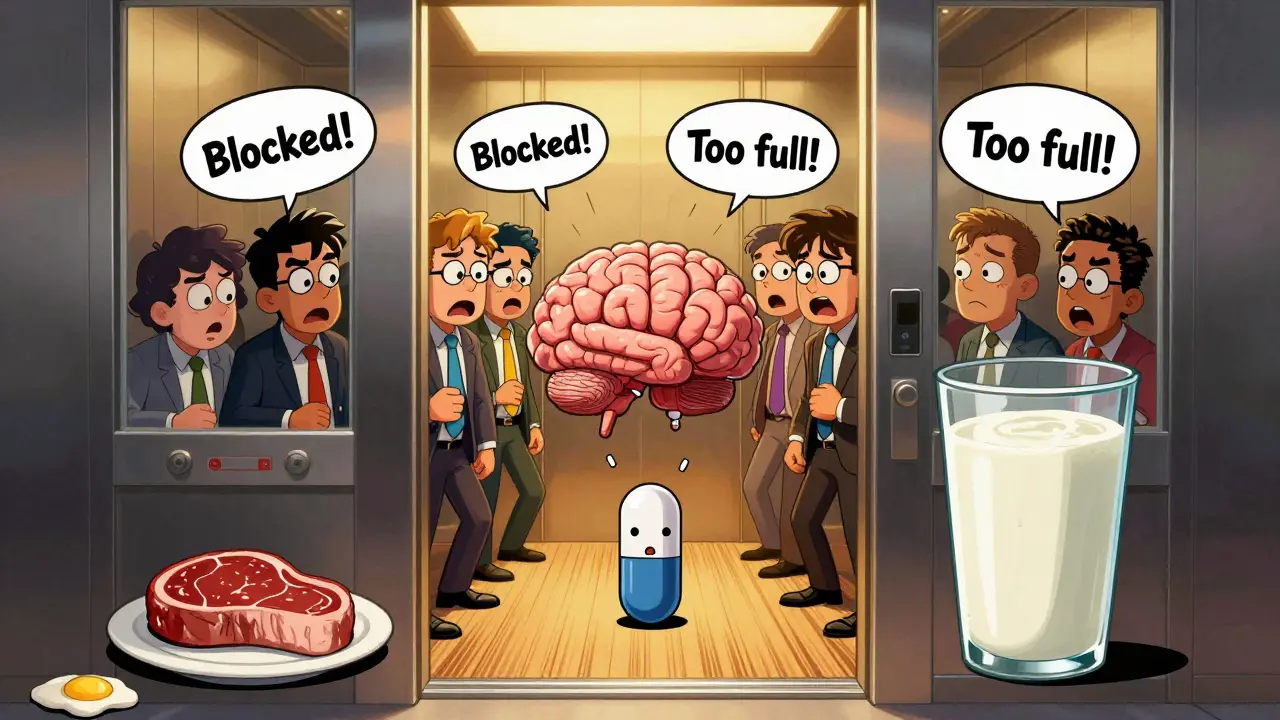
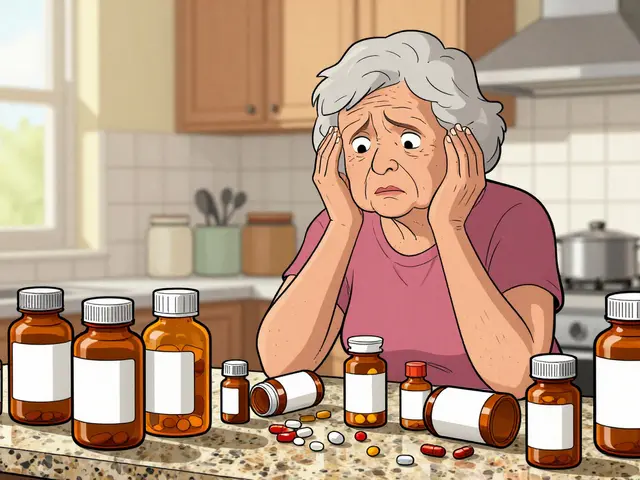
Protein-Rich Foods and Medications: How Diet Affects Absorption and Effectiveness
Protein-rich meals can reduce medication absorption by up to 50% for drugs like levodopa. Learn how timing, protein redistribution, and dietary tools can improve effectiveness without sacrificing nutrition.
Read More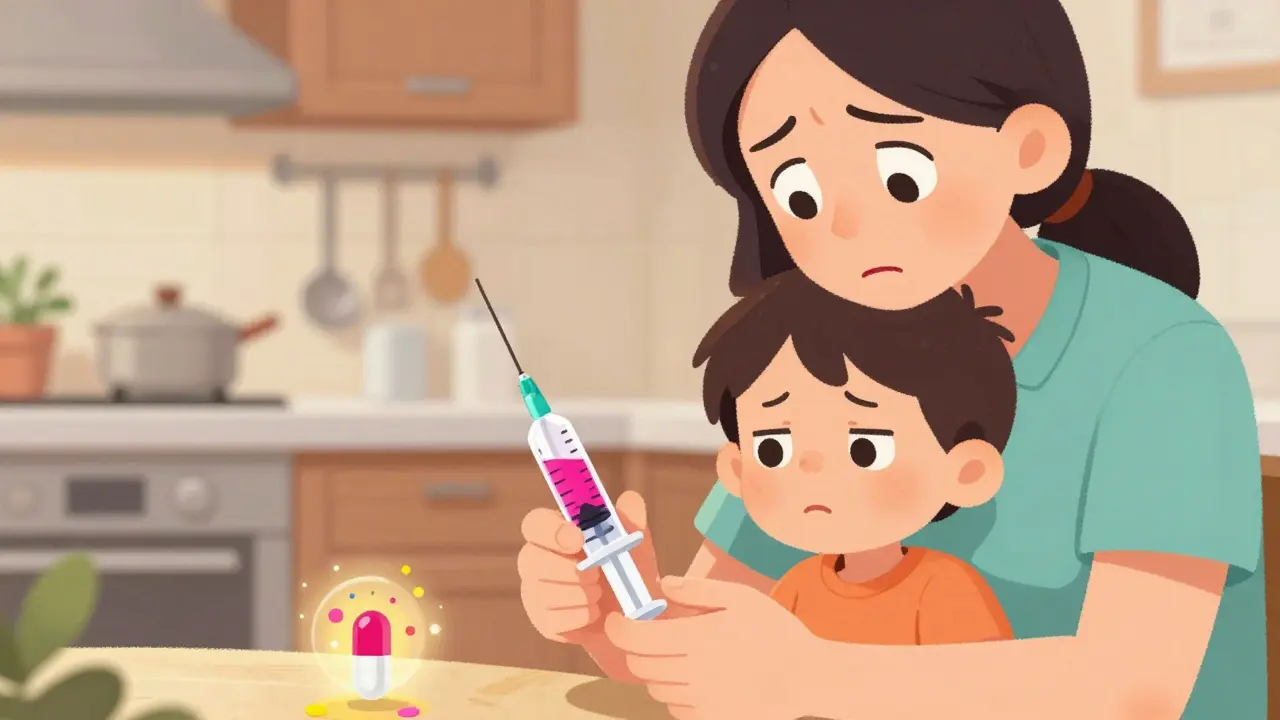
Liquid vs. Tablet Medications for Children: What to Choose
Choosing between liquid and tablet medications for kids isn't just about convenience - it's about safety, cost, and long-term adherence. Learn why tablets are often the better choice - and how to help your child swallow them.
Read More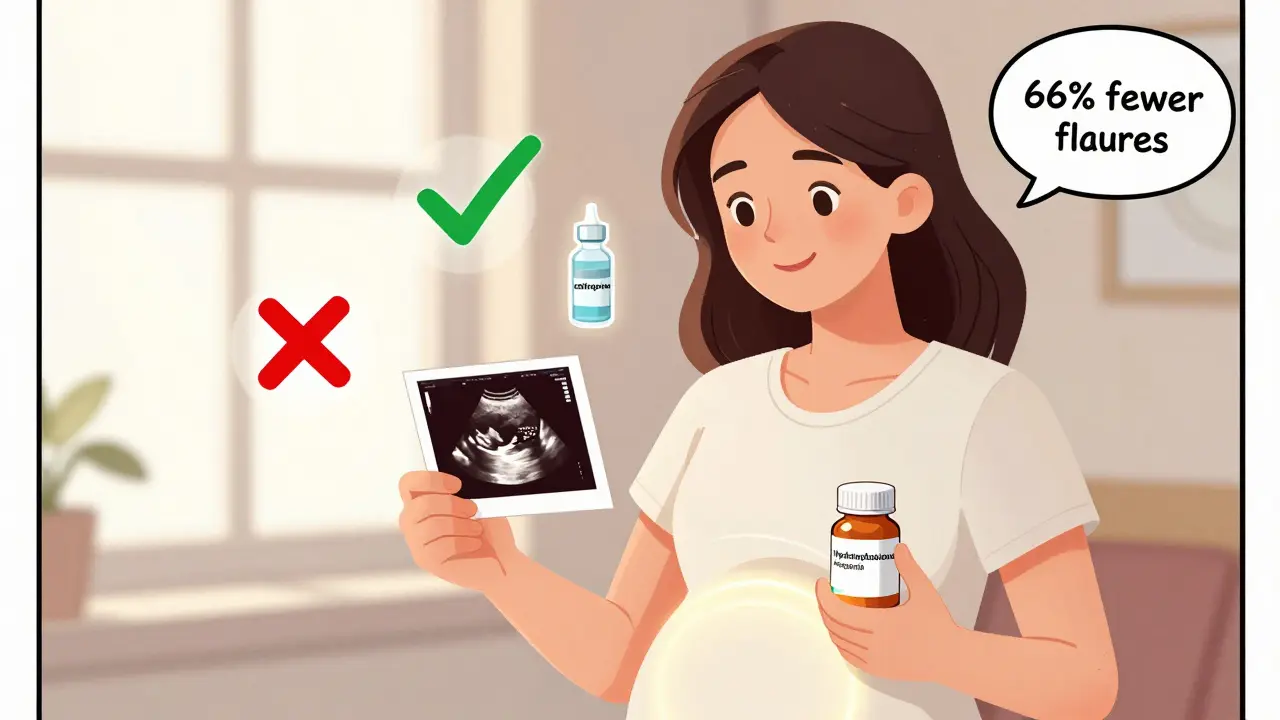
Pregnancy and Autoimmune Disease: Medication Safety and Planning
Pregnancy with an autoimmune disease doesn't mean giving up your meds. New guidelines show 87% of treatments are safe during pregnancy and breastfeeding. Learn which drugs to keep, which to switch, and how to plan ahead for the best outcome.
Read More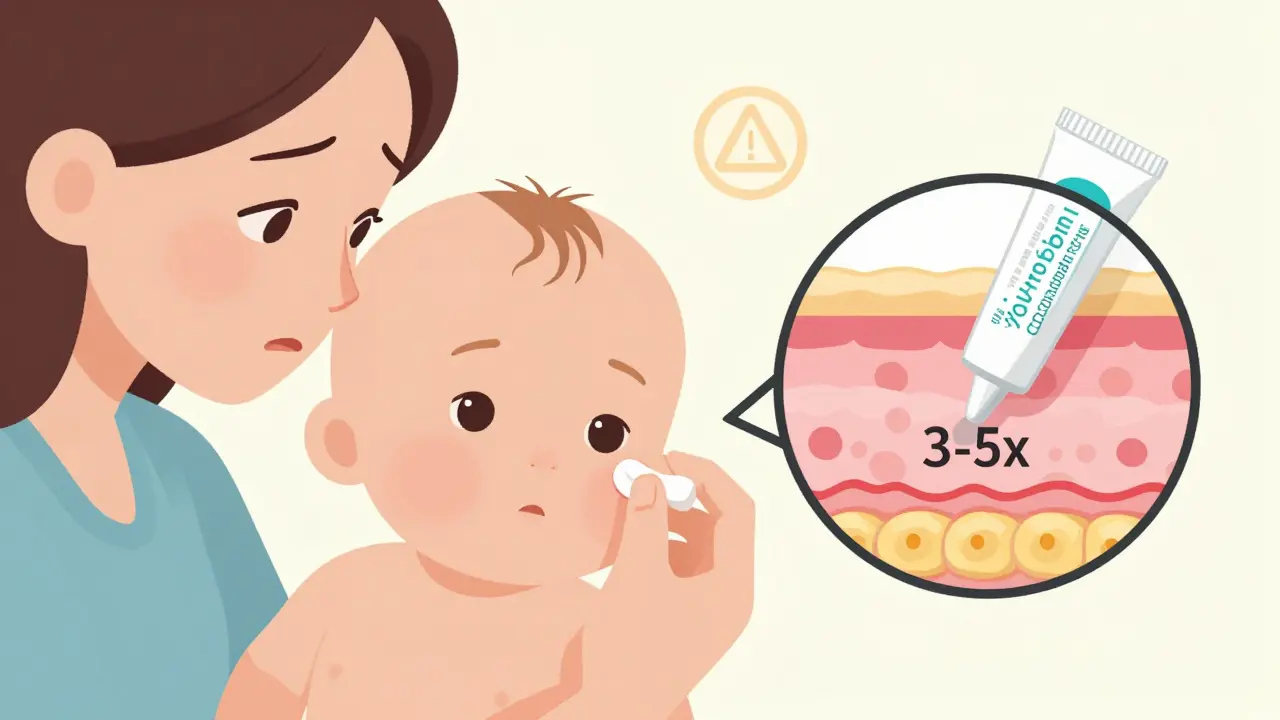
Safe Use of Topical Medications and Creams in Children: What Parents Must Know
Topical creams for kids can be lifesavers-but also dangerous if used wrong. Learn the hidden risks of benzocaine, lidocaine, and steroids, how much is safe, and what to do if something goes wrong.
Read More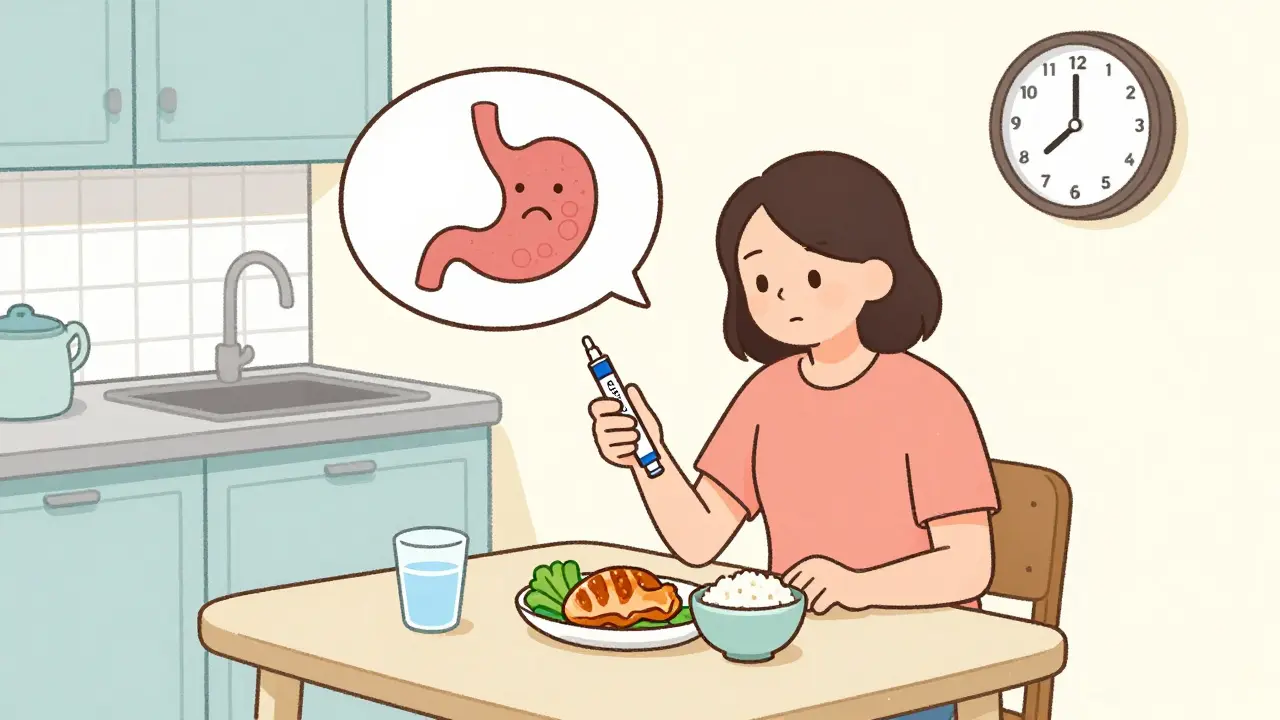
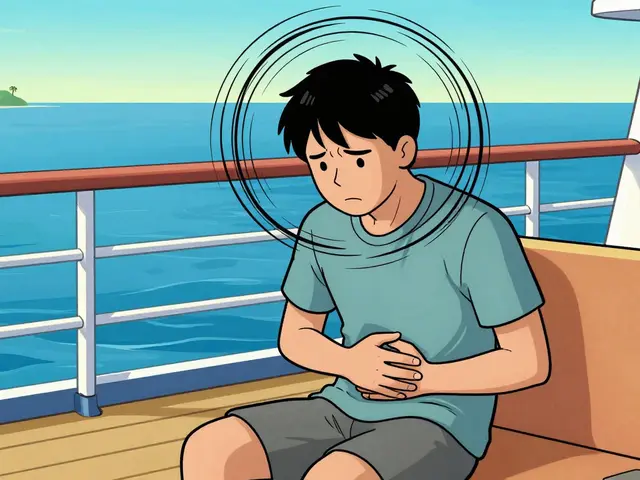
GLP-1 GI Side Effects: Meal Planning and Dose Titration Tips
GLP-1 medications like Ozempic and Wegovy cause common GI side effects, but strategic meal planning and symptom-guided dosing can reduce nausea, vomiting, and diarrhea-helping you stay on treatment and get the full benefits.
Read More
ADHD in Adults: How Organization, Coaching, and Medication Safety Work Together
ADHD in adults isn't just about being distracted - it's a neurodevelopmental condition that affects organization, time management, and daily functioning. Medication, coaching, and practical systems can dramatically improve quality of life when used together safely and consistently.
Read More
Tyramine-Rich Foods and MAO Inhibitors: What You Must Avoid to Prevent Hypertensive Crisis
Tyramine-rich foods can trigger a dangerous hypertensive crisis in people taking MAO inhibitors. Learn which foods to avoid, how newer MAOIs reduce dietary restrictions, and what to do if you accidentally eat something risky.
Read More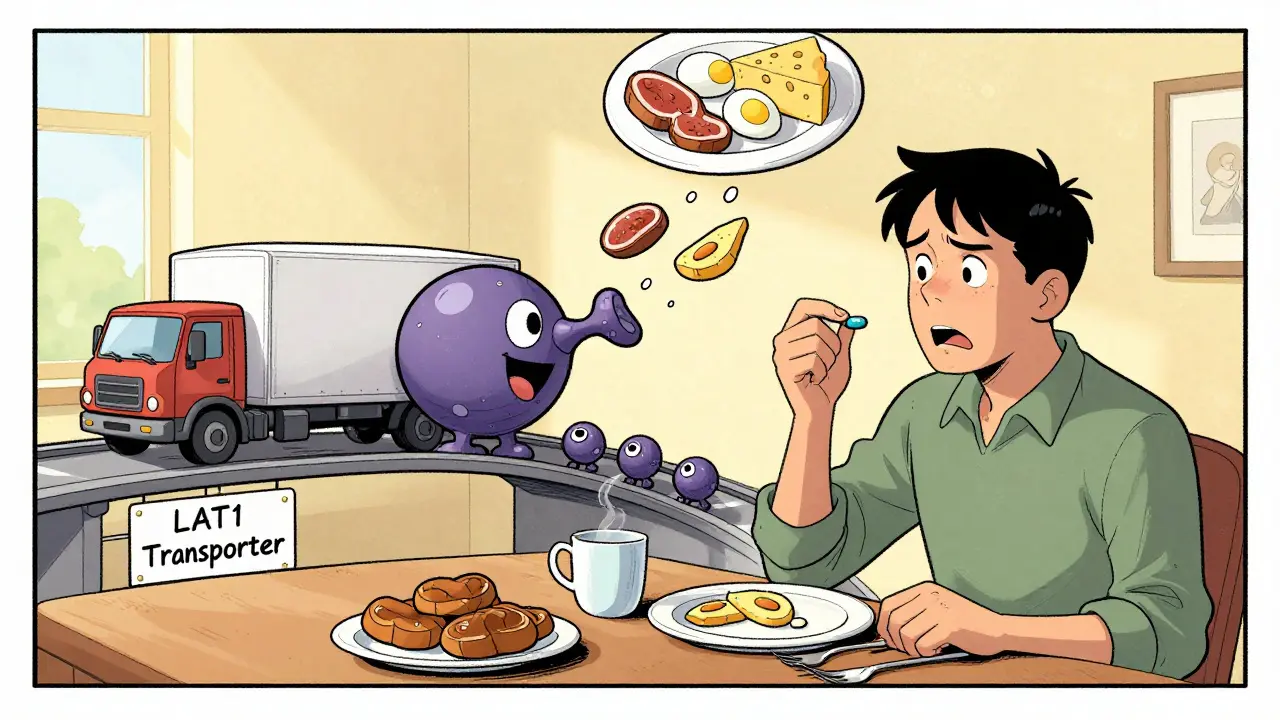
High-Protein Diets and Levodopa: How Food Choices Affect Parkinson's Motor Control
High-protein meals can reduce levodopa effectiveness in Parkinson’s patients by competing for the same transport system in the gut and brain. Learn how timing and redistributing protein can improve motor control and quality of life.
Read More
UK Substitution Laws: How NHS Policies Are Changing Medication and Care Delivery
UK NHS substitution laws are reshaping how medicines are dispensed and care is delivered. From mandatory generic drug swaps to remote pharmacy services, these 2025 reforms aim to cut costs - but are they risking patient safety?
Read More