Do Biosimilars Work as Well as Original Biologics? Clinical Evidence Explained
Biosimilars are proven to work as well as original biologics in treating chronic diseases like arthritis, Crohn’s, and cancer. Real-world data from hundreds of thousands of patients confirms equivalent safety and effectiveness-with major cost savings.
Read More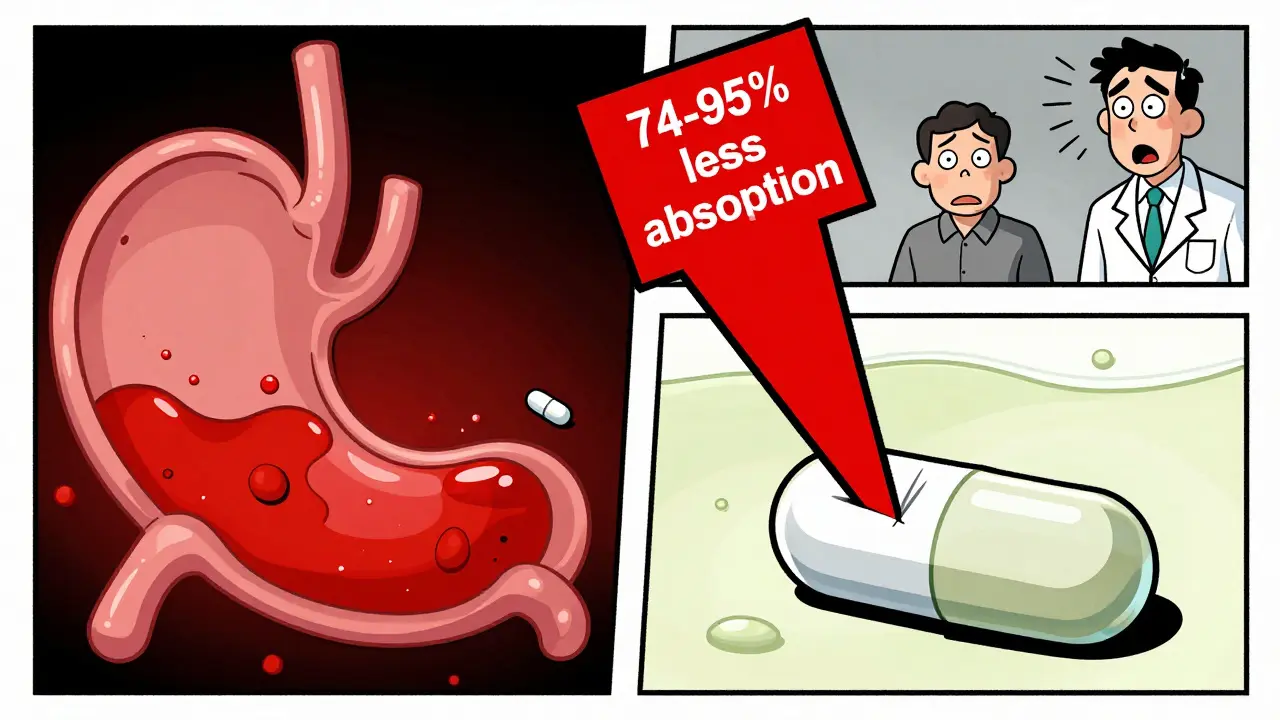
Acid-Reducing Medications: How They Interfere with Other Drugs
Acid-reducing medications like PPIs can drastically reduce the absorption of critical drugs such as HIV antivirals and cancer treatments. Learn which medications are affected, why it happens, and how to prevent dangerous interactions.
Read More
Continuing Education for Pharmacists: Staying Current on Generics
Pharmacists must stay current on generics to ensure safe substitutions. Learn key CE requirements, FDA Orange Book updates, biosimilars, state laws, and how to choose effective training that reduces errors and protects patients.
Read More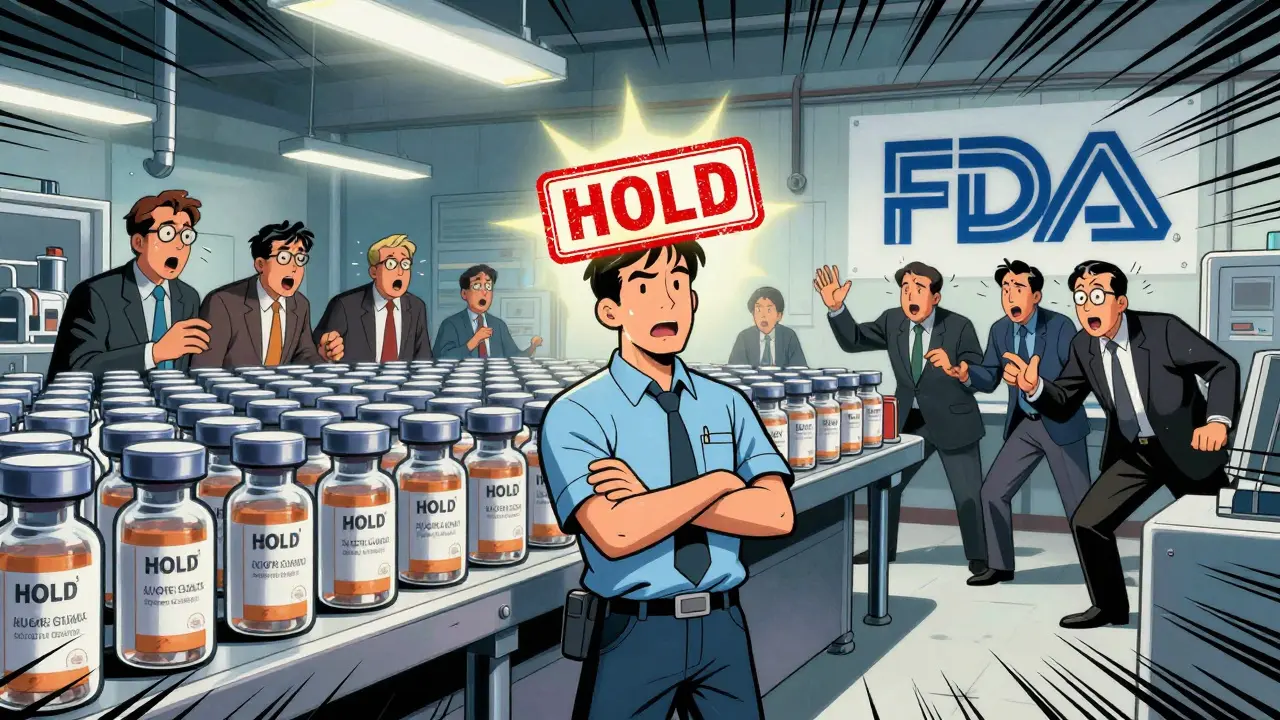
Quality Assurance Units: Why Independent Oversight Is Non-Negotiable in Production
Quality Assurance Units must operate independently from production to ensure safety and compliance. Learn why separation is non-negotiable in pharma and nuclear manufacturing - and how to build a truly effective quality oversight system.
Read More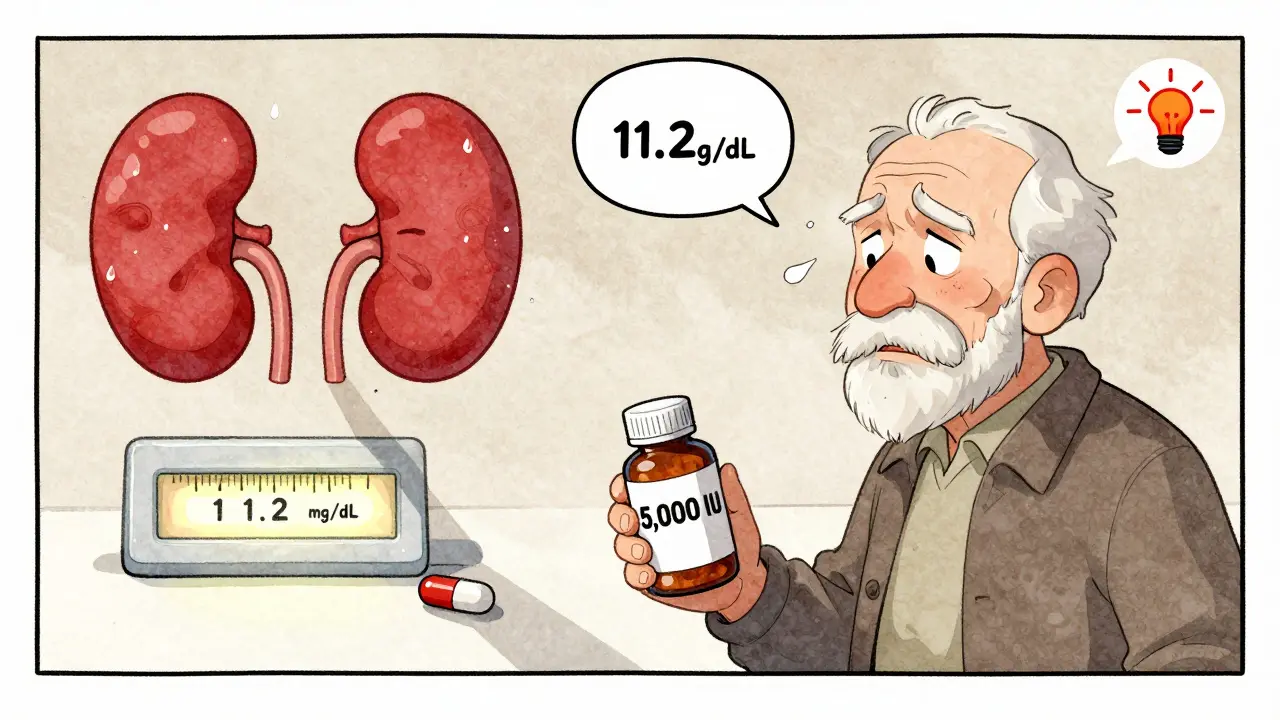
Vitamin D and Thiazide Diuretics: What You Need to Know About Hypercalcemia Risk
Taking vitamin D with thiazide diuretics can raise blood calcium to dangerous levels. Learn how this interaction works, who’s at risk, and what steps to take to stay safe without stopping either medication.
Read More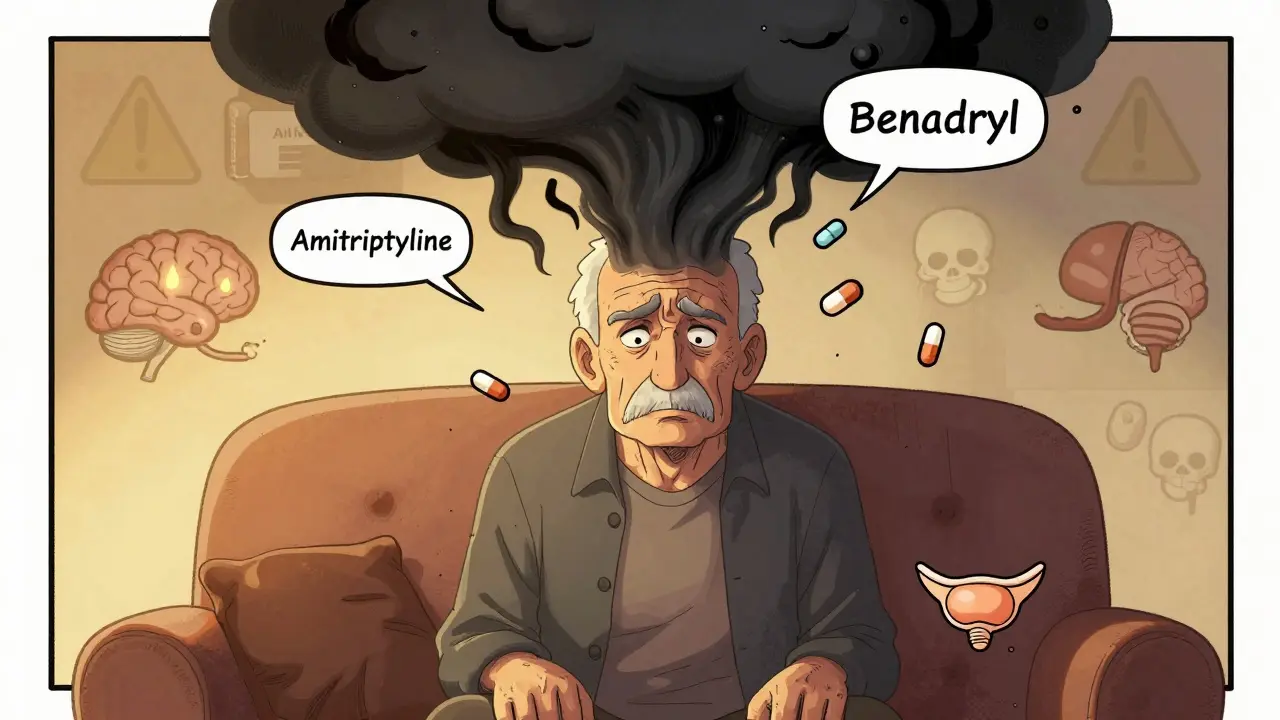
Tricyclic Antidepressants and Antihistamines: The Hidden Danger of Anticholinergic Overload
Combining tricyclic antidepressants like amitriptyline with first-gen antihistamines like Benadryl can cause dangerous anticholinergic overload-leading to confusion, memory loss, and increased dementia risk. Learn how to spot it and switch to safer options.
Read More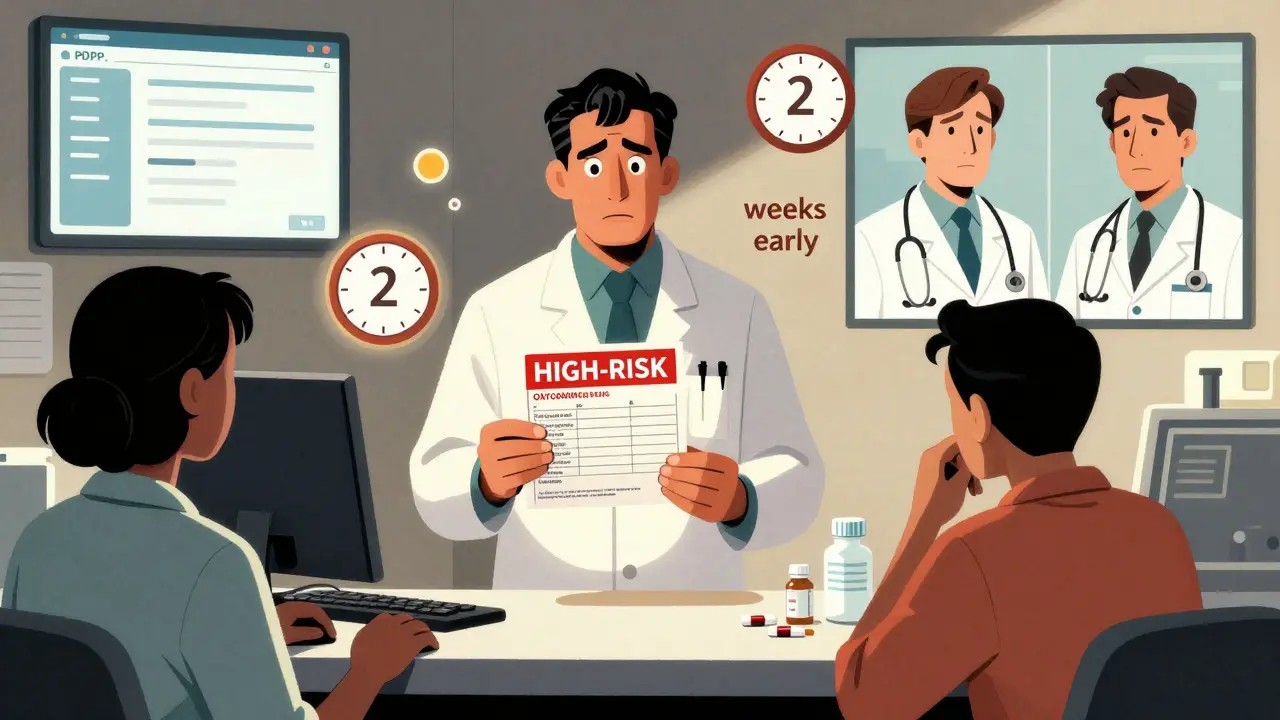
How to Prevent Early Refills and Duplicate Therapy Mistakes in Pharmacy Practice
Learn how pharmacists can prevent dangerous early refills and duplicate therapy mistakes using proven protocols, technology, and patient-centered communication to improve medication safety and reduce harm.
Read More
Alternative Cholesterol Medications: Ezetimibe and Bempedoic Acid for Statin-Intolerant Patients
Ezetimibe and bempedoic acid offer effective, oral alternatives for people who can't tolerate statins. Both lower LDL cholesterol with fewer muscle side effects, and bempedoic acid has proven heart benefits in large trials.
Read More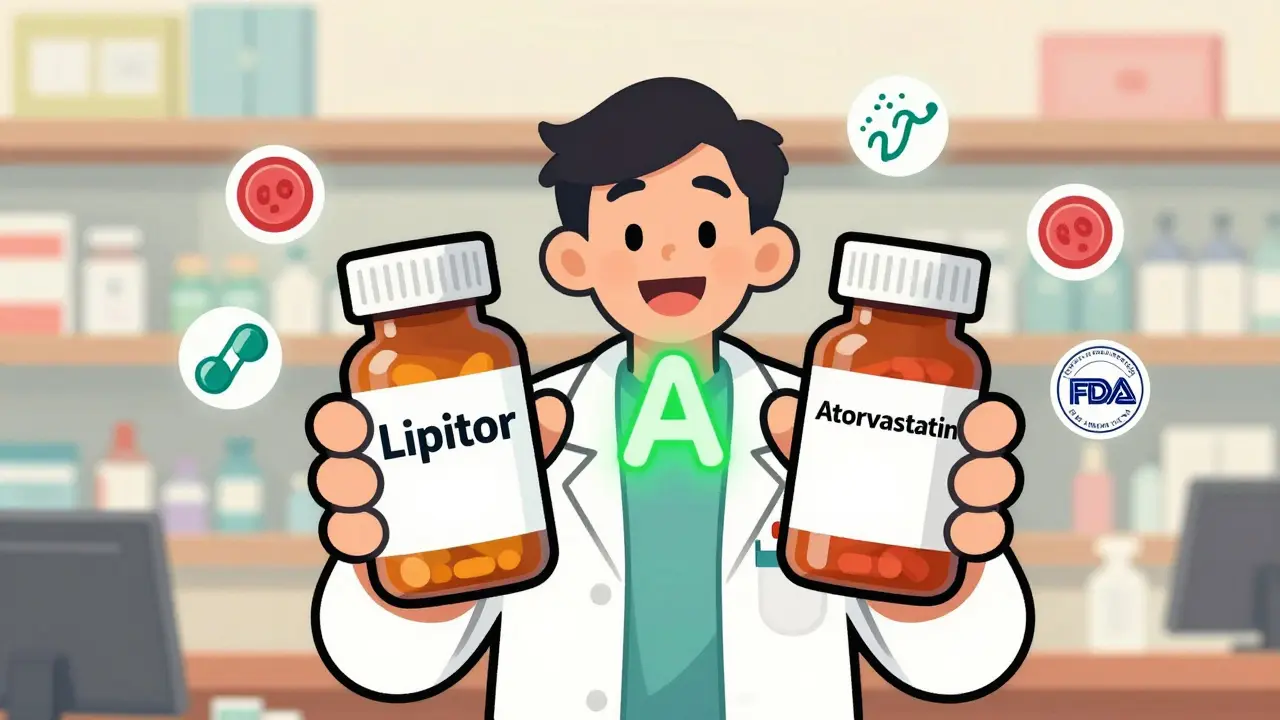
Therapeutic Equivalence Codes (TE Codes) Explained: How Generic Drugs Are Approved and Substituted
Therapeutic Equivalence Codes (TE codes) are the FDA's system for determining which generic drugs can safely replace brand-name medications. Learn how they work, why they matter for your prescriptions, and when substitutions might not be ideal.
Read More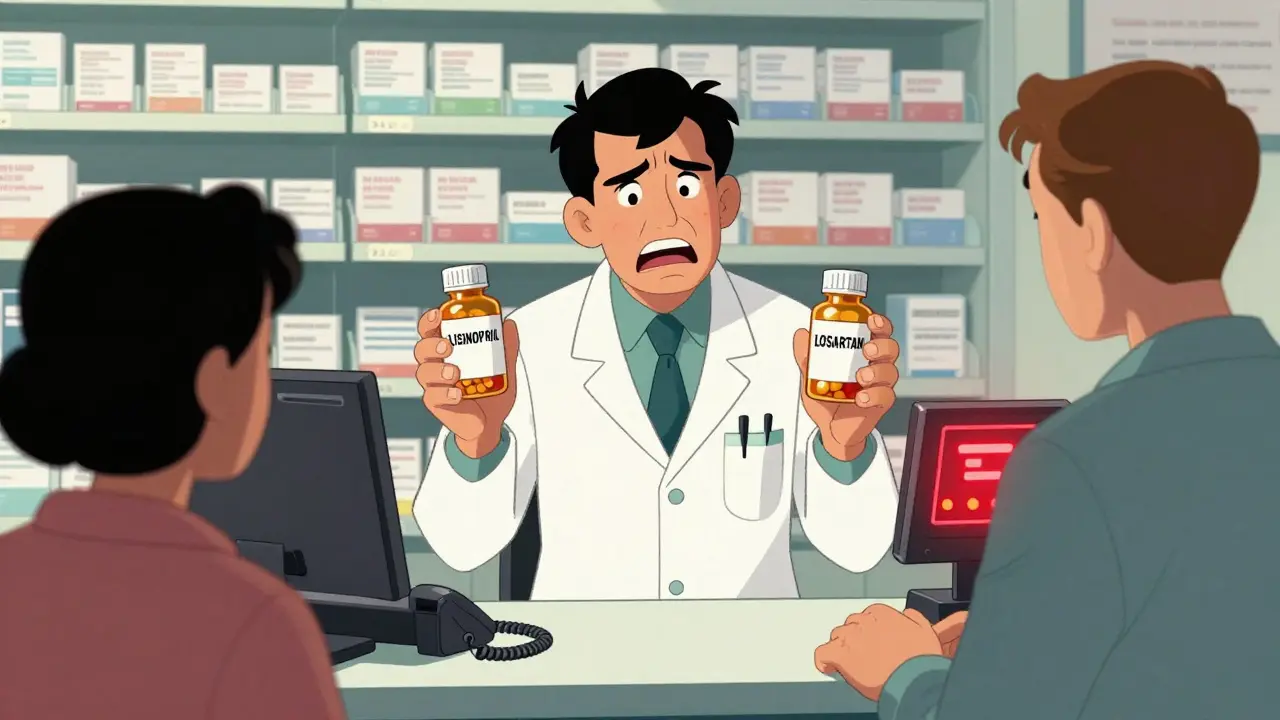
Common Pharmacy Dispensing Errors and How to Prevent Them
Discover the most common pharmacy dispensing errors, why they happen, and proven ways to prevent them. Learn how barcode scanning, double-checks, and smart systems reduce medication mistakes and protect patients.
Read More